
Last updated November 25, 2026
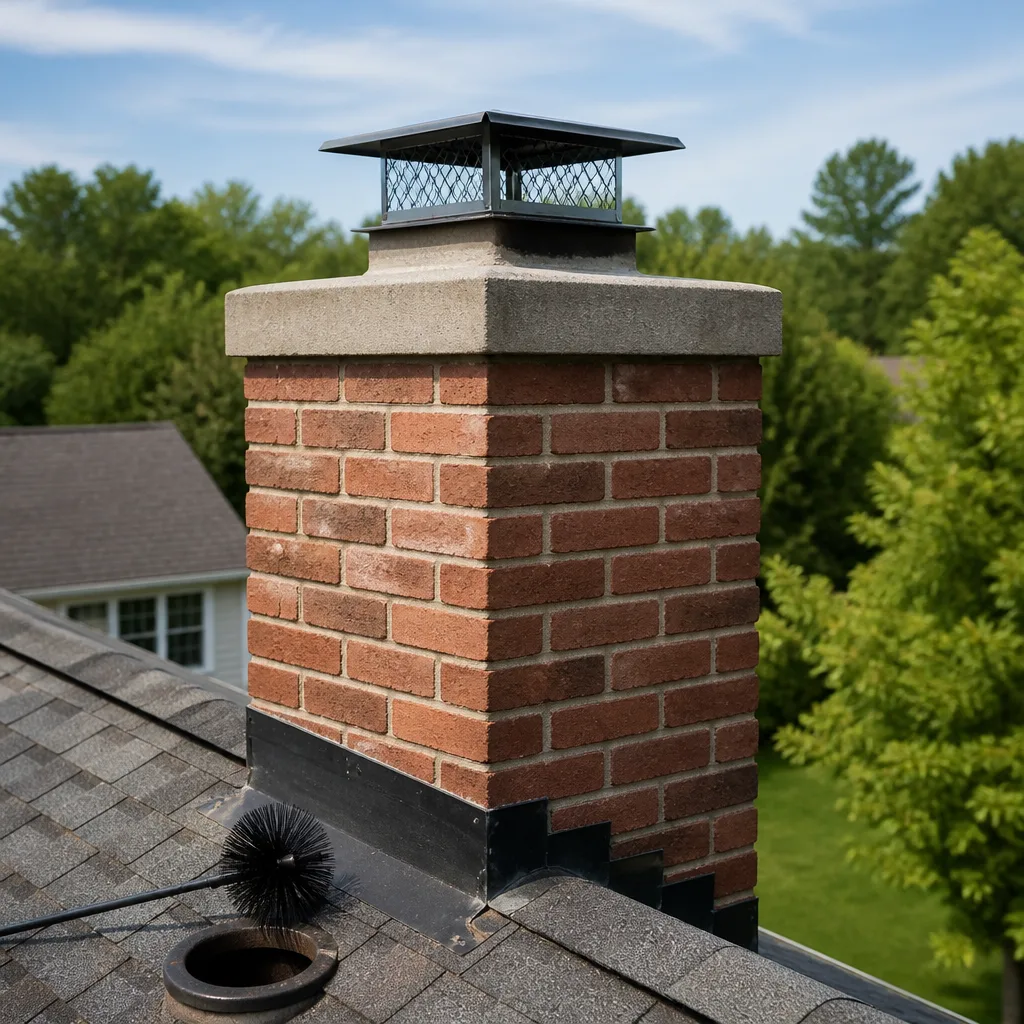 Sweep & inspection
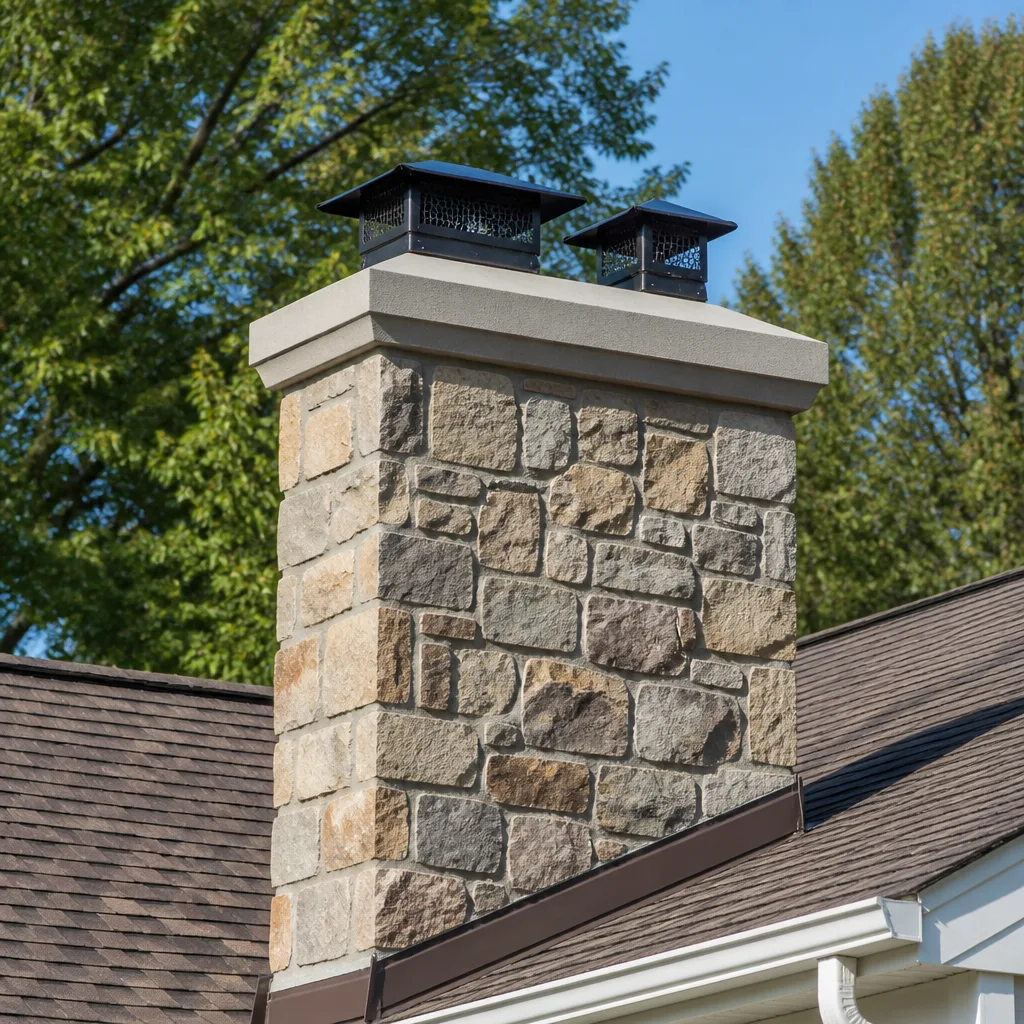 Caps & crowns
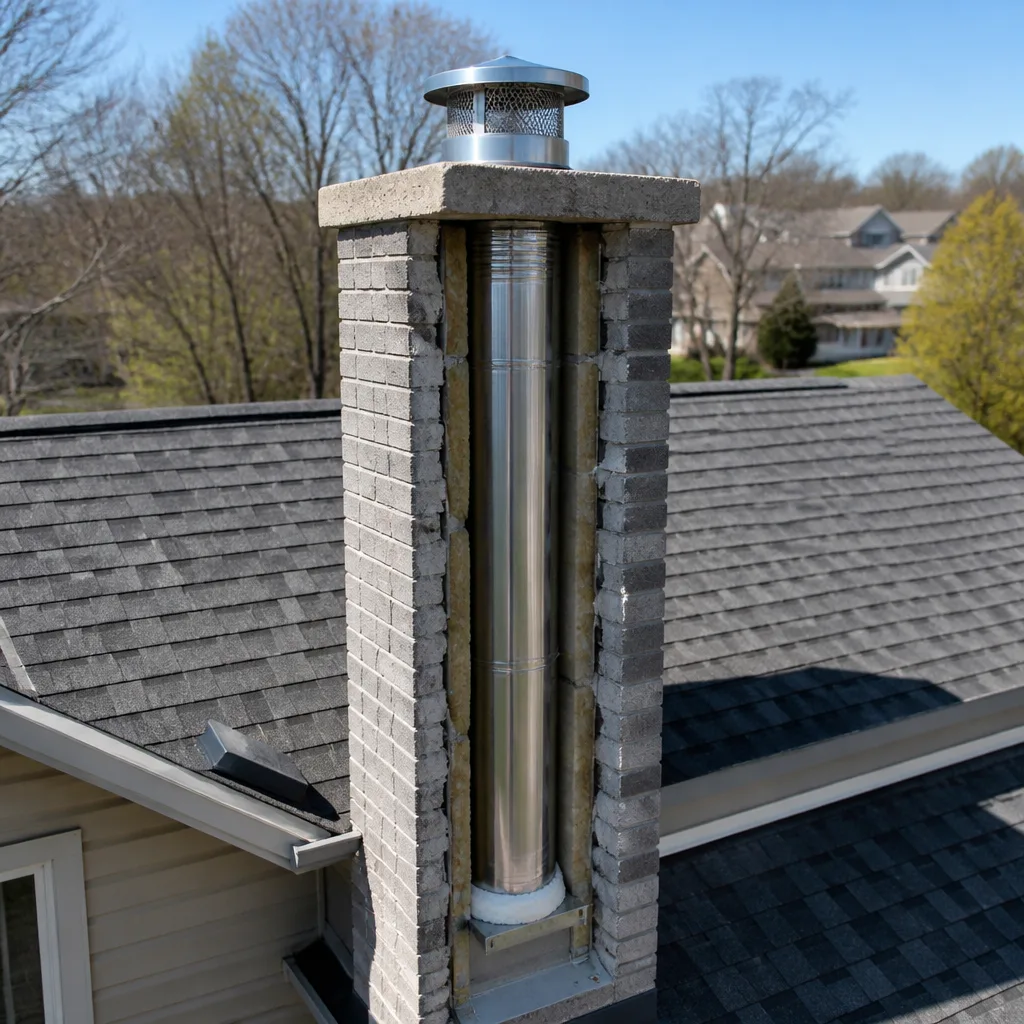 Flue relining
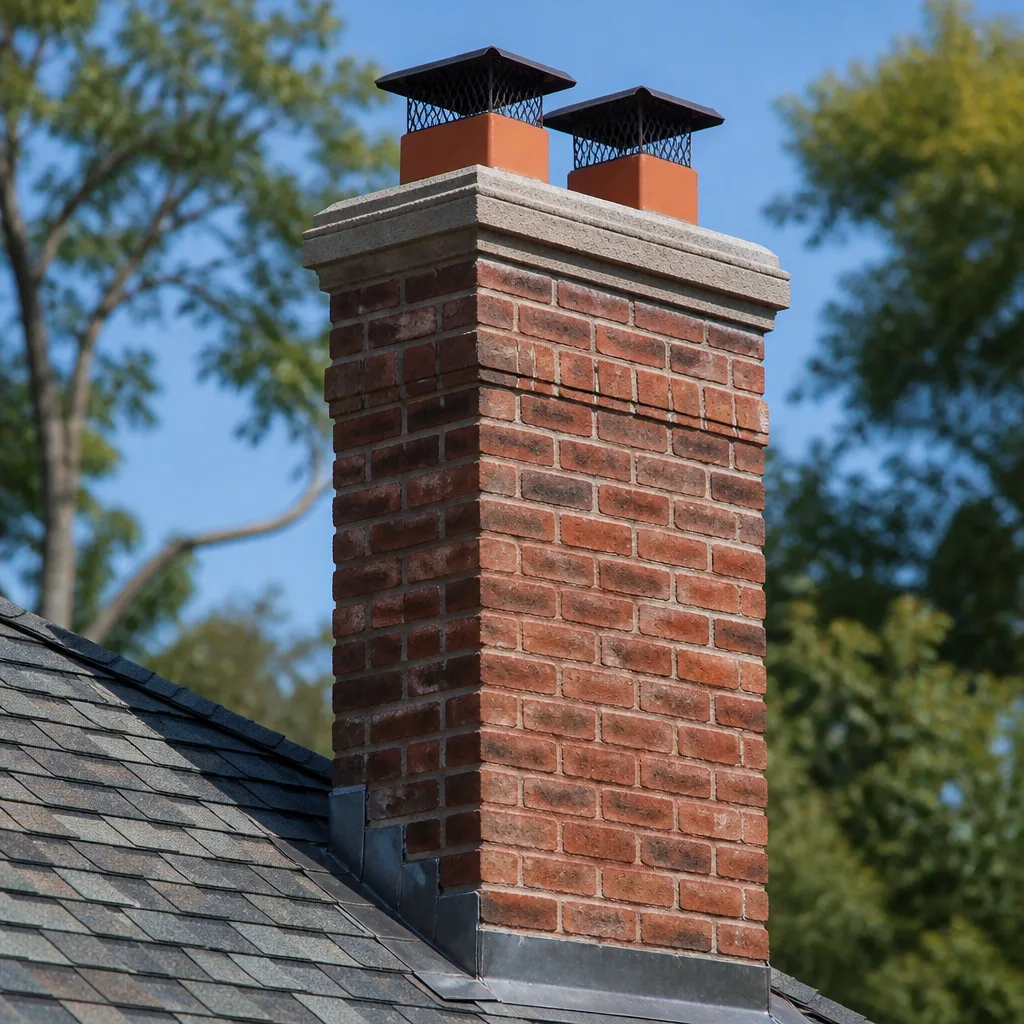 Masonry repair
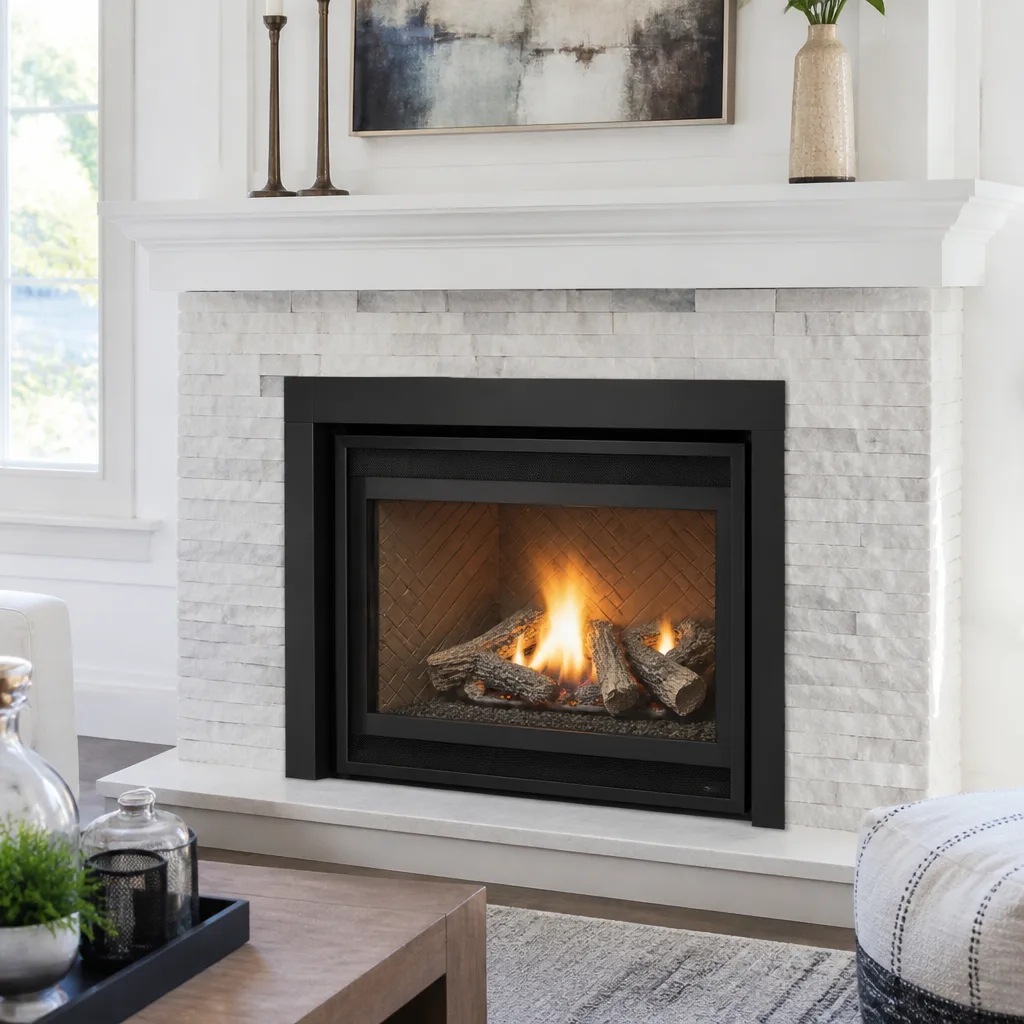 Gas fireplace service
Level 1 sweep and inspection to the NFPA 211 annual standard - flue, crown, cap, and flashing checked and photographed
Chimney sweep logs do not sweep chimneys. They loosen some creosote - which then falls where a brush and vacuum still have to collect it.
Choosing the Right Chimney Cleaning Brand: A Buyer’s Guide for West Seattle
Most homeowners in West Seattle pick a chimney company by comparing logos, review counts, and how quickly someone answers the phone. But the brand name on the invoice tells you very little about what actually happens inside your flue. The real difference between a good sweep and a bad one usually comes down to materials and equipment: whether the crew uses a professional-grade ceramic resurfacing system or a generic sealer, a stainless liner built to last decades or a commodity insert, and a rotary cleaning setup with a camera or a hand brush and a flashlight. National franchise names often stock whatever their supply agreement requires, which isn’t always what your chimney needs. This guide explains how to evaluate a chimney cleaning company by the things that actually matter, and how to read a quote with a skeptical, well-informed eye.
Quick Answer
The best chimney cleaning company in West Seattle is the one that uses professional-grade materials and equipment, is single-trade focused, and will commit its scope of work in writing. Look for specific brand names on the quote (like DuraFlex or HeatShield), a video inspection before any recommendation, and technicians trained on chimney systems rather than general maintenance. Brand recognition matters less than the materials tier and the depth of the trade focus behind the work.
Styles & brands we work with
- Sweep & inspection
- Caps & crowns
- Flue relining
- Masonry repair
- Gas fireplace service
Table of Contents
- Why Materials Matter More Than the Brand Name
- How to Judge a Company by Its Equipment List
- What “Chimney Specialist” Actually Means
- Franchise vs. Independent in West Seattle
- Reading a Work Portfolio for Red Flags
- How to Read a Chimney Cleaning Quote
- Questions to Ask Before You Book
- Common Mistakes to Avoid
Why Materials Matter More Than the Brand Name
When you call around for a chimney sweep, the first question most people ask is about price. The more useful question is about materials. A chimney system is only as good as the products installed in it, and the difference between a professional-grade product and a commodity substitute isn’t visible from the driveway. It shows up five or ten years later, when a liner cracks or a crown crumbles.
Here’s the split you need to understand.
- Liner systems: Professional-trade flexible liner brands like DuraFlex and Flexmaster are engineered for the heat cycling and acidic condensate that wood-burning and gas appliances produce. Off-brand liners may look identical in a photo but often cut corners on the alloy and the wall thickness. Those shortcuts are what cause premature failure.
- Crown sealers and resurfacing compounds: HeatShield is a proprietary ceramic resurfacing system applied to a deteriorating flue to restore it from the inside. CrownCoat and ChimneySaver are sealers formulated for masonry crowns that flex with the structure instead of cracking off in the first freeze. A hardware-store mortar patch is not the same product.
- Caps and covers: Gelco and Famco are brands specified by chimney professionals for durability and fit, not for price-point. A cheap galvanized cap from a big-box store rusts through and lets water and animals into the flue within a few years.
- Brushes and rods: Polypropylene brushes matched to flue size, not universal brushes that either don’t contact the walls or damage them.
When you get a quote, ask for the brand name of the liner, cap, or sealer being proposed. A company that can’t name the product is either using a commodity substitute or hasn’t thought it through. A company that tells you it’s specifying DuraFlex for a reline or HeatShield for ceramic flue resurfacing is telling you something specific about its supply chain. That specificity is a signal of professional focus.
How to Judge a Company by Its Equipment List
The equipment list is one of the most honest signals a chimney company gives off. It costs real money to own the gear, and a company that has invested in it will tell you about it because it’s proud of it. A company that sweeps with a hand brush and confirms problems with a flashlight is telling you something too.
Here’s what a fully equipped chimney specialist actually carries.
- A rotary cleaning system: A powered whip or chain head on a flexible rod that scrubs the full circumference of the flue. It’s how you clean heavy creosote and glaze-off buildup, not just surface dust. A hand brush alone can leave dangerous deposits behind.
- A video inspection camera: A camera on a rod that records the inside of the flue from the firebox to the top of the stack. This is how you confirm a crack, a gap, or a separated flue tile. No camera, no way to prove a defect. Every recommendation should come with photos the homeowner can see.
- Combustion analysis equipment: For gas appliances and wood stoves, a combustion analyzer checks that the appliance is venting properly and drafting correctly. It’s how a technician confirms a carbon monoxide risk instead of guessing.
- Specialty repair tools: Rotary resurfacing equipment for HeatShield application, crown-forming tools, and masonry saws for structural chimney repair.
- Drop cloths and HEPA vacuums: The unglamorous gear that makes sure no soot ends up on your furniture or floor. Ask about it, because it’s the difference between a clean job and an afternoon of scrubbing.
Equipment investment also tells you something about what a company can actually execute. If the quote includes a liner replacement but the crew doesn’t list the rotary cleaning gear to prep the flue before installing it, ask how they plan to prepare the surface. Surface prep is a real technical step, not a line item invented by marketers. In our experience, the companies that skip it are the ones whose liners fail early.
What “Chimney Specialist” Actually Means
A chimney specialist is a company whose only work is chimney systems: sweep, inspection, repair, cap and crown, liner work. That’s a narrower definition than most businesses use, and the operational difference is significant.
A general handyman who adds chimney work to a menu of fifty tasks has to reinvent the wheel every time something unusual comes up. A dedicated chimney company knows the shape of a firebox, the way a crown sheds water, the typical draft problem in a 1950s brick ranch, and the specific failure modes of a wood stove installed in a 1970s remodel. The knowledge accumulates across hundreds of jobs instead of getting buried under plumbing calls and roofing estimates.
Here’s how to tell a specialist from a generalist.
- Scope of work they’ll commit to in writing: A specialist can quote a sweep, an inspection, a fireplace repair, a chimney cap & crown replacement, and a liner replacement in one visit, and handle the follow-up work themselves. A generalist will quote the sweep and refer the rest.
- Training path: Chimney work has its own technical training: CSIA credentials for sweeps, NFI certification for gas and wood appliance work, and manufacturer certification for specific products like HeatShield. Ask who on the crew holds which credential, not just the company.
- Equipment depth: Specialists own the camera, the rotary cleaner, and the resurfacing gear. Generalists rent them.
- The five service categories: A real specialist covers both prevention (sweep, inspection) and correction (repair, cap and crown, relining) under one roof. If the company only does cleaning and inspections, that tells you the follow-up scope is outsourced.
The full lifecycle of a chimney is what matters here. From the firebox to the crown, the whole system works together, and problems rarely stay isolated to one part. A specialist sees the whole picture because the whole system falls under its own trade. That’s the practical meaning of “one specialist, the whole chimney.”
Our technicians have up to 14 years of experience, which means the crew has worked on enough West Seattle homes to recognize the failure patterns that show up here but might not show up in a drier climate. That depth of experience is what you’re buying when you hire a specialist, whether you’re in Fauntleroy, Westwood, or anywhere in between.
Franchise vs. Independent in West Seattle
National franchise names carry weight with a lot of homeowners. That’s not wrong on its face, but franchise recognition and local quality aren’t the same thing, and pulling them apart is the difference between a good chimney experience and a frustrating one.
What a national franchise buys you:
- Brand name recognition that feels reassuring
- Standardized processes and scripts
- A phone number you’ve probably seen before
What a local specialist with deep regional knowledge buys you:
- Materials chosen for what your chimney actually needs, not for what a supply agreement requires
- Direct accountability: the person who quoted the work is reachable when the work is done
- Familiarity with West Seattle’s hillside homes, older brick construction, and the humidity swings that drive masonry wear
- A team whose only focus is chimneys, so every conversation stays technical instead of drifting into unrelated trades
West Seattle homes come in a distinctive range. There’s a lot of older brick work from the mid-century buildout, a lot of mid-century ranch and split-level construction with original fireplaces, and a lot of older stock that’s been remodeled and re-vented. Each of those has its own chimney quirks. A franchise that pulls its playbook from a national program will still cover the basics, but it’s less likely to flag the specific water entry point on a hillside crown or the odd draft complaint that shows up in a 1960s split-level. A local specialist who’s spent years in West Seattle sees those patterns on a weekly rhythm.
None of this means every franchise is bad, or every local company is good. It means brand recognition is the wrong decision variable. Materials, equipment, and trade focus are the right ones, and those are visible on the quote, the equipment list, and the technician’s credentials.
Reading a Work Portfolio for Red Flags
A work portfolio is where a lot of chimney companies reveal whether they’re actually doing the work they say they do. You don’t need to be a chimney expert to spot the warning signs. You just need to know what to look for.
Here are the red flags.
- Vague before/after photos. Real chimney work photos show the inside of the flue, the crown surface, or the liner installation in progress. If the photos are all exterior shots from 30 feet away, or composed with no clear detail, ask for better documentation. If a company can’t produce it, that’s a meaningful gap.
- No liner brand specificity. A quote that says “liner replacement” without naming the brand is missing the most important detail. A quote that says DuraFlex is telling you it sources professional-grade materials. The brand name is not a marketing flourish; it’s the difference between a product engineered for the application and one that just looks similar.
- No mention of CSIA or NFI credentials. These are the baseline professional credentials for chimney sweeps and appliance technicians. Ask who on the crew holds them and which credential. “Our technicians are certified” is not the same answer.
- No video inspection records. A professional company has video of the flue, not just a verbal recommendation. If the inspection report is a one-page checklist with no photos, ask for the video.
- Resurfacing capability missing. A company that can only offer a full reline when a liner is deteriorating is leaving a repair option on the table. HeatShield ceramic flue resurfacing can restore a deteriorated flue without a full reline, and it’s a capability most generalists don’t have. The philosophy is “restore, don’t just replace,” and a portfolio that never shows resurfacing work is telling you something.
- No cap or crown work in the portfolio. Caps and crowns are the number one defense against water damage in this climate. A company that does sweeps but not caps and crowns can’t close the loop on water-related repairs.
One more check worth doing: ask for a written scope of work. A portfolio shows finished work, but the scope document shows how a company thinks. If the scope lists the specific product brands, the surface prep steps, and the inspection evidence, you’re looking at a company that plans its work with real materials in mind.
How to Read a Chimney Cleaning Quote
A chimney cleaning quote is one of the few documents where the difference between a professional and an amateur is visible on paper. Reading it critically is the best way to protect your home and your wallet.
Here’s what to check, line by line.
- Sweep scope: Does the quote name the type of sweep (rotary or hand) and the flue size being cleaned? Does it include a camera inspection as part of the sweep, or is the inspection a separate line item? Both are fine; ambiguity isn’t.
- Inspection documentation: Does the inspection line include a photo or video report? If the answer is “photos on request,” that’s a soft flag. If the answer is “no camera,” that’s a hard one.
- Repair materials: If a repair is quoted, the quote should name the product. A crown reseal should name the sealer. A liner replacement should name the liner brand. A ceramic resurfacing should name the system. Ask for the brand if it’s missing, and check that the answer is a professional-trade product, not a generic “chimney-safe” sealer.
- Cap and crown work: If cap or crown work is on the quote, does it specify the brand? Gelco and Famco are the brand names to look for. If the cap is “standard steel cap,” upgrade the question: what’s the gauge, what’s the finish, and who makes it.
- Scope boundaries: Does the quote say what the company will not do? A professional quote sets boundaries so you’re not surprised mid-job. If the quote says nothing about post-sweep inspection findings being documented, ask.
- Pricing structure: A real estimate is written and per-job. It’s not a phone quote, and it’s not a number that changes on the day. Ask for the written estimate before any work begins.
One last item: ask whether the quote includes the camera inspection and a photo report as standard, or as an add-on. If it’s standard, the company is treating evidence as part of the job. That’s the posture you want.
Questions to Ask Before You Book
These questions separate specialists from generalists faster than any review scroll. Bring them to the first phone call, and listen for specifics.
- What brand of liner do you install? A good answer names a professional-trade brand like DuraFlex or Flexmaster. A vague answer is a signal.
- Do you have rotary cleaning equipment? If yes, ask which one. If no, that limits how thoroughly the flue can be cleaned.
- Do you do video inspection before recommending repair? A “yes” here means the recommendation will be backed by evidence you can see.
- Can you apply HeatShield? If yes, you have a restore option that avoids a full reline. If no, ask what happens when a flue liner is deteriorating but not failing entirely.
- Which credentials do your technicians carry? CSIA and NFI are the baseline. Ask who on the crew holds which.
- Do you handle cap and crown work in-house? If yes, you have one company for the full system. If no, ask who does it, and whether that second company documents the work.
- What does the written estimate include? Get the scope, the materials, and the photos in writing before work begins.
Each of these questions maps to something real. The brand questions map to the material tier. The equipment questions map to the actual capability. The credentials question maps to the training path. The cap and crown question maps to the full-picture scope. And the written estimate question maps to accountability, which is the thing you’ll actually lean on when the work is done.
We keep the answers to these questions specific because they matter. From the firebox to the crown, the materials are the work. And “we inspect before we recommend” isn’t a slogan; it’s the process that has to happen before any real chimney recommendation.
Common Mistakes to Avoid
- Choosing on price and logo alone. A low quote and a familiar name feel safe, but neither tells you what’s going into your flue. The material and equipment tier is what actually protects your home.
- Accepting a repair recommendation with no camera evidence. If the inspector didn’t show you the inside of the flue on video, you have no way to verify the recommendation. Ask to see the footage.
- Missing the West Seattle water entry problem. West Seattle’s hills often put homes several feet below the ridge line of adjacent properties, which changes wind load on the crown and drives rain into caps that aren’t properly sized. A chimney company that doesn’t inspect the crown and cap carefully is likely to miss this.
- Skipping the annual inspection because the sweep looked clean. A sweep and an inspection aren’t the same thing. A sweep cleans the flue. An inspection verifies the liner, the crown, the cap, and the appliance venting. The inspection is what catches the problems the sweep can’t fix.
- Hiring a generalist handyman to install a liner. Liner installation has specific prep requirements and specific product requirements. A generalist may skip both, and the failure shows up years later when the liner cracks.
- Not asking who actually does the follow-up work. If the sweep company doesn’t install caps, crowns, or liners, you’ll need a second company. That’s a second inspection, a second quote, and a second guess about scope. One specialist covers the whole system.
- Assuming brand recognition equals expertise. A national brand’s crews work from a standardized playbook. That’s fine for a routine sweep, but it doesn’t guarantee the kind of chimney-specific judgment your home needs.
When to Call a Professional
You need a professional if you smell smoke inside the house when the fireplace is burning, if you see water stains on the ceiling near the chimney, if the firebox or flue liner shows cracks or missing pieces of masonry, or if it’s been more than a year since the last inspection. Gas appliance venting problems and any sign of carbon monoxide are urgent. A deteriorated crown or a cap that’s shifted out of position is a water-damage risk that gets worse with every rain. And a flue with heavy creosote buildup is a genuine fire risk that a sweep can address and a camera inspection can confirm.
Chimney Sweep West Seattle offers free estimates in West Seattle – call (877) 447-9894. We answer 24/7. Fast dispatch from 7am to 7pm, Sunday through Friday.
See the difference
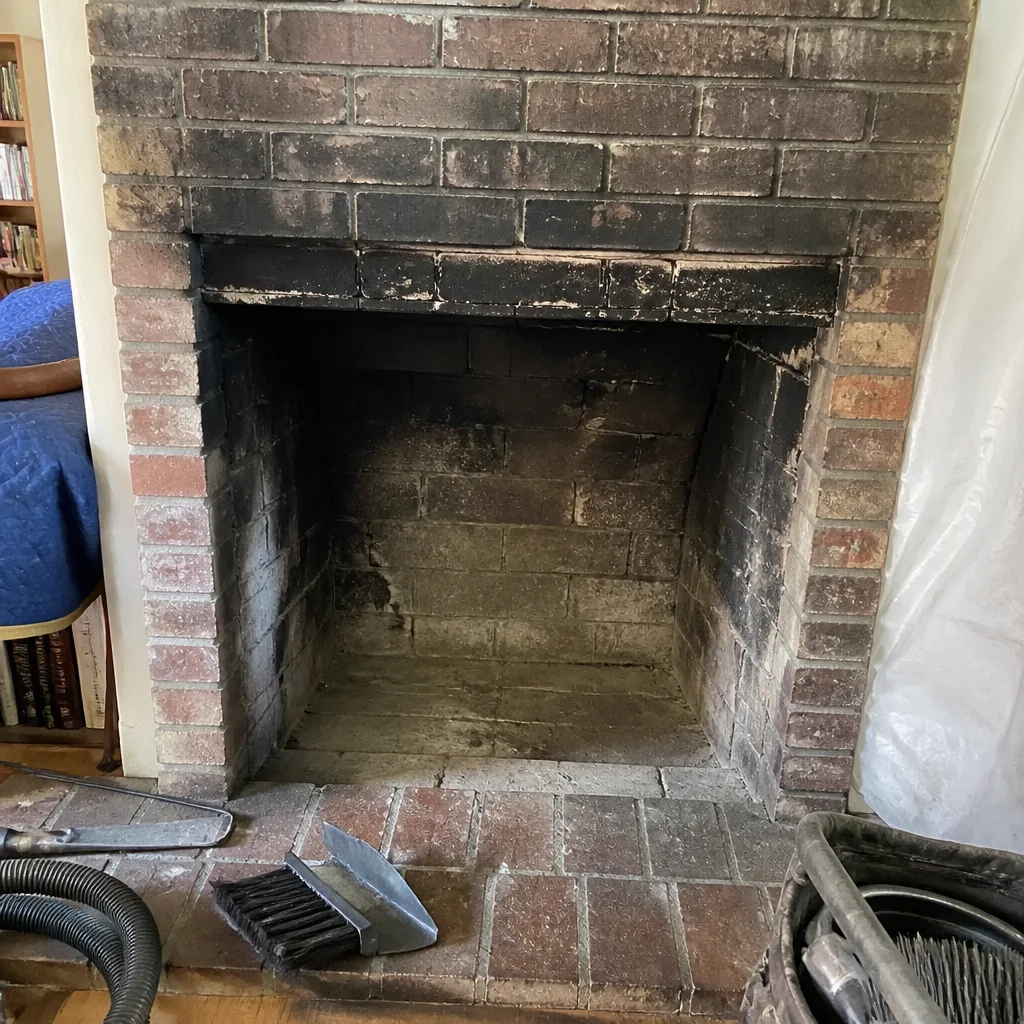 Before
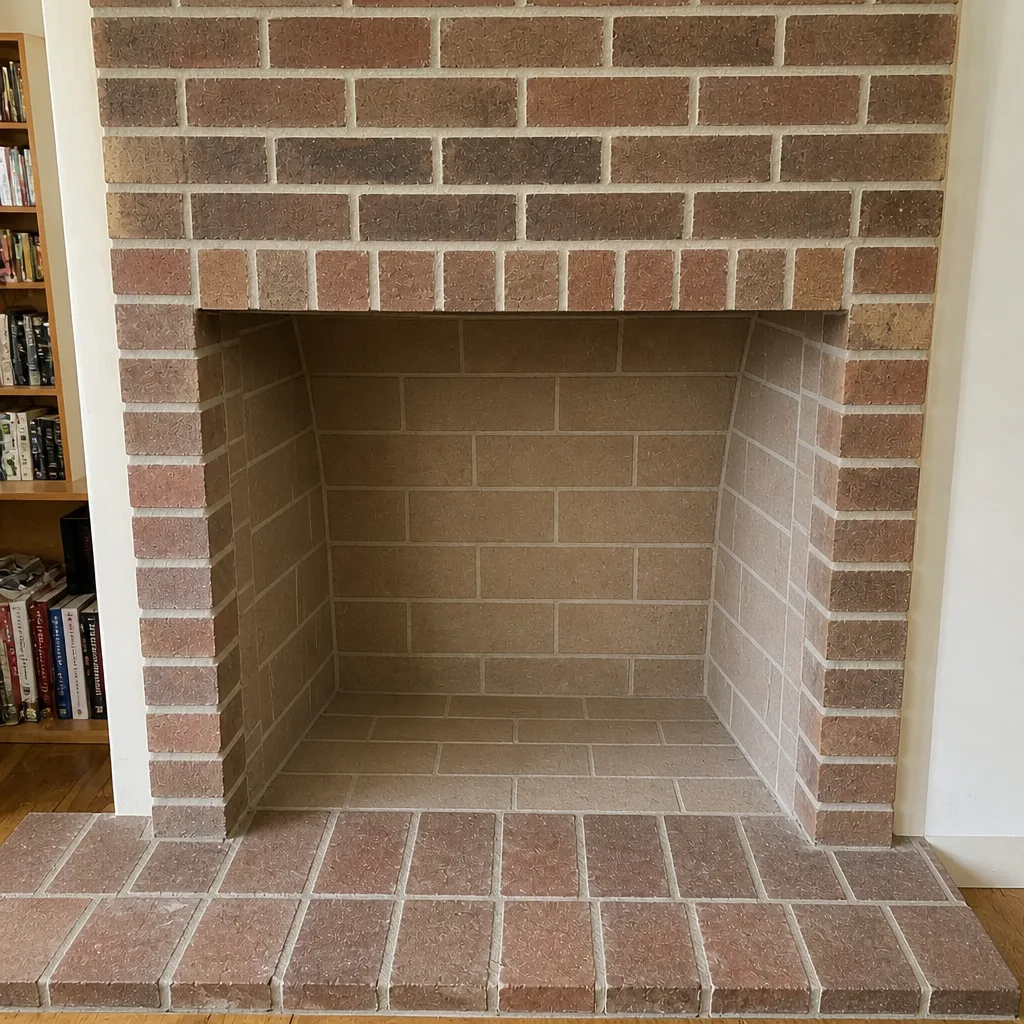 After
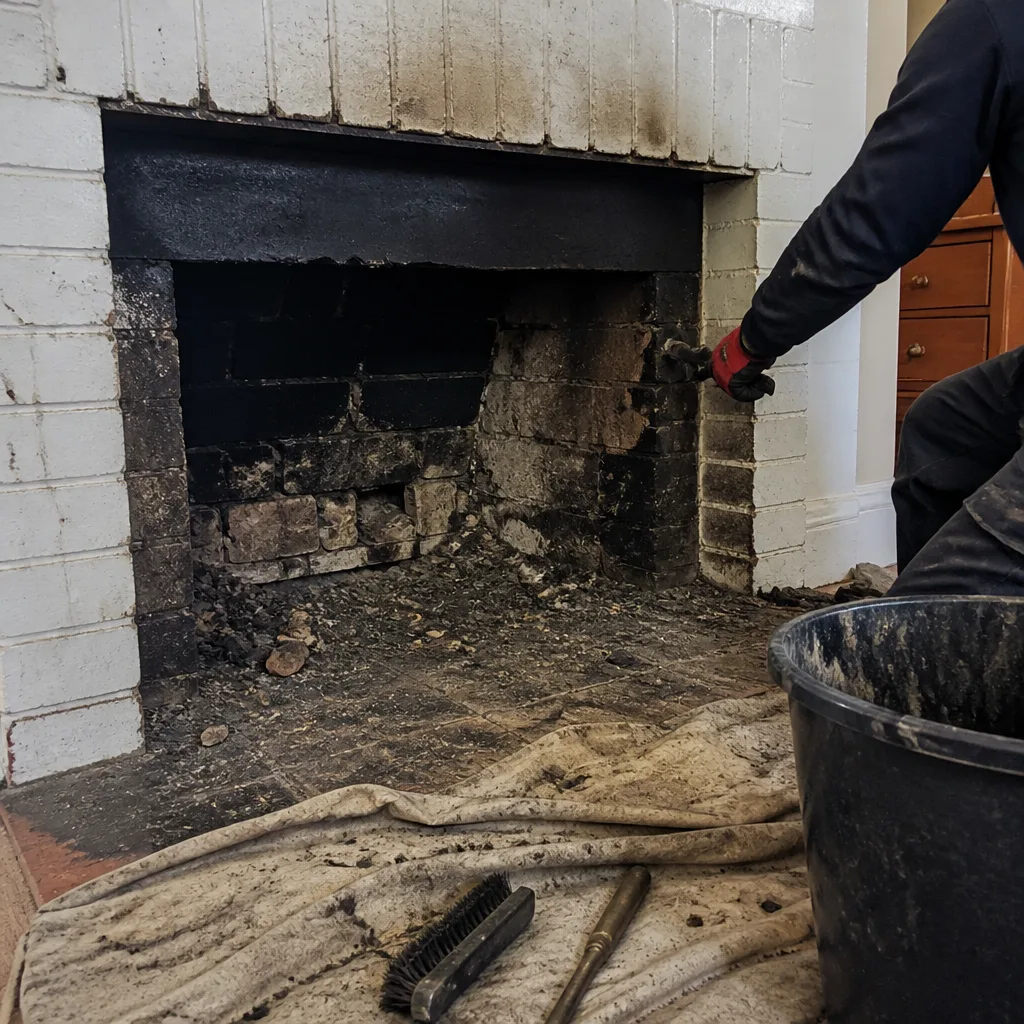 Before
 After
 Before
 After
Frequently Asked Questions
Sweeping costs vary by flue size, appliance type, and whether an inspection is included. Because every job is different, we don’t quote a phone price; we visit, inspect, and give a written estimate per job before any work begins. Prices are estimates until the written estimate sets the final number. Call (877) 447-9894 for an exact quote – estimates are free.
Not always. A liner has to be replaced when it’s cracked, separated, or no longer rated for the appliance, but a deteriorating flue sometimes can be restored with ceramic resurfacing instead of being replaced. Nothing should be recommended without camera evidence you can see for yourself. If your liner is intact, wait. If it’s compromised, we’ll show you. Call (877) 447-9894 for an exact quote – estimates are free.
Once a year for most wood-burning fireplaces, and once a year for gas appliances as well, because gas produces its own condensate and venting issues. Homes that burn frequently or burn green wood may need more frequent sweeps. The annual inspection is what determines the right schedule for your specific flue. Call (877) 447-9894 for an exact quote – estimates are free.
Creosote accumulates and becomes a fire risk, and the crown and cap deteriorate slowly enough that you may not notice until water is already inside the wall. Carbon monoxide risk from a compromised vent is the quietest concern of the three. Skipping a sweep doesn’t save the money; it moves the cost into the repair category. Call (877) 447-9894 for an exact quote – estimates are free.
Yes. HeatShield is a proprietary ceramic resurfacing system we apply to restore a deteriorating flue liner without the cost of a full reline. It’s the capability that separates a restore-first painter from a replace-only one. Ask whether your specific flue is a candidate; the answer depends on the inspection. Call (877) 447-9894 for an exact quote – estimates are free.
We source from professional-grade chimney supply brands, including DuraFlex for flexible liner systems and Copperfield and Olympia Chimney for professional parts distribution. We install Gelco and Famco caps and covers. These are the materials certified chimney professionals across the country rely on. Call (877) 447-9894 for an exact quote – estimates are free.
The Bottom Line
The right chimney cleaning company in West Seattle is the one whose materials and equipment you can verify, whose technicians carry real credentials, and whose scope of work covers the whole system. Brand recognition is a small signal compared to the liner brand on the quote, the camera in the inspection, and the rotary cleaner on the truck. Ask specific questions, read the quote line by line, and let the materials do the talking. Chimney Sweep West Seattle connects you with independent local professionals who do the work, and we’re glad to walk you through a free estimate. Call (877) 447-9894. We answer 24/7. Fast dispatch from 7am to 7pm, Sunday through Friday.
Related Reading
- Chimney Sweep West Seattle – full-service chimney work across prevention and correction.
- chimney sweep – what a proper sweep involves and why equipment matters.
- fireplace repair – when a firebox problem needs a specialist, not a patch.
- chimney cap & crown – how caps and crowns protect against water damage in West Seattle.
Written by the team at Chimney Sweep West Seattle.