
Last updated November 25, 2026
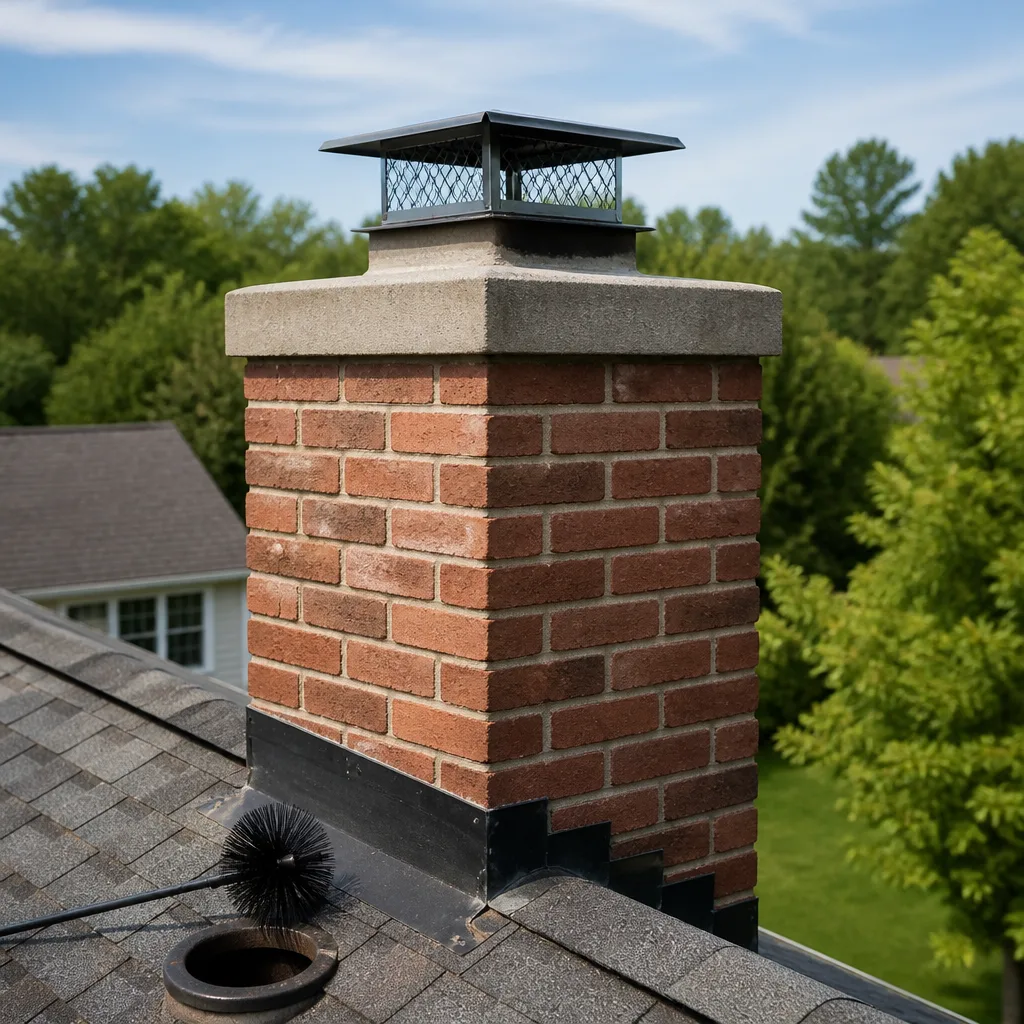 Sweep & inspection
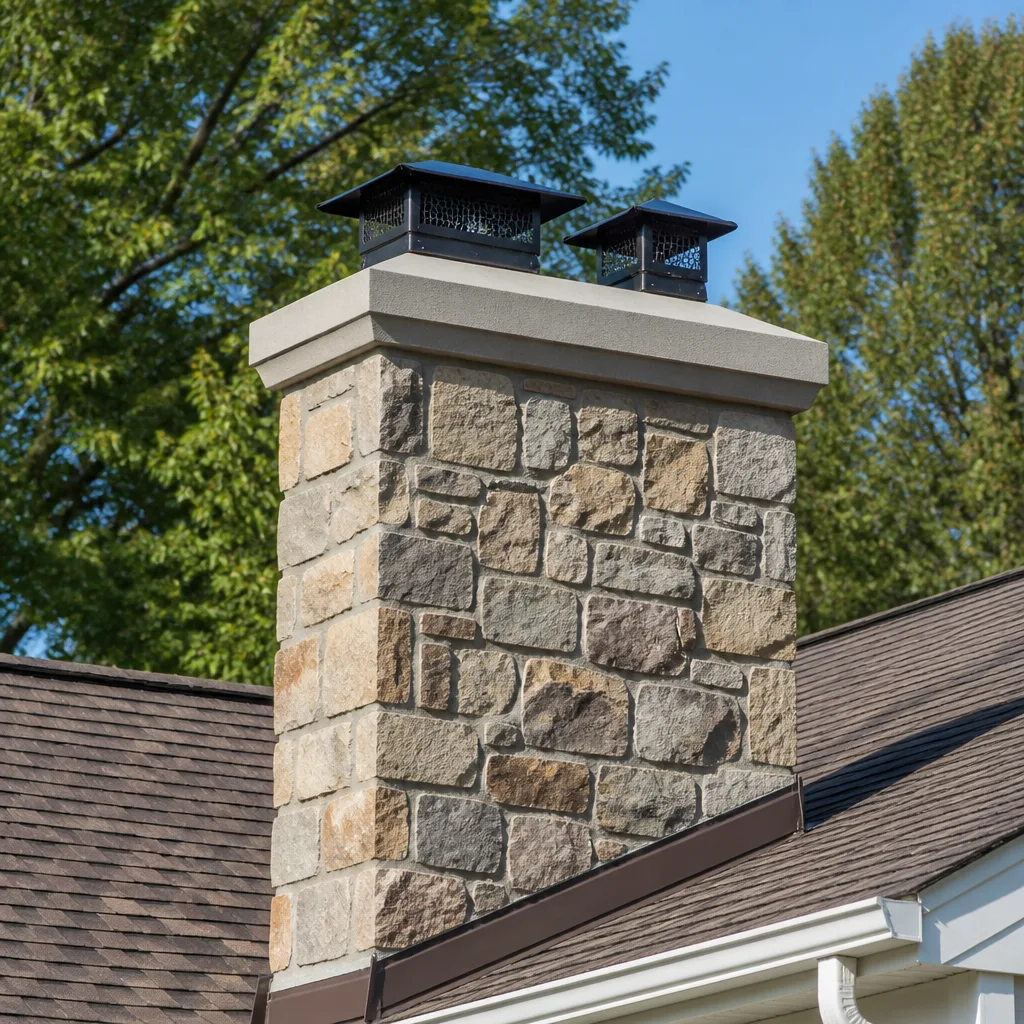 Caps & crowns
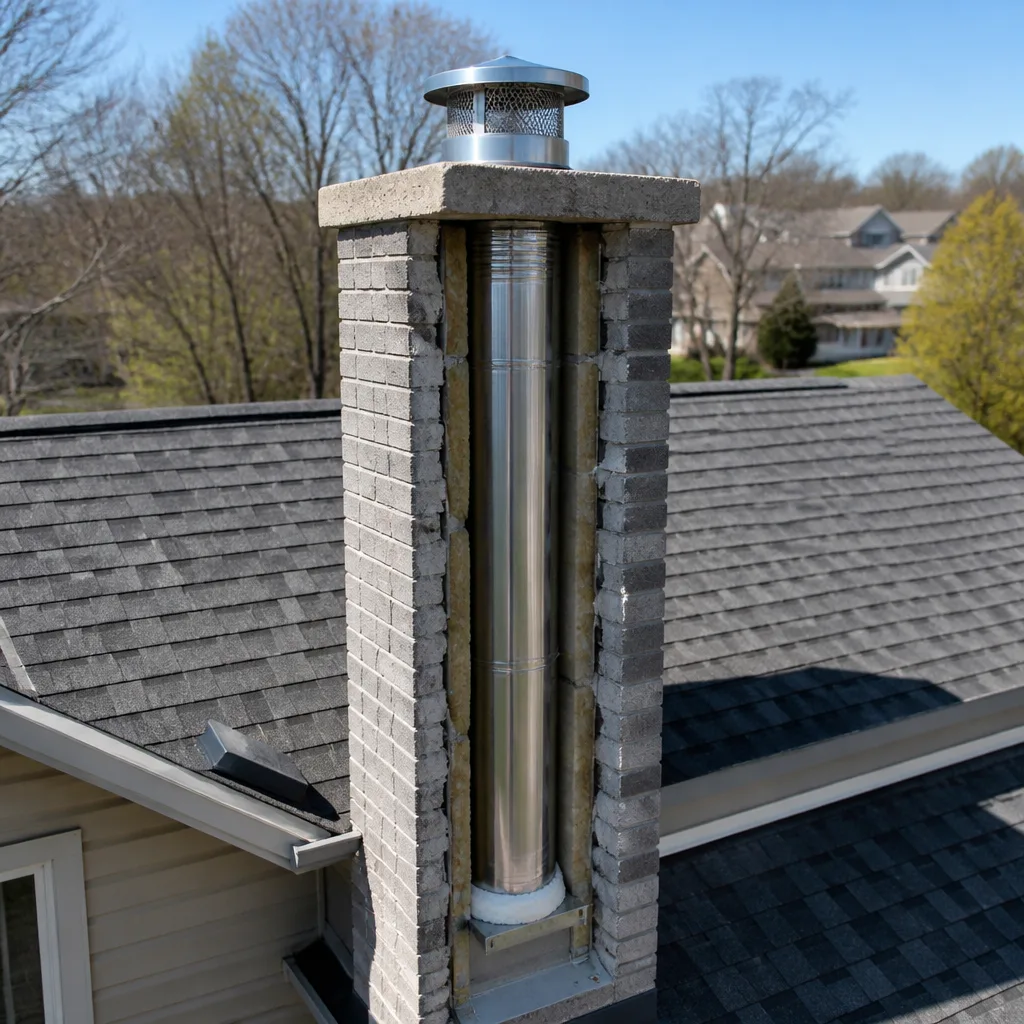 Flue relining
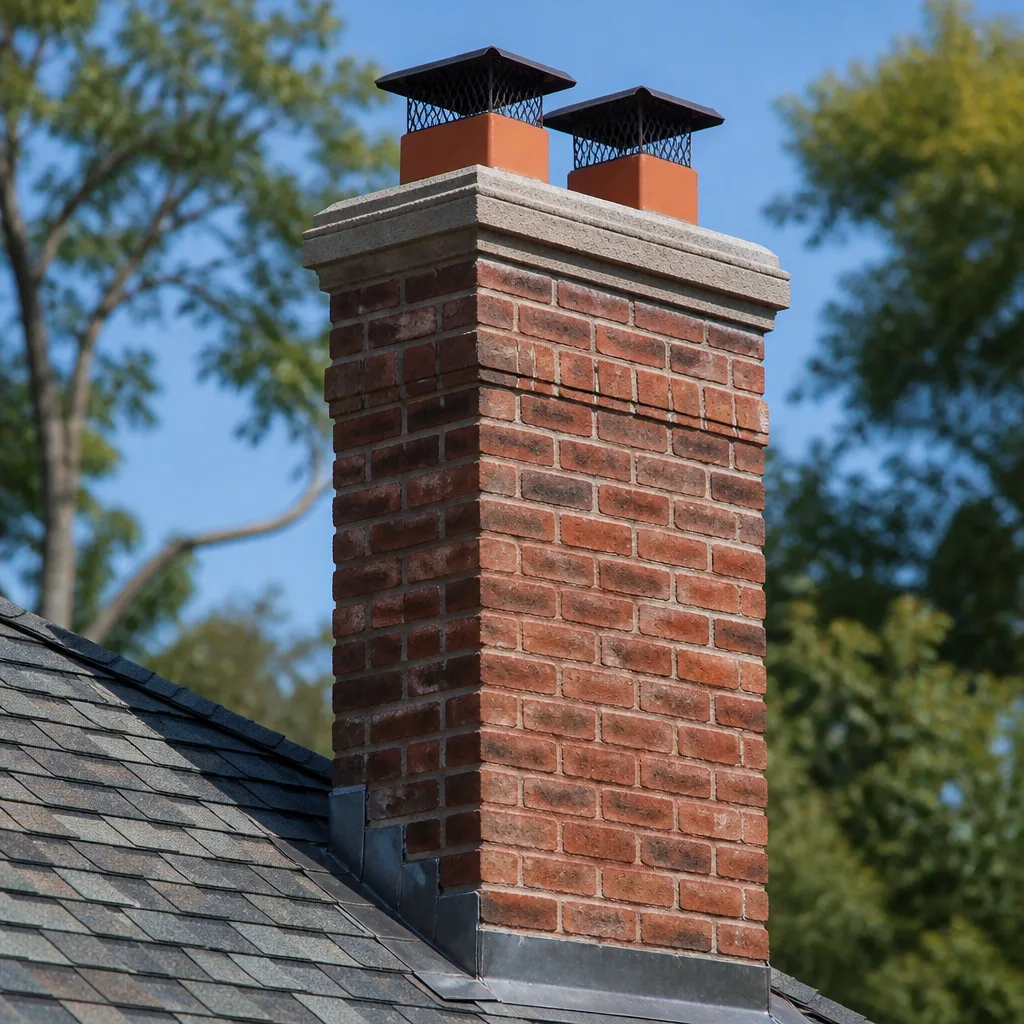 Masonry repair
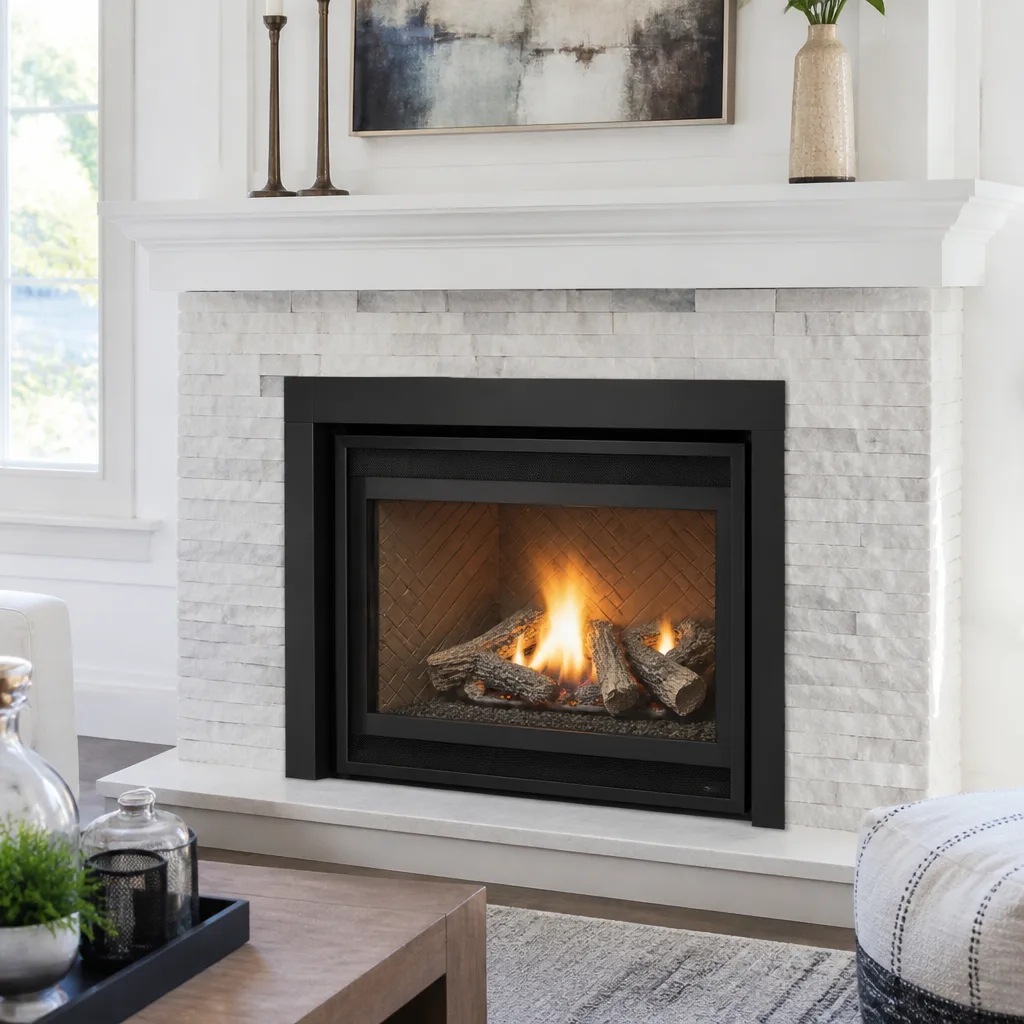 Gas fireplace service
Level 1 sweep and inspection to the NFPA 211 annual standard - flue, crown, cap, and flashing checked and photographed
Chimney sweep logs do not sweep chimneys. They loosen some creosote - which then falls where a brush and vacuum still have to collect it.
How to Hire a Chimney Cleaning Contractor in West Seattle: A Step-by-Step Guide
Most homeowners vet a chimney contractor the same way they’d hire a house painter: compare a few prices, skim the reviews, book the cheapest one who answers. That approach is a real problem with chimneys. Chimney work has its own credentialing, its own liability questions, and a scope of work where “we’ll take a look and let you know” can quietly turn into thousands of dollars of masonry you have no way to verify. In this guide we’ll walk through what CSIA certification actually means, the five questions that reveal whether you’re talking to a chimney specialist or a handyman who owns a brush, what a real written estimate contains, and how to structure the job so you keep the documentation no matter who does the repairs. If you live in West Seattle, the geography and housing stock here make a few of these points matter even more.
Quick Answer
To hire a chimney cleaning contractor in West Seattle, confirm the company’s CSIA certification, ask for a written report and camera footage as part of the sweep, and require a written estimate that names materials and brand names before any repair is approved. The right contractor inspects before recommending, shows you evidence you can see yourself, and tells you plainly when work can safely wait. Price matters, but it’s the last filter, not the first.
Styles & brands we work with
- Sweep & inspection
- Caps & crowns
- Flue relining
- Masonry repair
- Gas fireplace service
Table of Contents
- What CSIA certification actually means and how to verify it
- The five questions to ask before you book
- What a legitimate written estimate includes
- How to structure the job so you own the documentation
- Red flags specific to chimney work
- Chimney specialist or general handyman: how to tell
- West Seattle-specific considerations
- When repairs can safely wait and when they can’t
What CSIA Certification Actually Means and How to Verify It
A chimney sweep who can’t tell you their CSIA certification number off the top of their head probably doesn’t have one. In Washington State, that certification is the clearest third-party standard separating a trained chimney technician from someone who bought a brush kit and a ladder. The Chimney Safety Institute of America is a nonprofit credentialing body, and its certification is not a one-time plaque. It requires passing a proctored exam, signing a code of ethics, and renewing on a set cycle that includes continuing education. When a technician lets it lapse, the certification is gone. That cycle is what makes it meaningful: it isn’t a sticker you buy once.
Verification is straightforward, and you should do it before anyone touches your flue.
- Ask the person who answers the phone, and then ask the technician on arrival. The number should come without hesitation.
- Check the CSIA’s online directory of certified professionals yourself. This takes about a minute.
- Match the name on the certification to the company you’re actually hiring. A certified technician at a parent company isn’t the same as a certified technician at the company sending the truck.
- Ask whether the technician doing the actual sweep is the certified one. Certification attaches to a person, not a logo on a van.
Here in West Seattle, where older homes with original masonry fireplaces are common, that distinction matters more, not less. An older flue has a higher chance of hidden issues that a trained eye catches and an untrained one doesn’t. If a company can’t produce a certification number, that’s not a reason to negotiate. It’s a reason to keep calling.
The Five Questions to Ask Before You Book
These five questions separate a true chimney specialist from a general handyman add-on service faster than any review you’ll read. Ask them on the phone. How the person answers tells you as much as the answer itself.
- What does the sweep include, and will I get a written report? A specialist walks you through the process, mentions a camera inspection, and confirms you’ll receive documentation. A generalist says “we clean it out and check it” and leaves it there.
- Do you run a camera through the flue? A proper sweep includes a visual inspection, and for any home where a liner is in question, a camera inspection with a photo or video report. If the answer is “not usually,” you’ve learned what you needed to know.
- What brands and materials do you use for repairs and relining? A specialist answers with specifics: DuraFlex flexible liner systems, HeatShield ceramic flue resurfacing, Famco or Copperfield caps and components. A generalist says “whatever’s at the hardware store.”
- Can you show me the footage before you recommend any repair? The answer should be an immediate yes. A company that won’t show you the evidence is asking you to trust a number you can’t check.
- What’s the full scope of what you do? A specialist covers the whole system from the firebox to the crown: sweeping, inspection, fireplace repair, structural chimney repair, and chimney cap & crown work. If they hand off liner work or masonry to a “partner,” you’re about to add a second contractor to the chain and lose track of who’s responsible for what.
If a company answers all five cleanly, you’re likely dealing with a specialist. If two or three answers are vague, keep calling. The questions cost you nothing and screen out most of the risk before anyone arrives at your West Seattle home.
What a Legitimate Written Estimate Includes
A vague quote is not an estimate. It’s a placeholder for a number that can move after the work starts. A real written estimate on chimney work should name the scope, the materials, and the brand, and it should be on paper (or a PDF) before you approve anything. Here’s what belongs in it.
- Scope of work, line by line. “Relining” is not a scope. “Install a flexible stainless liner from the top of the flue to the smoke chamber, sized to the appliance, with new top plate and cap” is a scope.
- Materials named by brand and grade. If a liner is being proposed, the estimate should name the system. DuraFlex flexible liner systems are a professional-trade standard for chimney relining, and the brand belongs in the document. The same goes for HeatShield if ceramic flue resurfacing is being recommended, and Famco or Copperfield if caps or components are involved. A grade listed as “liner material – TBD” is a quote, not an estimate.
- What is and isn’t included. Is the crown included? The cap? Masonry repair around the flue? Is the inspection separate or bundled? Does the price cover haul-away of debris?
- Photos or camera footage referenced in the report. The written estimate should reference the specific findings the footage shows. If there’s no footage, there’s no finding to reference.
- A clear line for what happens if additional hidden work is discovered. Any contractor who opens a chimney can find more once they’re in it. The estimate should say whether additional work requires a new written approval from you before proceeding. It should.
- The estimate should be free. A written estimate on chimney work is standard practice at no charge. If a company charges for the estimate, that’s a data point worth noticing.
We see estimates in West Seattle all the time that list a dollar range and a one-line description of the work. That’s not enough to compare one bid to another. An estimate you can’t compare line to line isn’t a better deal, it’s just a lower number that might not be measuring the same job.
How to Structure the Job So You Own the Documentation
Here’s the piece most homeowners miss: your inspection report belongs to you, whether or not you hire that contractor for the repair. Structure the job from the start so you keep it. Do this and you can get a second opinion on repairs without paying for a second inspection, and you can hand the footage to an insurance company if you ever need to.
- Book the sweep and inspection as their own line item, not as a free add-on to a repair contract. An inspection that’s “thrown in” if you buy the relining isn’t independent, and it can’t be your evidence.
- Ask for the report and the camera footage as part of the sweep service, before any repair is discussed. Confirm this when you book, not after.
- Get the report in writing, with photos or video referenced to specific findings. “There’s some deterioration in the flue” isn’t a finding you can verify. Footage of the flue at a given depth is.
- Take your time on any repair recommendation. Nothing in a standard sweep creates an emergency that requires you to sign a repair contract that day. If you’re being pressured to sign, that’s information.
- If you get a second opinion, hand over the documentation you already have. A legitimate second contractor can work from your footage. You shouldn’t pay twice for the same look.
This structure is how you protect yourself from the real risk in this trade: being told you need a full reliner when the flue could be restored, or that your chimney is unsafe when what you actually need is a cap. “Restore, don’t just replace” isn’t just a sales phrase to us. It’s the reason we carry HeatShield ceramic resurfacing in the first place. It lets a deteriorating liner be restored in some cases without the cost of full replacement, and that’s a repair option a lot of contractors simply don’t offer because they don’t carry it.
Red Flags Specific to Chimney Work
General contractor red flags (no written estimate, no license) apply here too, but chimney work has its own warning signs. These are the ones we’d watch for in West Seattle.
- The upsell arrives during the inspection, before you’ve seen a single photo. A technician who’s still on the roof radioing down that you need a new liner is skipping the step where they show you why. The evidence should come first, then the recommendation.
- Refusal to show camera footage or share the report. There’s no legitimate reason to withhold the footage from you. If they “don’t have it handy” or “keep it in the office,” that’s not documentation, that’s a black box.
- No written report at all. A sweep with no report gives you nothing to keep and nothing to compare against next year.
- Scare language with no evidence attached. “Your chimney is a fire hazard, we need to do this now” without footage and a written finding is a pressure tactic, not a diagnosis.
- Off-brand materials. If the repair is being quoted with a liner or cap brand you can’t verify as a professional-trade product, ask why. The brands a specialist carries are the ones certified chimney professionals use. Big-box substitution isn’t a cost saving, it’s a lifespan question.
- They can’t find the certification information. This one correlates strongly with the others. A company without a certified technician is more likely to over-recommend, because there’s no professional standard guiding the recommendation.
- “We’ll figure out the price once we’re up there.” Any job that could require a change order should require your written approval of that change order. A contractor who won’t commit to that structure is telling you the price is open-ended.
Chimney Specialist or General Handyman: How to Tell
A specialist is easy to recognize: every answer to every question lands on the chimney. A generalist with a chimney brush on the van answers the same questions and drifts. The chimney is one of maybe four or five things they do between roofing calls and plumbing jobs.
Why does the drift matter? Because chimney work spans five distinct categories, and a company that does all five is a different kind of company than one that does the sweep and subcontracts the rest. The five are:
- chimney sweep – prevention, the annual cleaning and inspection
- Chimney inspection – condition documentation and the basis for every repair decision
- Fireplace repair – the firebox, damper, and fireplace components
- Chimney repair – structural work, masonry, and flue restoration
- Chimney cap and crown services – the top of the system, paired with inspection so problems are caught and addressed in the same visit
A generalist covers maybe two of these and refers the rest. The handoff is where paperwork gets lost, scope gets muddied, and nobody’s accountable for the seam between the sweep and the repair. The specialist who can move from inspection to cap to liner work without a handoff is the one who can give you one report, one estimate, and one point of accountability for the whole system. That’s the practical argument for a single-trade focus, and it’s the one we’d make to any West Seattle homeowner comparing bids.
West Seattle-Specific Considerations
West Seattle’s housing stock runs older than much of the rest of the city, and that shapes the chimney work. Original masonry fireplaces are common, and original flues in older construction often predate modern liner expectations. A sweep in West Seattle isn’t just about creosote. It’s an opportunity to find out what kind of flue you actually have, whether it’s ever been lined, and whether the liner is still doing its job.
The other West Seattle factor is the climate. Wet, mild winters and damp shoulder seasons mean chimneys here spend a lot of the year wet. A masonry chimney that faces moisture year-round and only gets fired up in the colder months is a chimney where the crown and cap matter. A failed crown lets water into the masonry, and a missing or damaged cap lets rain and birds into the flue. Those are slow problems, but they aren’t harmless ones. If a sweep in West Seattle finds a compromised crown or a missing cap, fixing it in the same visit through the chimney cap & crown work we do is the clean way to close that loop.
We’d also say this about West Seattle: don’t skip the inspection because the fireplace “works fine.” A chimney that drafts well can still have a liner problem you can’t see from the firebox. The whole point of a camera inspection is that the flue’s condition is not visible to you from the room. Have it checked, and keep the report. Our technicians have up to 14 years of experience, and the thing that experience teaches most is how often a chimney looks fine and isn’t.
When Repairs Can Safely Wait and When They Can’t
Not every finding is urgent. Some are genuinely year-one, some are watch-and-see, and some are “don’t burn until this is addressed.” A good contractor will tell you which category you’re in, with the footage in front of you. These are the general rules of thumb we use.
- Can usually wait: minor crown hairline cracks with no water intrusion, a cap that’s weathered but intact, moderate creosote that’s going to be swept off anyway. Schedule it, don’t panic.
- Should be done this season: a missing or damaged cap, a crown that’s spalling or cracked through, a damper that doesn’t seal, a firebox with deteriorating mortar. These are water and safety issues that get worse, not better.
- Shouldn’t burn until it’s addressed: a flue with cracks or gaps in the liner, dislodged or missing flue tiles, a heavily glazed creosote situation, any indication of a chimney fire that hasn’t been inspected. These are the ones that matter for carbon monoxide and fire risk, and the safe move is to stop using the fireplace until the flue is verified.
If a contractor tells you everything is urgent, ask to see the footage. If they tell you nothing is urgent without showing you the flue, ask to see it too. The documentation is the point.
Common Mistakes to Avoid
- Hiring on price alone. The lowest bid on chimney work is often the one with the thinnest scope. It’s not a cheaper job, it’s a smaller one with a bill coming later.
- Skipping the CSIA check because the company seemed nice on the phone. Nice is easy. Certification is verifiable, and the check takes a minute. Do it.
- Accepting a repair recommendation without seeing the camera footage. You’re being asked to spend money on a problem you can’t see. If a contractor won’t show you, that’s the answer.
- Not asking for a written report. A sweep with no report is a sweep you can’t compare year to year, and it’s evidence you didn’t keep. Ask for it when you book.
- Letting a general handyman handle the chimney because they were already at the house. Convenience is not a credential. Chimney work is a specialty, and a sweep by a generalist is not the same as a sweep by a chimney technician.
- Approving a full reliner without asking whether the flue could be restored. Ceramic flue resurfacing exists as a middle path. Ask whether it’s an option for your flue before you accept a replacement recommendation.
- Booking the sweep as a “free with repair” bundle. It sounds like a deal. It actually means you don’t own the inspection, and the inspection is the thing you most need to own.
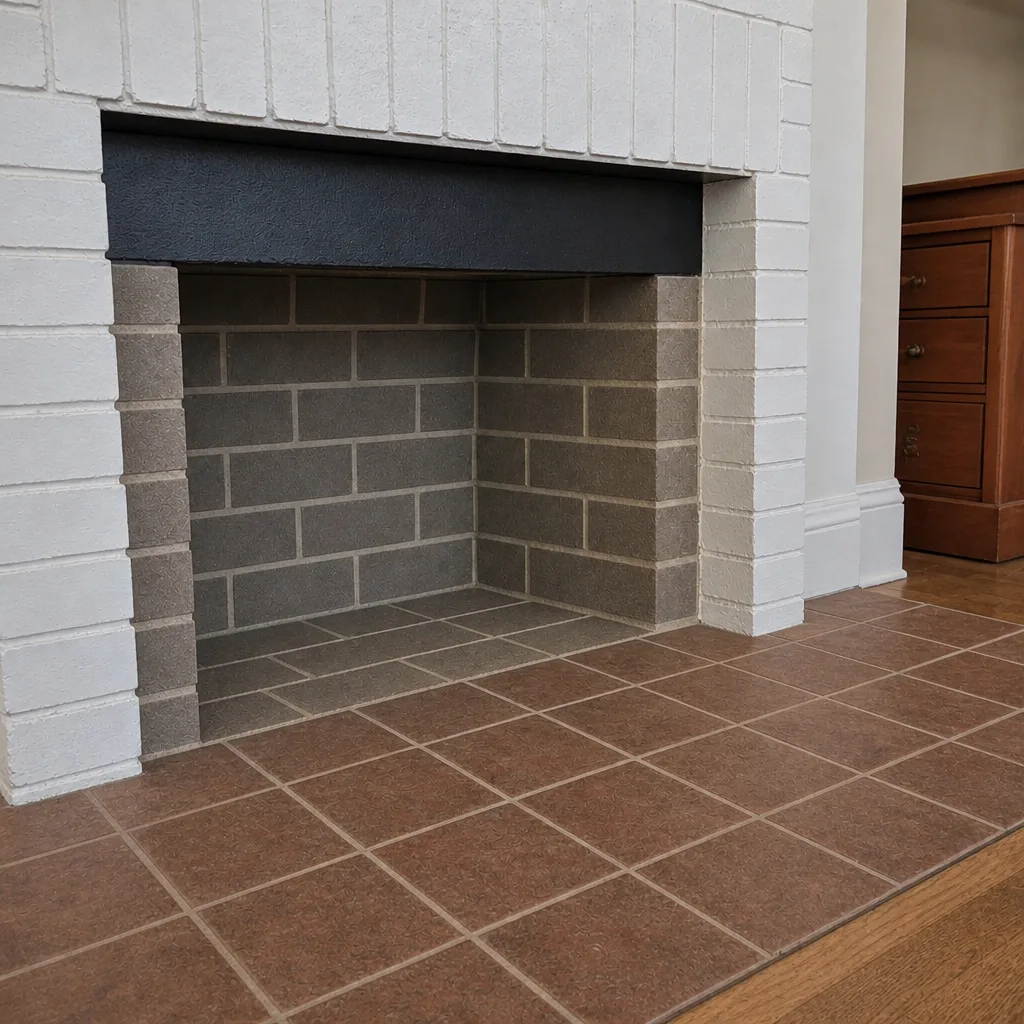
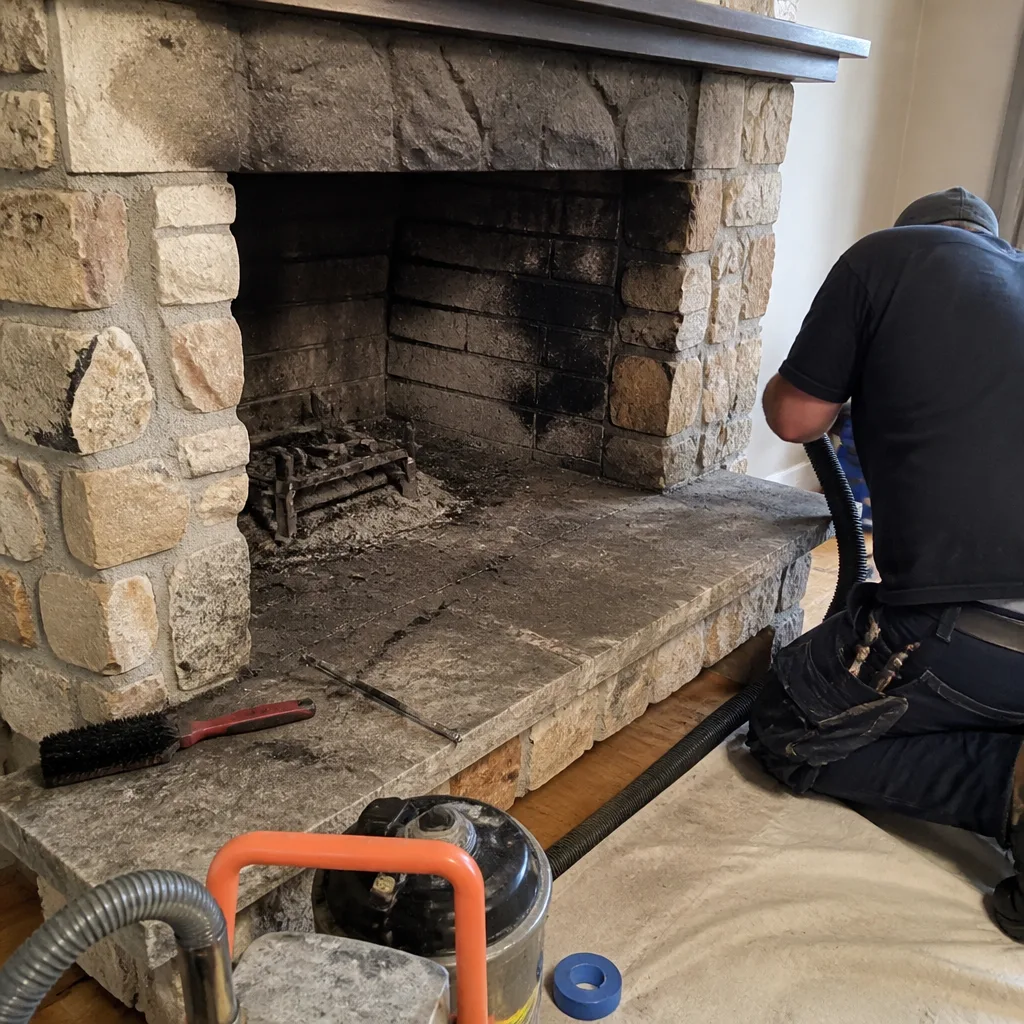
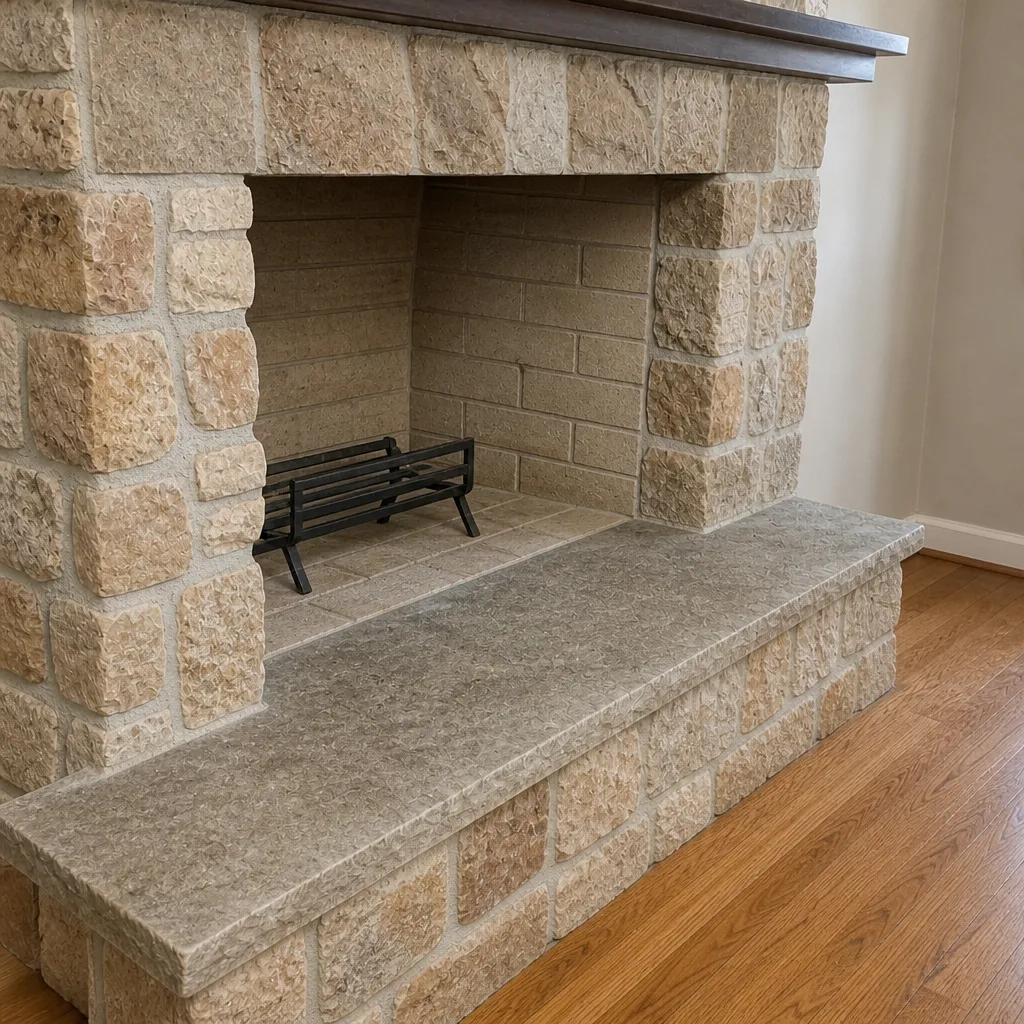
See the difference
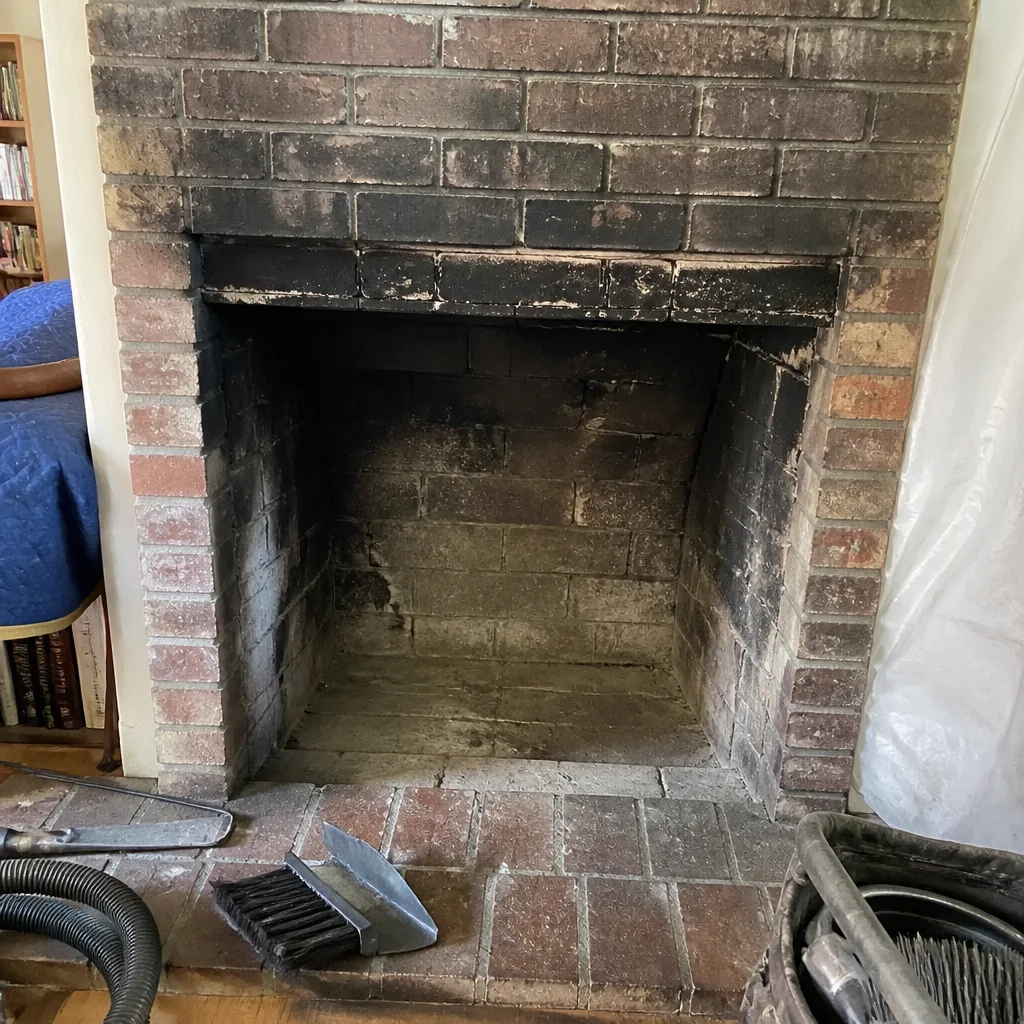 Before
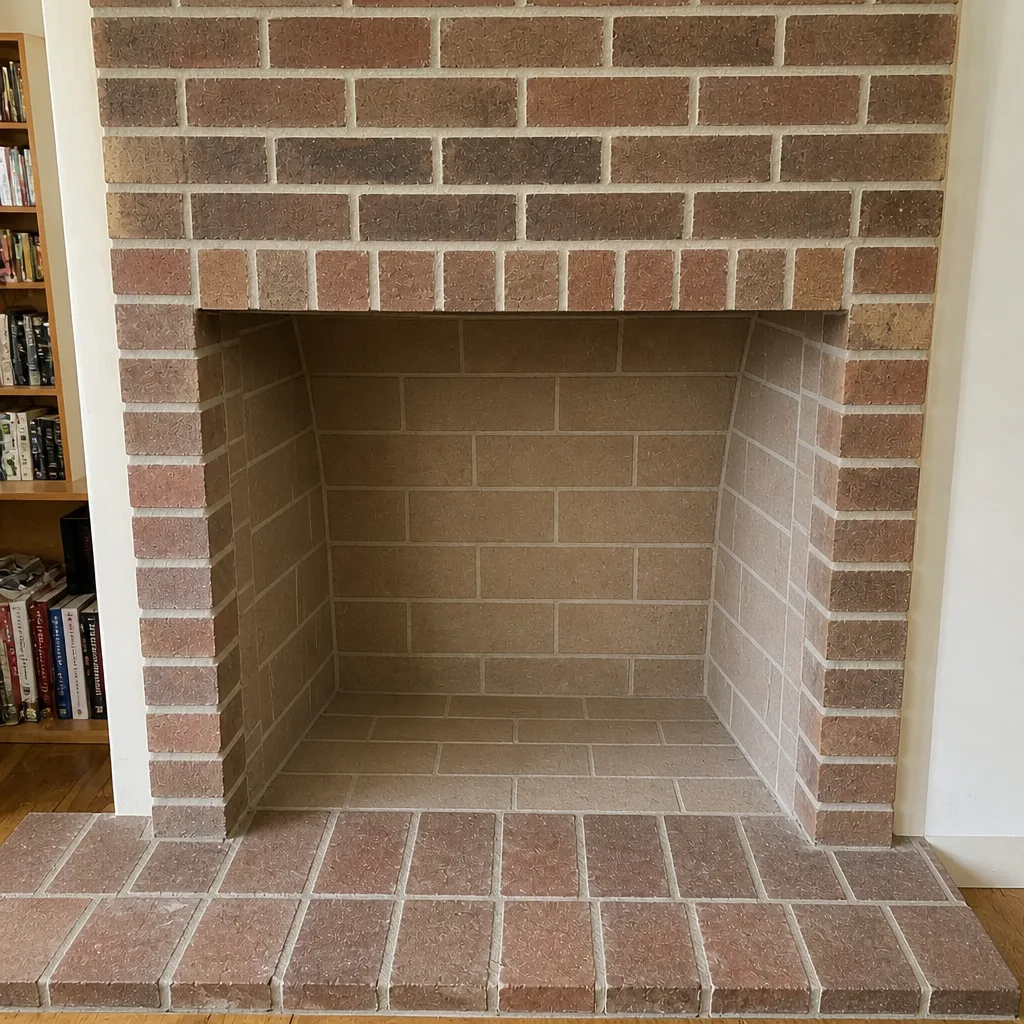 After
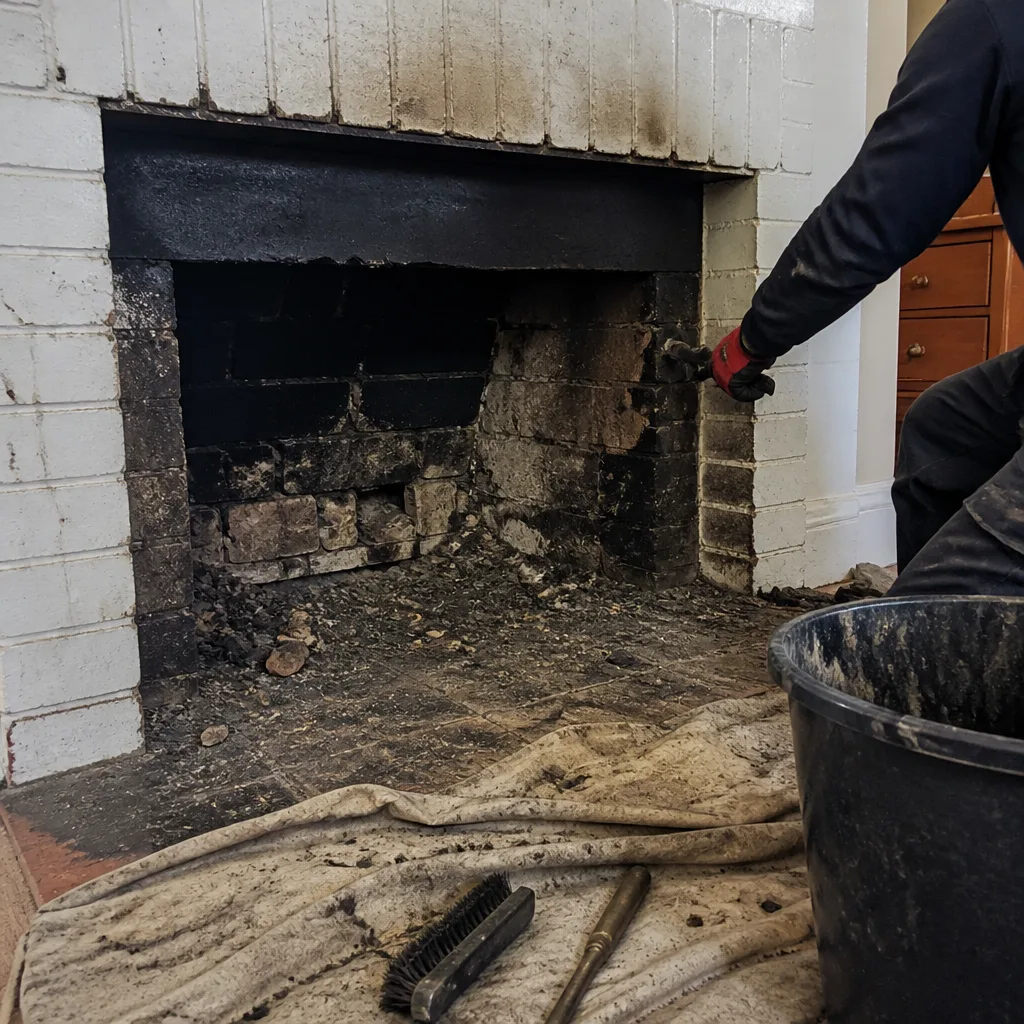 Before
 After
 Before
 After
When to Call a Professional
Book a sweep and inspection if it’s been a year or more since your last sweep, if you burn wood regularly, if you’ve moved into a West Seattle home whose chimney history you don’t know, or if you’ve noticed any of the specific warnings: a strong smell from the fireplace when it’s not in use, smoke coming back into the room, a damper that won’t close, or visible damage to the crown or cap. These aren’t reasons to wait for spring. A professional inspection is how you find out whether you have a problem worth acting on, and it gives you the documentation to make that call. Chimney Sweep West Seattle offers free estimates in West Seattle. Call (877) 447-9894. We inspect before we recommend, and we’ll tell you plainly when the work can wait.
Frequently Asked Questions
A standard chimney sweep and visual inspection is typically in the low-to-mid hundreds of dollars, and estimates are free. The final price is set by the written estimate based on the scope of the job, so nobody should hand you a firm number over the phone without seeing the flue. Call (877) 447-9894 for an exact quote. Estimates are free.
Not always, and that’s the honest answer. A camera inspection tells you whether the liner is cracked, gapped, or missing, and whether the flue could be restored with ceramic resurfacing instead of replaced. We carry HeatShield ceramic flue resurfacing specifically because it lets some deteriorating liners be restored without the cost of a full reliner. Nobody should recommend a new liner without showing you the footage. Call (877) 447-9894 for an exact quote. Estimates are free.
Once a year for most homes that burn wood regularly, and more often if you burn a lot. The general rule is a sweep when there’s roughly an eighth of an inch of creosote buildup in the flue, which is why an annual inspection is the way to know where you stand. Schedule the sweep on that schedule and you’ll rarely be surprised. Call (877) 447-9894 for an exact quote. Estimates are free.
Creosote builds up and stays in the flue, and creosote is the fuel a chimney fire needs. Carbon monoxide risk also rises when a flue is blocked or damaged, because exhaust has nowhere clean to go. Skipping a sweep doesn’t create an immediate hazard, but it removes the inspection that would catch one. Call (877) 447-9894 for an exact quote. Estimates are free.
Yes, and you should. The CSIA maintains an online directory of certified professionals, and the check takes about a minute. Ask for the certification number on the phone, then look it up. Match the name to the company actually sending the technician. If a company can’t produce the number, book with someone who can. Call (877) 447-9894 for an exact quote. Estimates are free.
The footage tells you. Any legitimate chimney contractor will show you the camera inspection and walk you through exactly what they found before recommending any repair, and you should keep that report whether or not you hire them for the work. If a recommendation comes without footage, don’t approve it. Call (877) 447-9894 for an exact quote. Estimates are free.
The Bottom Line
Hiring a chimney contractor in West Seattle is a credential check and a documentation exercise, not a price comparison. Confirm CSIA certification before you book, require the sweep to include a camera inspection and a written report, and structure the job so you keep the footage no matter who does the repairs. Read every estimate for scope and materials, and ask whether a deteriorating flue can be restored before accepting a full reliner. The right specialist answers all five screening questions cleanly, shows you the evidence before the recommendation, and tells you when the work can wait. That’s the standard to hold any contractor to. Chimney Sweep West Seattle is one specialist with the whole chimney from the firebox to the crown, and we’re glad to walk you through a free estimate.
Call (877) 447-9894. We answer 24/7. Fast dispatch from 7am to 7pm, Sunday through Friday. The estimate is free, and the written estimate sets the final price.
Written by the team at Chimney Sweep West Seattle.