
Last updated November 25, 2026
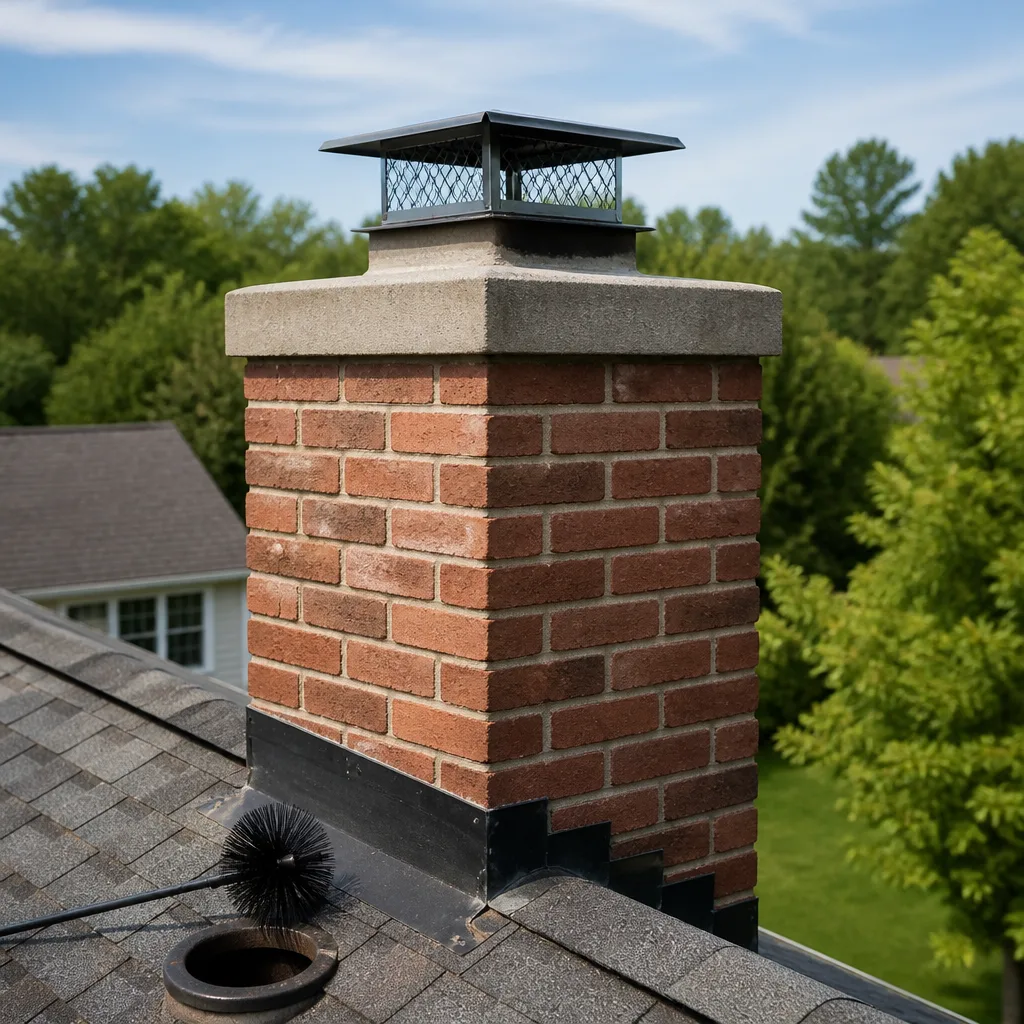 Sweep & inspection
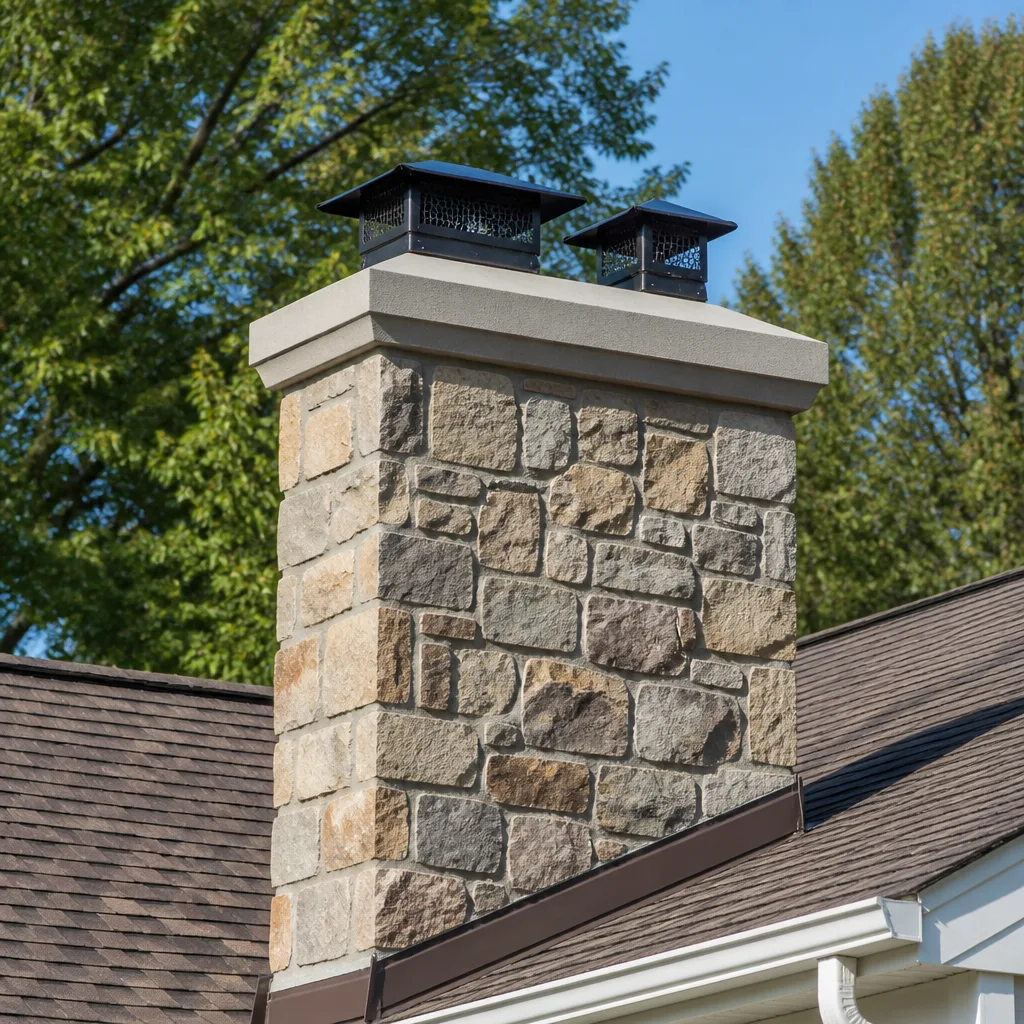 Caps & crowns
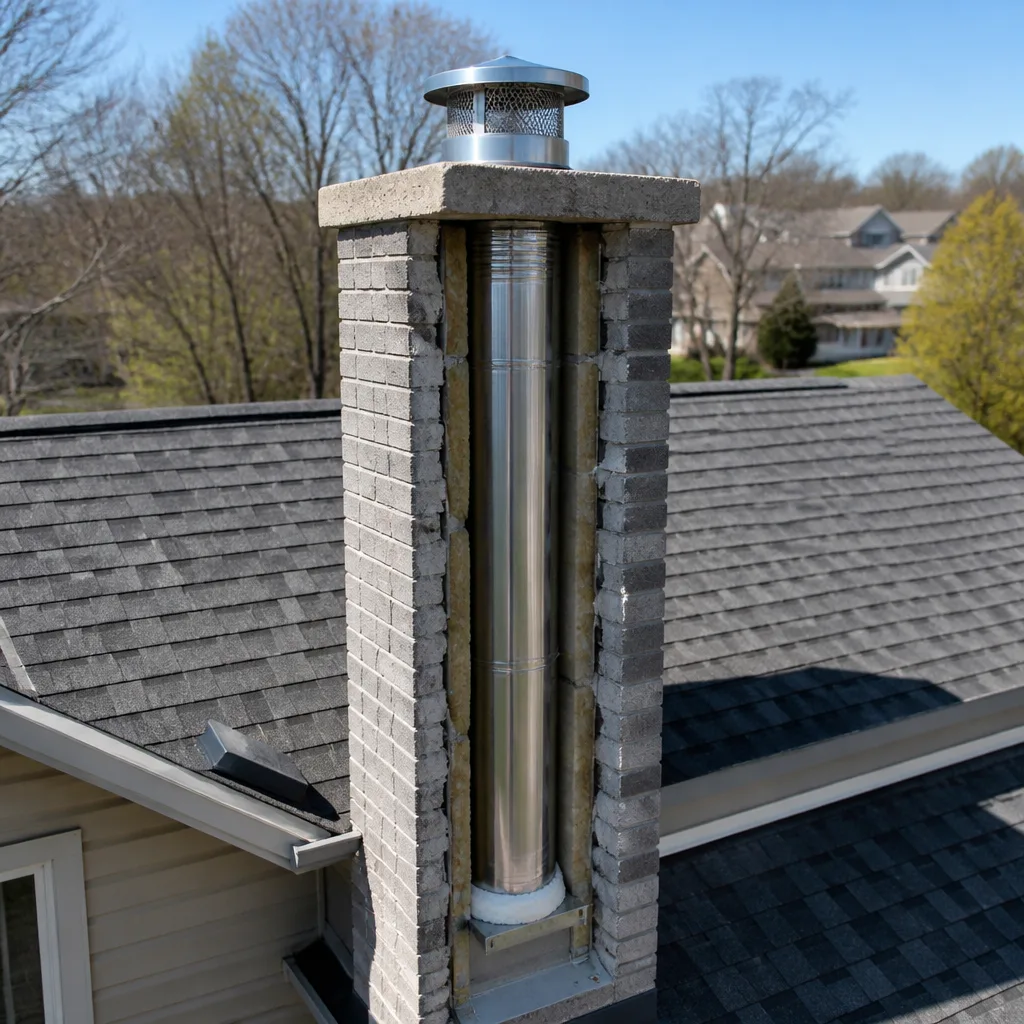 Flue relining
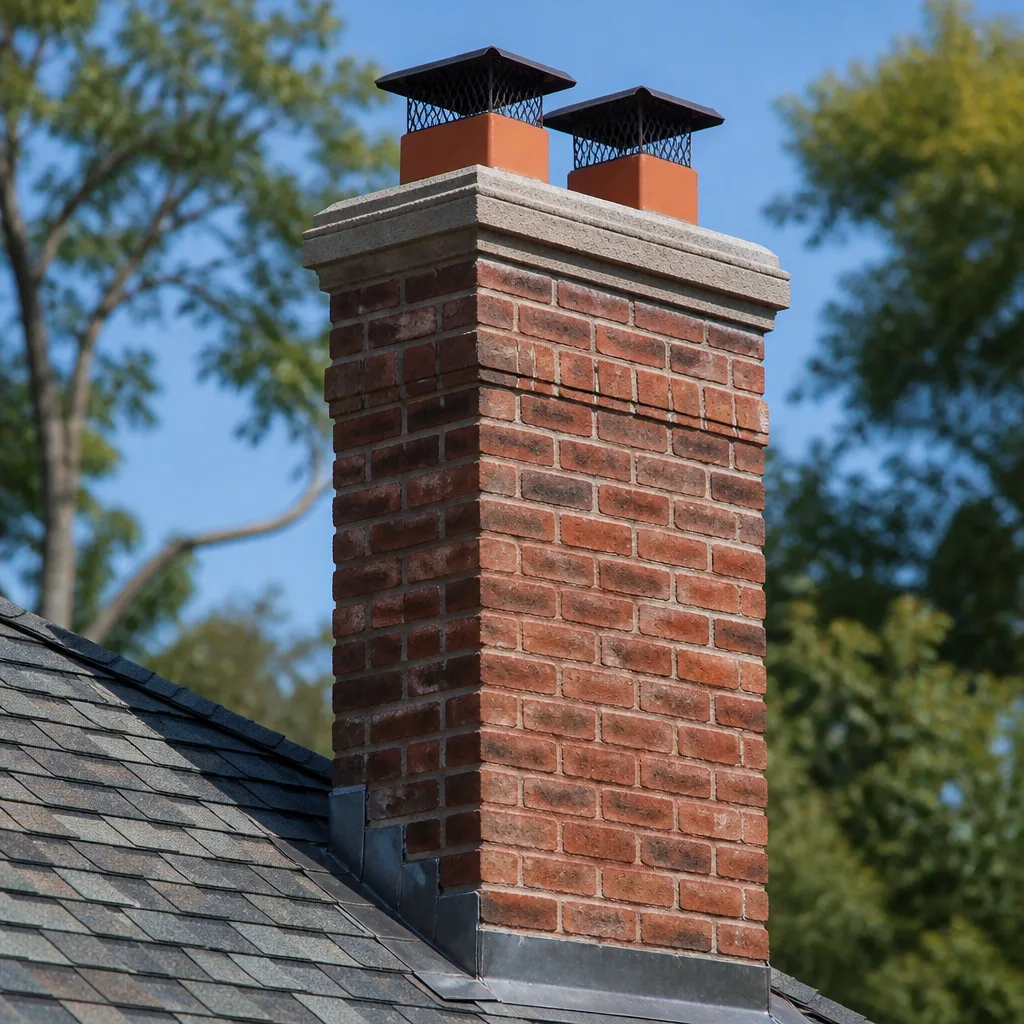 Masonry repair
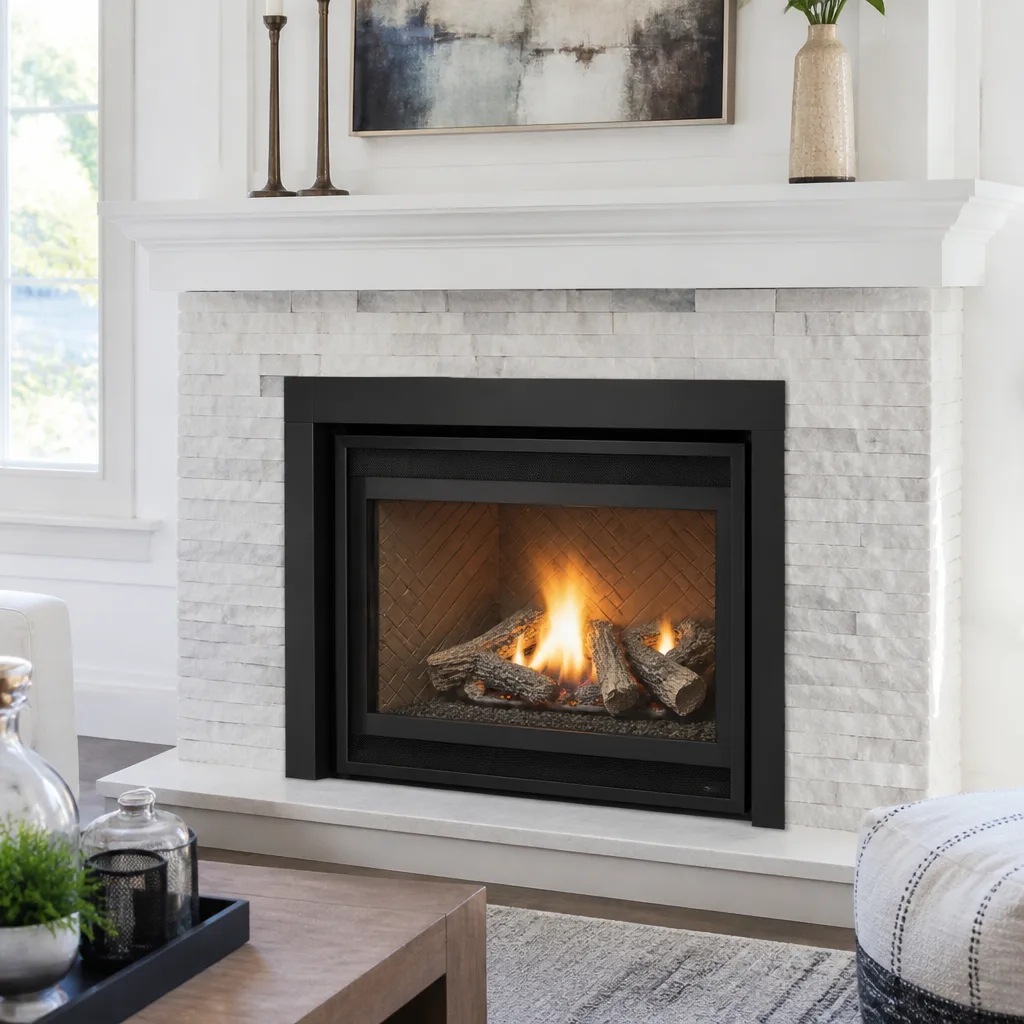 Gas fireplace service
Level 1 sweep and inspection to the NFPA 211 annual standard - flue, crown, cap, and flashing checked and photographed
Chimney sweep logs do not sweep chimneys. They loosen some creosote - which then falls where a brush and vacuum still have to collect it.
DIY vs Professional Chimney Cleaning: The West Seattle Homeowner’s Decision Guide
You can buy a chimney brush kit for about $60 and clean your flue in an afternoon. The problem isn’t the cleaning itself. It’s that a brush and a flashlight won’t show you the stage-2 creosote glazing on the flue wall, the hairline crack running through a clay liner tile, or the failed parging inside the smoke chamber that lets heat reach framing. Those are the things that turn a maintenance chore into a fire hazard, and they’re invisible from the top of a ladder or the bottom of a firebox. In this guide we’ll walk through what DIY brushing actually covers, what it can’t assess, when doing it yourself is genuinely reasonable, and how to build a maintenance record that holds up if you ever file a claim. West Seattle homeowners burn a lot of wood, and the decision deserves more than a cost comparison.
Quick Answer
DIY chimney brushing is reasonable for light between-season maintenance on a low-use fireplace, but it cannot replace a professional annual inspection because a brush doesn’t evaluate liner integrity, smoke chamber condition, or cap and crown status. For wood-burning fireplaces in regular use, the cleaning is the easy part: the inspection is what protects your home. Most West Seattle homeowners are better served by an annual professional sweep and inspection, with light DIY brushing in between if they want it.
Styles & brands we work with
- Sweep & inspection
- Caps & crowns
- Flue relining
- Masonry repair
- Gas fireplace service
Table of Contents
- What DIY Chimney Brushing Actually Covers
- What DIY Cleaning Cannot Assess
- When DIY Is a Reasonable Choice
- Equipment Reality Check: Brush Kits vs. Professional Systems
- Liability and Insurance for West Seattle Homeowners
- A Decision Framework You Can Use
- How a Professional Sweep and Inspection Actually Works
- Common Mistakes to Avoid
- When to Call a Professional
- Frequently Asked Questions
What DIY Chimney Brushing Actually Covers
A consumer chimney brush is a simple tool. It’s a stiff-bristled head on a rod, sometimes flexible, sometimes sectional, and it does exactly one job: it knocks loose material off the flue walls. That’s useful. It is not nothing. If you’ve burned a cord of dry wood over a winter, the flue wall accumulates soot and light, flaky creosote, and running a brush through it clears that layer.
Here’s what a DIY brushing pass realistically accomplishes:
- Removes loose soot from the flue walls and the smoke shelf
- Knocks down first-degree creosote, the flaky, crusty type that brushes off with friction
- Clears some of the debris sitting on the damper
- Lets you look up the flue with a flashlight and confirm it’s open and roughly clear
What it does not do is what most homeowners assume it does. It doesn’t evaluate. A brush doesn’t know whether the creosote it just pushed past was stage 2 glazed material that will re-form as soon as the flue gets hot again. It doesn’t see the joint between two clay tiles or the parging in the smoke chamber behind the damper. It doesn’t check whether the cap screen has rusted through or the crown has a crack letting water in.
In our experience across West Seattle, the pattern is consistent: the homes that need the most attention are the ones where the owner has been diligent about brushing but has never had the flue examined with a camera. The cleaning looked fine. The liner didn’t. If you want the full picture of what a chimney sweep involves, that’s a useful starting point.
What DIY Cleaning Cannot Assess
This is the core of the DIY-versus-professional question. The cleaning is the easy part. The assessment is the hard part, and it’s where the real value of a professional visit sits. Here are the specific things a homeowner with a brush and a flashlight simply cannot reliably evaluate.
Liner integrity
The flue liner is the barrier between the hot gases inside your chimney and the wood framing of your house. On older West Seattle homes, that liner is often clay tile; on newer installations, it may be a stainless system. Cracks in clay tile, gaps at the joints, and spalling from moisture don’t announce themselves. They show up on camera. A stage-2 creosote glaze can also sit in a cracked tile without ever being visible from below.
Smoke chamber condition
The smoke chamber is the sloped space above the damper and below the flue. It’s where smoke turns the corner and heads up, and it’s routinely neglected because you can’t see it easily from either end. Parging that has failed here lets heat and embers contact the masonry structure directly. Reaching and inspecting it requires tools and access a homeowner doesn’t have.
Cap and crown status
The cap keeps water, animals, and debris out of the flue. The crown is the concrete or masonry top of the chimney that sheds water away from the structure. Both degrade. A cracked crown lets water into the masonry, and water plus freeze-thaw cycles is one of the most common causes of chimney damage in West Seattle. Neither problem is visible from the ground, and neither shows up during a bottom-up brushing. If you want a sense of how these get addressed, our chimney cap & crown work covers that layer of the system.
Creosote stage
Creosote comes in stages, and only stage 1 is reliably brushable by a homeowner. Stage 2 is glazed and sticky; stage 3 is hardened and requires rotary tools or chemical treatment to remove. You can’t tell which stage you’ve got without a professional assessment of the flue wall, and stage 2 and 3 are the ones tied to chimney fire risk.
When DIY Is a Reasonable Choice
DIY isn’t always a mistake. There are specific scenarios where a homeowner brushing their own flue between professional visits is sensible, and we’ll be the first to say so. The key is knowing which scenarios those are.
Newer gas fireplaces with factory-built chase systems
A gas fireplace venting through a factory-built chase doesn’t generate creosote the way a wood burner does. There’s no wood smoke condensing on the flue wall. Light cleaning and dusting of the firebox and vent area is well within a homeowner’s reach, and a professional sweep once a year or every other year is usually sufficient for the appliance itself. The chase and termination still deserve an occasional look.
Low-use wood burners with an annual professional baseline
If you burn a few fires a season, mostly for atmosphere, and you’ve had a professional inspection establish a clean baseline, then light DIY brushing between professional visits is reasonable. You’re not trying to diagnose anything. You’re keeping the flue clear and letting the professional handle the assessment once a year.
Between-season light maintenance
Brushing off obvious soot at the end of the season, sweeping out the firebox, and checking that the damper moves freely are all fine DIY tasks. The distinction is between cleaning, which you can do, and inspecting, which you can’t do to a professional standard.
What’s not a reasonable DIY scenario: a wood-burning fireplace in regular use that has never had a professional inspection, a chimney on an older West Seattle home with unknown liner condition, and any flue where you suspect stage 2 or stage 3 creosote. Those need eyes and a camera on the flue.
Equipment Reality Check: Brush Kits vs. Professional Systems
It’s worth understanding exactly what a professional brings to the job, because it explains the price difference better than any sales pitch. A consumer brush kit costs somewhere in the range of $60 to $150 depending on rod type and brush head. It’s a hammer, essentially. It does one job well.
A professional cleaning setup is a different category of tool:
- Rotary cleaning systems that spin a whip or brush head at controlled speed to remove glazed creosote that a hand-pushed brush slides right past
- Camera inspection equipment that lets the technician see the full length of the flue, including the joints, the smoke chamber, and the liner top
- Industrial vacuums with HEPA filtration running throughout the job so soot stays in the flue rather than settling on your furniture and floors
- Specialty hand tools for the smoke shelf, damper, and firebox surfaces
- Access equipment for the roof, cap, and crown, so the exterior is examined on the same visit
The rotary head is the thing a brush kit can’t replicate. It reaches creosote that has hardened onto the flue wall and pulls it away in a way that a hand brush physically cannot. The camera is the thing that turns a cleaning into an assessment. Both matter, and both are the reason a professional sweep costs what it does.
We source our materials from professional-grade suppliers like Olympia Chimney and Copperfield, which are the distributors chimney professionals across the country rely on, so when a job turns into a repair, we’re not making a second trip to a hardware store for an improvised substitute.
Liability and Insurance for West Seattle Homeowners
Here’s the part of the DIY conversation that rarely comes up until it’s too late. If you have a chimney fire or a carbon monoxide incident and your insurer asks for documentation of chimney maintenance, what does that look like? They may ask for proof of annual inspection or sweeping, particularly if the policy has been in place a while or the home is older. A shoebox of receipts for brush kits isn’t the same as a dated inspection report from a qualified specialist.
We can’t tell you what any specific insurer will require, and we won’t pretend to. What we can tell you is what a professional maintenance record looks like, because that’s what we produce when we inspect:
- A dated inspection report identifying what was examined and what was found
- Photographs of the flue, smoke chamber, cap, and crown
- A record of any cleaning performed, including the creosote stage observed
- Written recommendations for anything that needs attention, with a clear statement of what can safely wait
That file is yours. Keep it with your home records. If you ever need it, it’s a defensible document, which is worth more than the cost of the inspection on the day you don’t need it. We work with your insurer where documentation is requested. We don’t bill insurance directly, but the record we produce is what an adjuster asks for.
If you’ve been doing DIY maintenance for years and have no file at all, the fix is a single professional inspection to establish a baseline. That baseline is the beginning of the record. From there, an annual visit keeps it current. West Seattle homes with a long DIY history are exactly the ones where a first professional inspection is worth doing now.
A Decision Framework You Can Use
We get asked whether it’s worth the money to have someone else do what a homeowner could do themselves. The honest answer is that the two tasks aren’t the same task, and once you see them as separate, the decision gets clearer. Here’s how we’d frame it.
Use DIY for:
- Light sweeping of soot between professional visits, on a flue you’ve already had professionally inspected this year
- Firebox cleanup and ash removal at the end of the season
- Checking that the damper operates
- Keeping the immediate area around the hearth clear
Use professional service for:
- The annual inspection and cleaning that establishes and maintains your maintenance record
- Any camera inspection of the flue liner, smoke chamber, or cap and crown
- Any suspected stage-2 or stage-3 creosote, which requires rotary tools
- Any structural, liner, or cap and crown work
- Any gas fireplace servicing on the appliance itself, which is a different job from chimney cleaning
Here’s the framework in step form:
- Ask whether the flue has ever been professionally inspected. If not, start there. DIY can wait until you have a baseline.
- Ask how often you burn. Regular wood burning needs an annual professional sweep. A gas appliance in a factory-built chase can often go a year or more between servicings.
- Ask whether you’ve noticed any warning signs. Smoke coming back into the room, a strong creosote smell, visible damage to the cap, or water stains on the chimney breast all argue for a professional visit now.
- Ask whether you have a documented record. If not, the next professional visit establishes one.
That’s it. DIY is for maintenance. Professional is for assessment and for anything that touches the structure of the chimney. For a look at how the correction side of that split works, our fireplace repair service is where most repair questions land.
How a Professional Sweep and Inspection Actually Works
If you’ve never had a professional sweep, knowing what to expect makes the decision easier. This is the general shape of a visit in our experience, and it’s consistent across the homes we work on throughout West Seattle.
- Set up and protect the work area. Drop cloths go down, and a HEPA-filtered vacuum is connected to the firebox before any brushing begins. Nothing in the room moves.
- Inspect the firebox and lower chimney. Damper operation, firebox condition, and the visible portion of the smoke chamber are examined before anything is cleaned.
- Clean the flue with rotary tools. The flue is brushed from the bottom with a rotary head that removes soot and any glazed creosote. This is where the professional system earns its keep.
- Run a camera inspection of the flue. The full length of the liner is examined on video, top to bottom. This is the part DIY can’t touch.
- Examine the cap, crown, and exterior chimney. The roof-level components are checked in the same visit, so any problem there is caught and can be addressed.
- Review findings with you and produce a written report. Anything we recommend is backed by photographs you can see for yourself.
Nothing is recommended without camera evidence. If a repair can wait, we say so, and we put that in writing. That’s the standard we hold to on every West Seattle job, and it’s what makes the maintenance record worth keeping.
Our technicians have up to 14 years of experience. That’s the experience we bring to the inspection, not a claim about the company itself. We source materials from the professional supply lines that specialists rely on, including Gelco and Famco for cap and cover products, which are specified for durability rather than price point.
When a chimney does need work beyond a cleaning, the options matter. A deteriorating liner can sometimes be restored with ceramic flue resurfacing rather than full replacement. That distinction is worth understanding before you accept a relining quote from anyone, because “restore, don’t just replace” is a real option more often than most homeowners are told. We’re certified to apply HeatShield, a proprietary ceramic resurfacing system, and we stock and install DuraFlex flexible liner systems for the cases where replacement is the right call. Knowing which applies to your chimney is a decision that starts with inspection, not with a sales pitch.
Common Mistakes to Avoid
- Assuming a clean flue means a safe flue. Brushing clears soot; it doesn’t evaluate the liner, smoke chamber, or crown. A clean flue with a cracked tile is still a hazard, which is why cleaning without inspection is only half the job.
- Waiting until the flue is full before the first sweep. A flue that has never been professionally cleaned has no baseline. West Seattle homes with older clay liners especially benefit from an early inspection, because what you don’t know about a liner is what hurts you.
- Using a mismatched brush size. Consumer brush kits come with brush heads sized for a flue diameter, and a head that’s too small won’t touch the walls while one that’s too large can damage a tile liner. This is a common way DIY brushing causes more harm than good.
- Skimping on the roof. The cap and crown are half of what determines whether a chimney lasts. A cracked crown lets water into the masonry, and freeze-thaw cycles in West Seattle do the rest. A sweep that doesn’t check the exterior misses this entirely.
- Letting gas fireplace maintenance slide because “it’s just gas.” A factory-built gas appliance still needs its vent termination and chase checked, and the appliance serviced periodically. It’s not the same job as wood-burning cleaning, but it isn’t nothing.
- Not keeping a record. An inspection report and photographs are the single most useful document a homeowner can have if a chimney issue ever reaches an insurer. Skip the paperwork and you’re relying on memory when someone asks for proof.
- Treating the first quote as the final quote. If a chimney company recommends a full relining without showing you camera evidence, get a second opinion. The recommendation needs to be backed by something you can see.
When to Call a Professional
Call a professional if any of these apply: your wood-burning fireplace has never had a professional inspection, you’ve been burning regularly for a season or more without a sweep, you’ve noticed smoke backing into the room, you smell creosote indoors, there’s visible damage to the cap or water staining on the chimney, or a previous company recommended work you haven’t verified. Call before the burning season if you can, so you have a clean baseline going into the winter. If it’s already cold, call anyway. A sweep booked now is worth more than one booked after a chimney fire.
Chimney Sweep West Seattle offers free estimates in West Seattle. Call (877) 447-9894. We answer 24/7. Fast dispatch from 7am to 7pm, Sunday through Friday. Closed Saturday.
Frequently Asked Questions
A chimney sweep in West Seattle typically falls in the range homeowners expect for a professional cleaning and inspection, and the written estimate sets the final price. The price is set per job, not per call, and there’s no charge for the estimate itself. Call (877) 447-9894 for an exact quote.
You need a new liner if the existing liner is cracked, spalled, or insufficient for the flue, and you don’t need one if it isn’t. The question is how you know, and the only answer is camera evidence you can see for yourself. We don’t recommend a reliner without showing you the damage. Some liners can be restored with ceramic resurfacing instead of replaced, which is worth asking about before accepting a replacement quote. Call (877) 447-9894 for an exact quote.
A wood-burning chimney in regular use should be swept and inspected once a year. A gas appliance in a factory-built chase often needs less frequent servicing, but the vent termination and appliance still deserve an annual look. If you’ve been burning heavily, more often is fine and never wrong. Call (877) 447-9894 for an exact quote.
Creosote accumulates and can ignite, which is a chimney fire, and a blocked or damaged flue can let carbon monoxide into the home. You can also have a slow leak from a cracked crown that turns into masonry repair work over a few winters of freeze-thaw. Skipping a sweep doesn’t always cause a problem, but the problems it can cause are the expensive kind. Call (877) 447-9894 for an exact quote.
Whether your insurer accepts DIY maintenance is a question for your insurer, not for us, and the answer may depend on the policy. What we can tell you is that a professional inspection produces a dated report with photographs, and that record is what an adjuster would ask for if a claim ever came up. If you have no record, a single inspection establishes one. Call (877) 447-9894 for an exact quote.
Yes, for light soot and flaky creosote between professional visits, on a flue that’s already had a professional inspection establish a clean baseline. It isn’t a substitute for the annual inspection itself, and it isn’t appropriate for stage-2 or stage-3 creosote, which needs rotary tools. Call (877) 447-9894 for an exact quote.
The Bottom Line
The DIY-versus-professional question comes down to separating cleaning from assessment. A brush clears soot. It doesn’t see the stage-2 creosote, the cracked liner tile, or the failed smoke chamber parging that a camera inspection catches. Brush between professional visits if you want to, but the annual professional inspection is the one task you shouldn’t skip, because it’s what produces both the safety check and the documented record your insurer may ask for. In West Seattle, with its freeze-thaw winters and a lot of older clay-lined chimneys, the inspection is where the real value lives. One specialist, the whole chimney, from the firebox to the crown.
If you’ve been doing your own maintenance and have no documentation to show for it, the next step is simple: book a sweep and inspection with Chimney Sweep West Seattle and start the record. We inspect before we recommend, and we put our findings in writing.
Call (877) 447-9894 for a free estimate. We answer 24/7. Fast dispatch from 7am to 7pm, Sunday through Friday. Closed Saturday.
Written by the team at Chimney Sweep West Seattle.
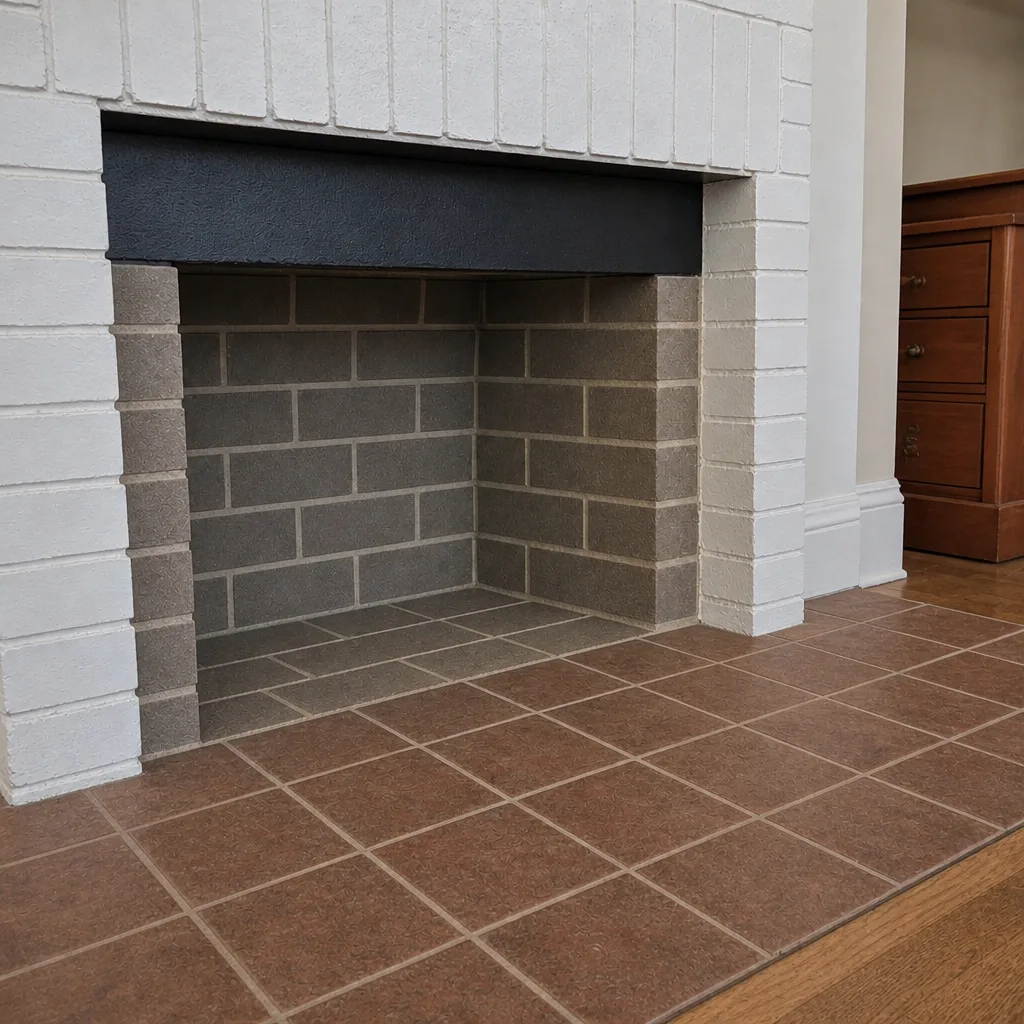
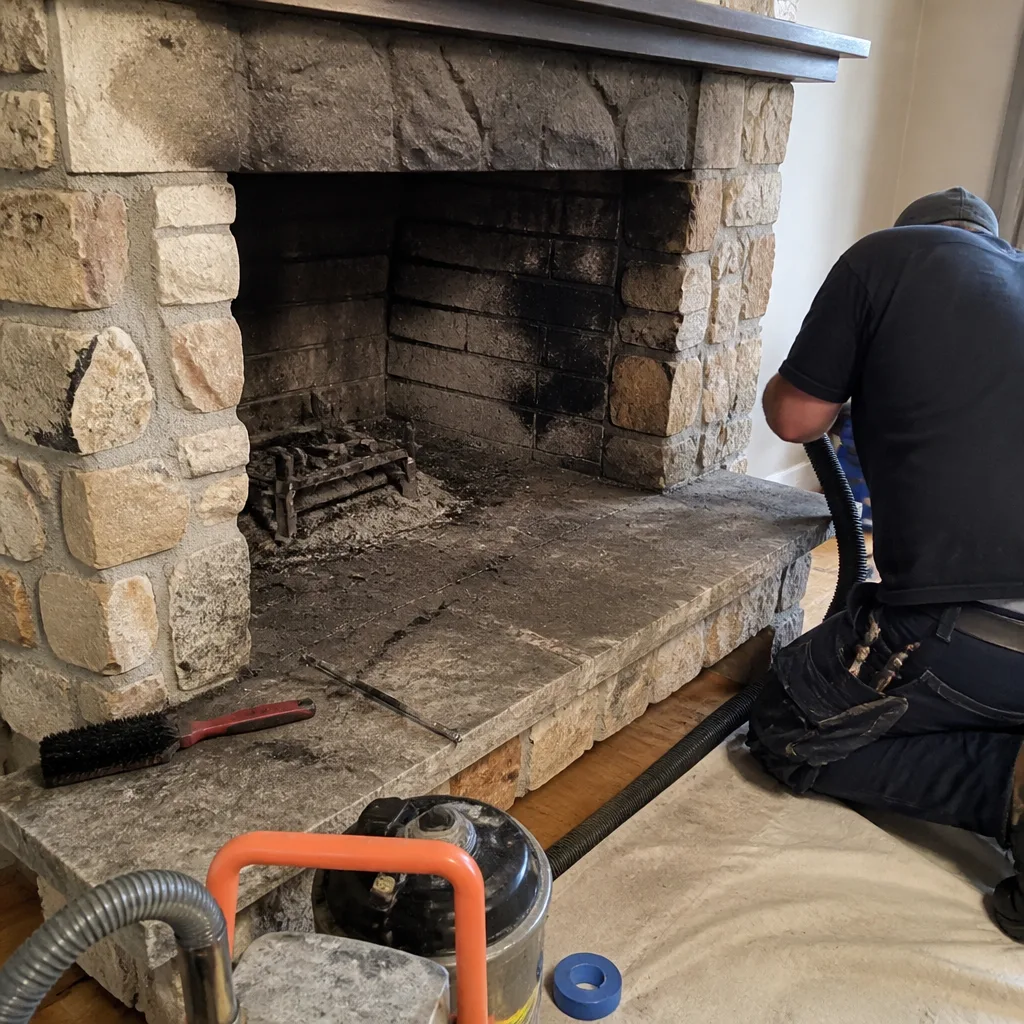
See the difference
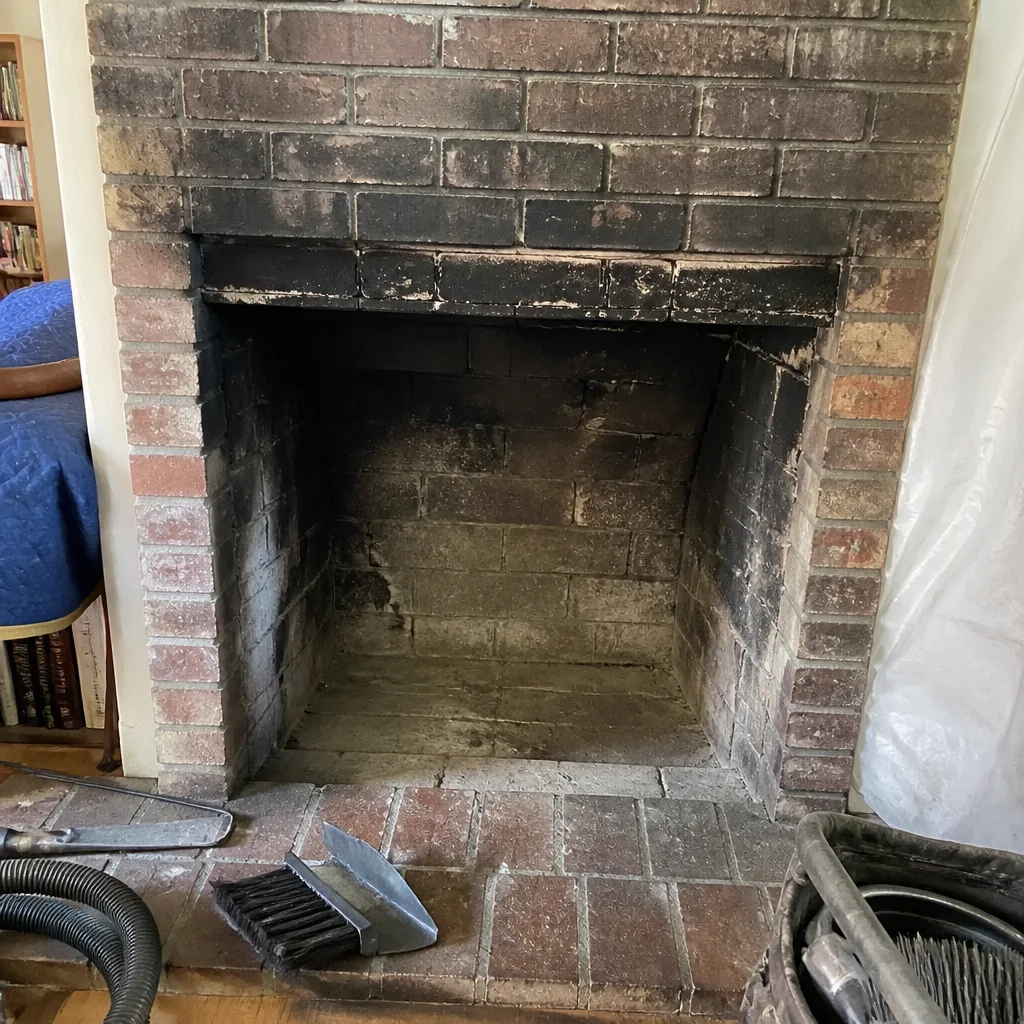 Before
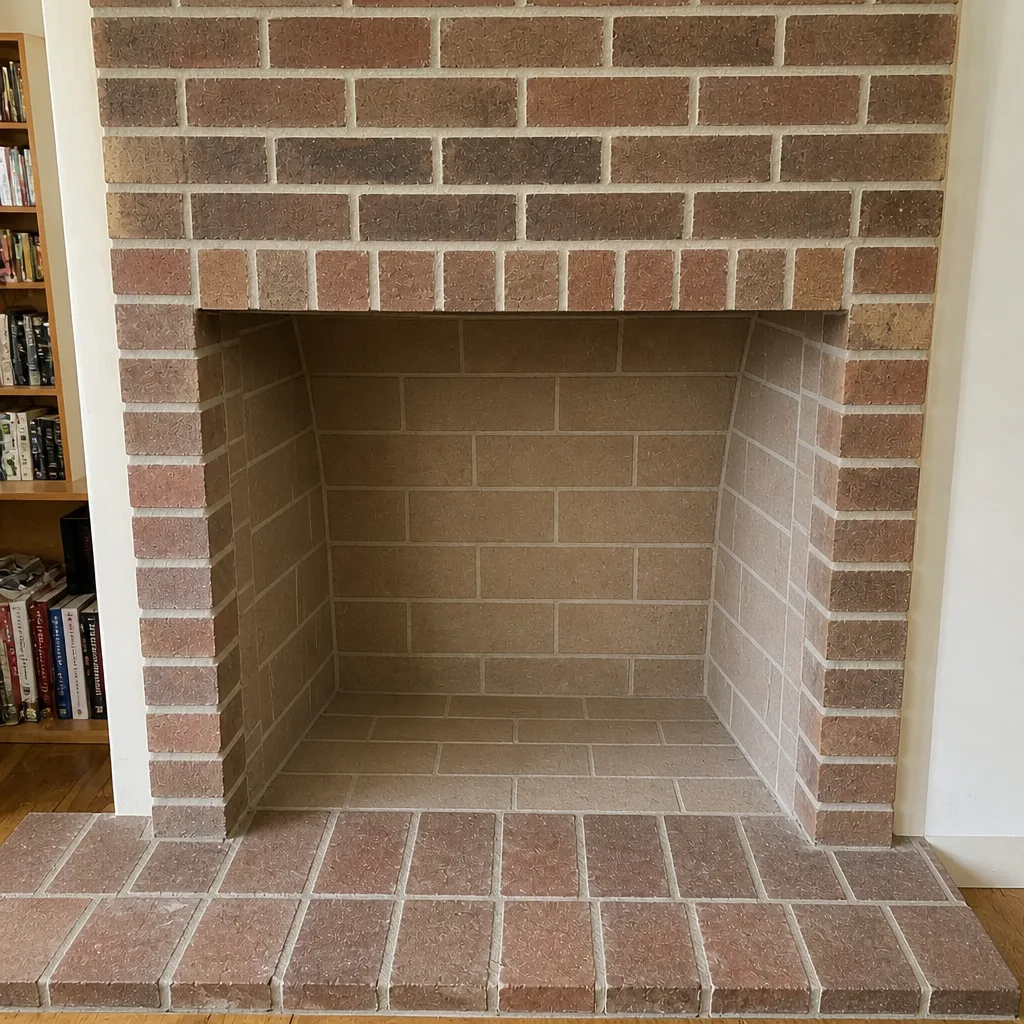 After
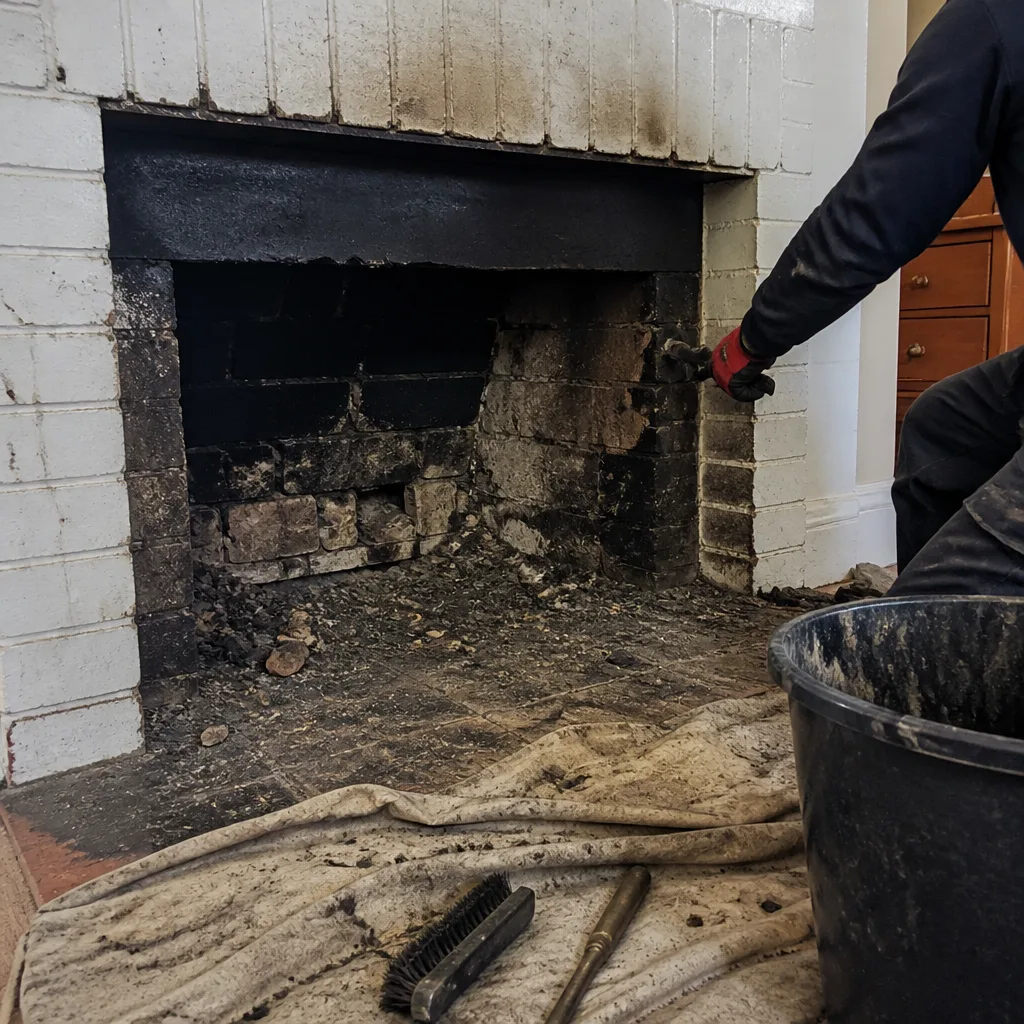 Before
 After
 Before
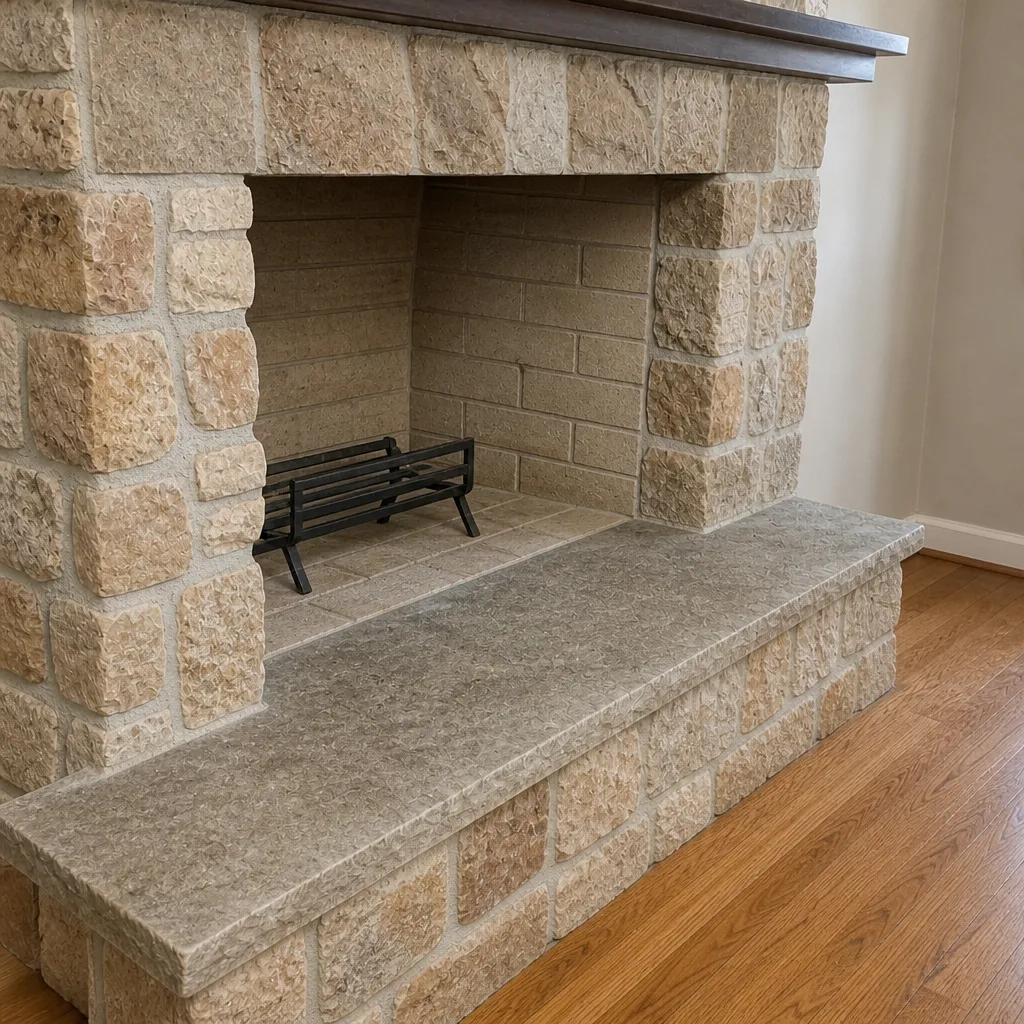 After