
Last updated November 25, 2026
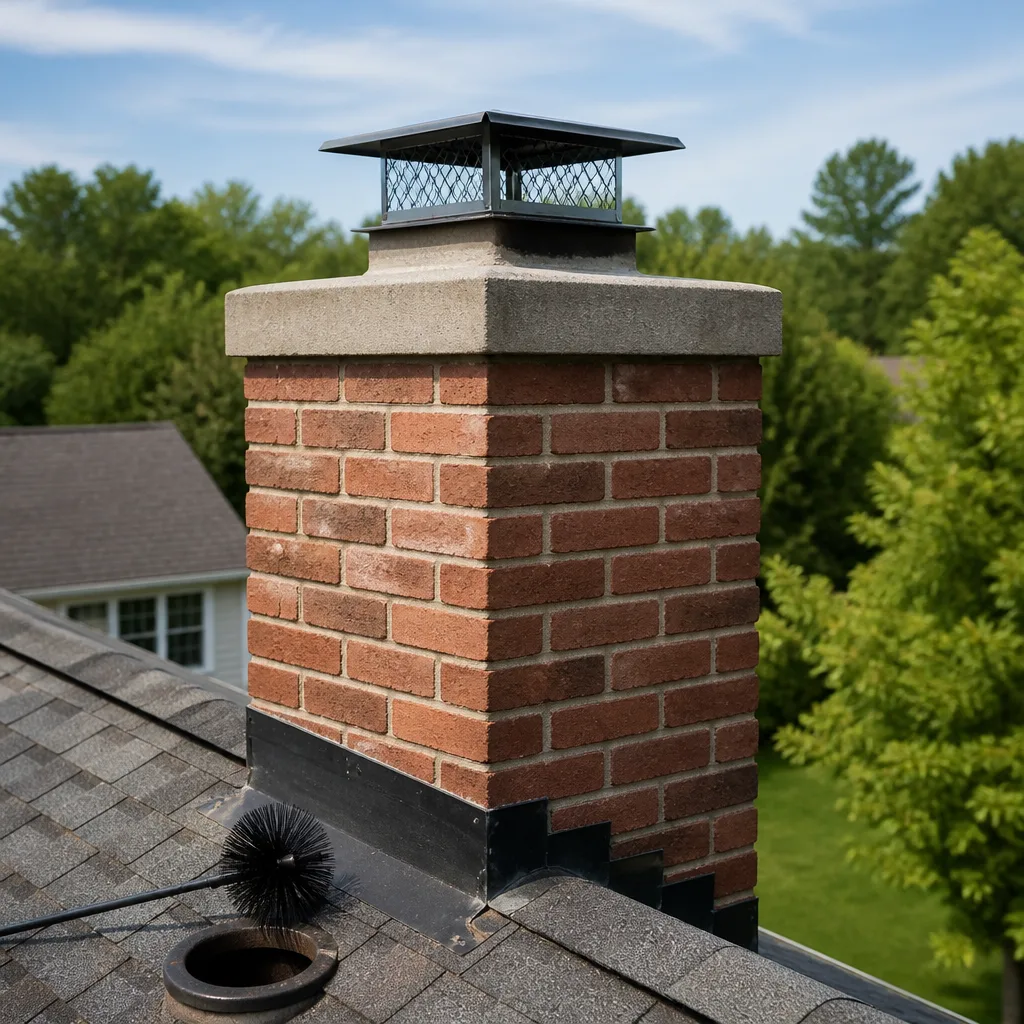 Sweep & inspection
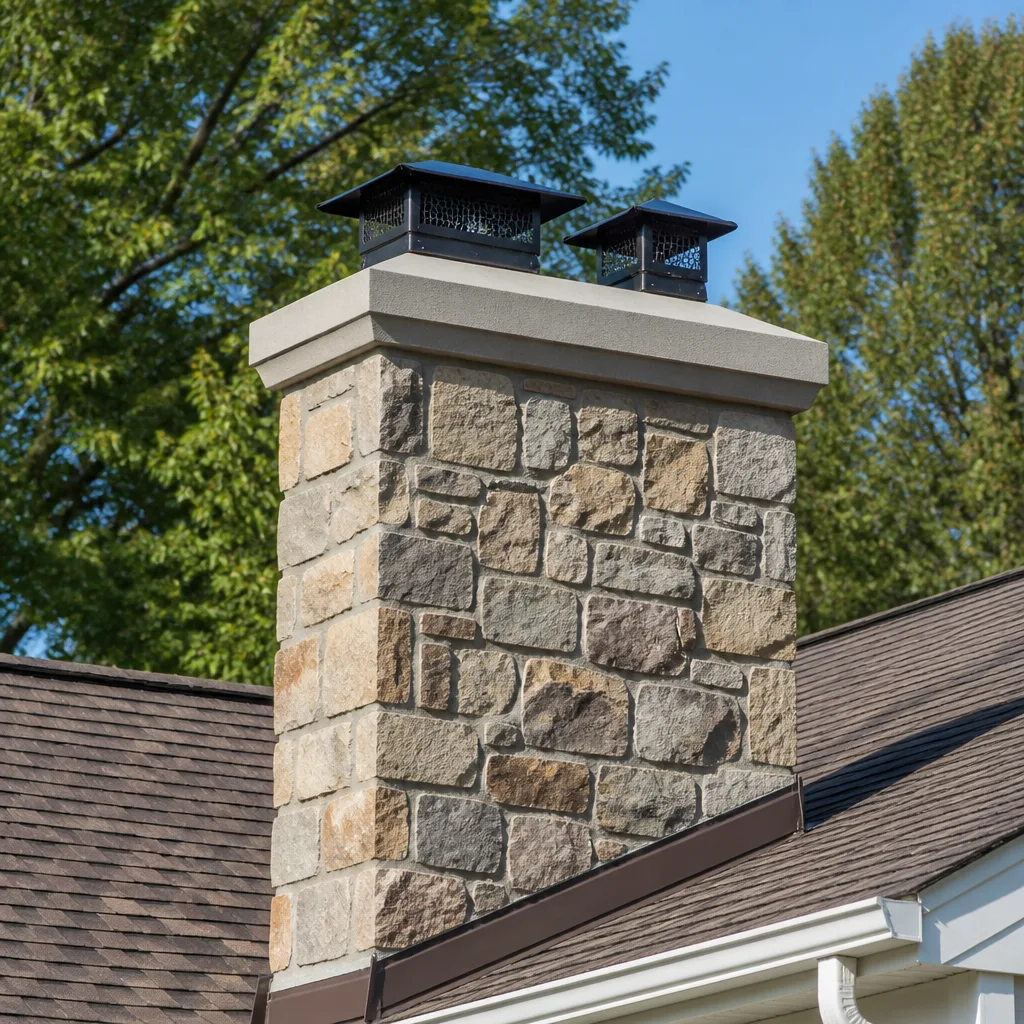 Caps & crowns
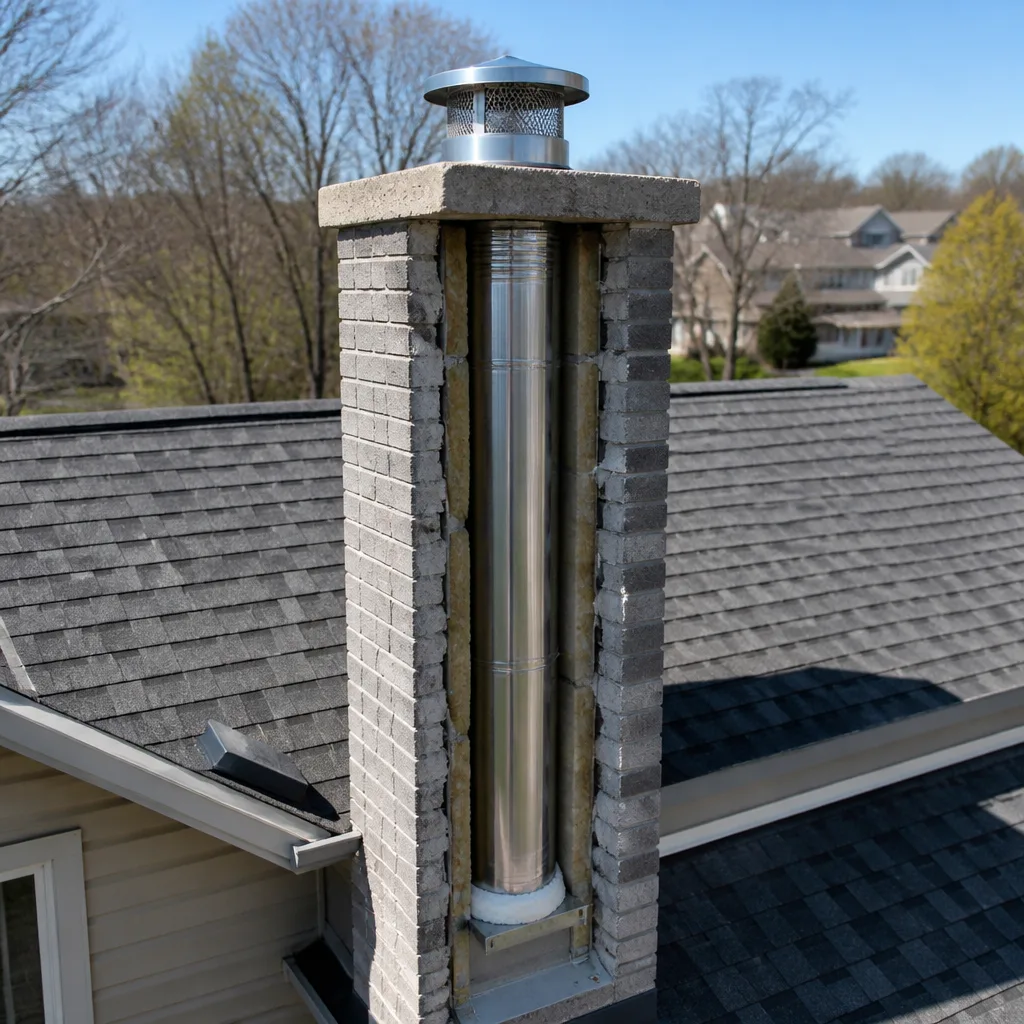 Flue relining
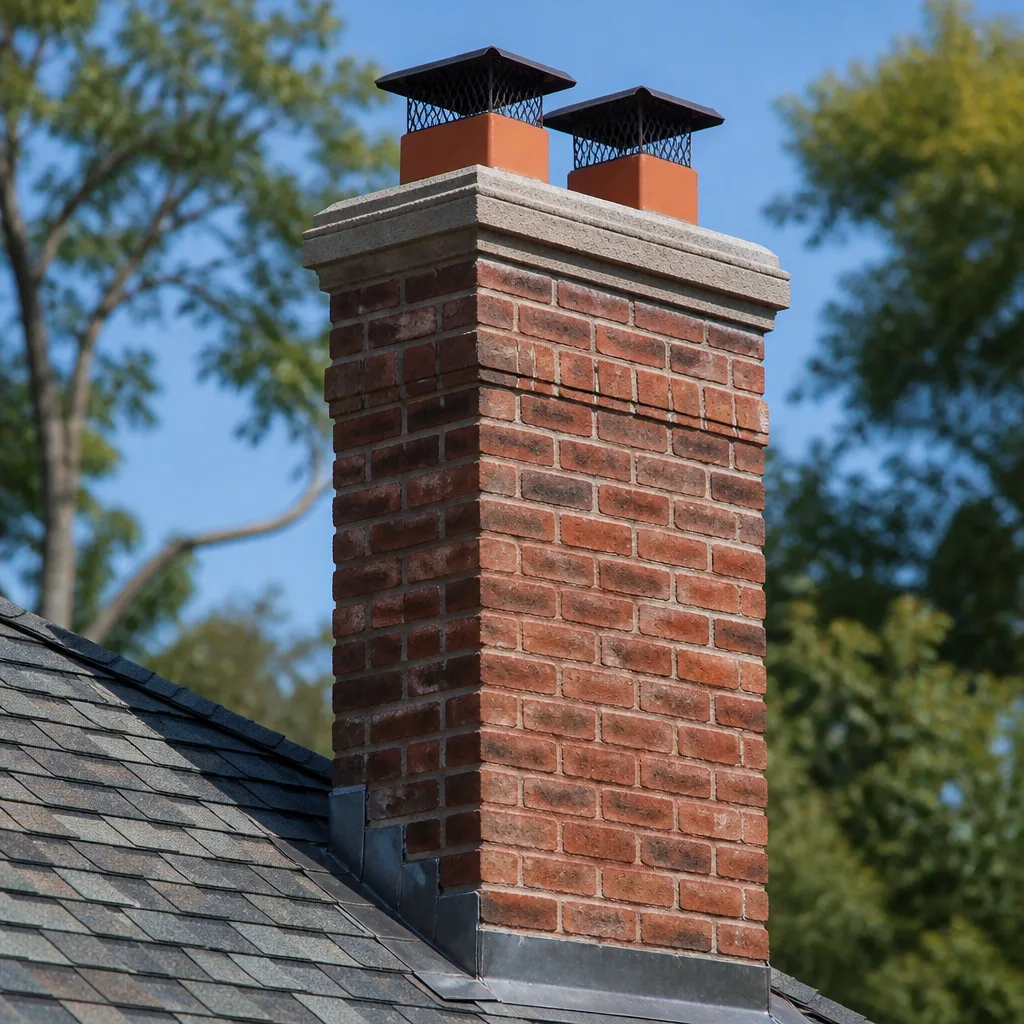 Masonry repair
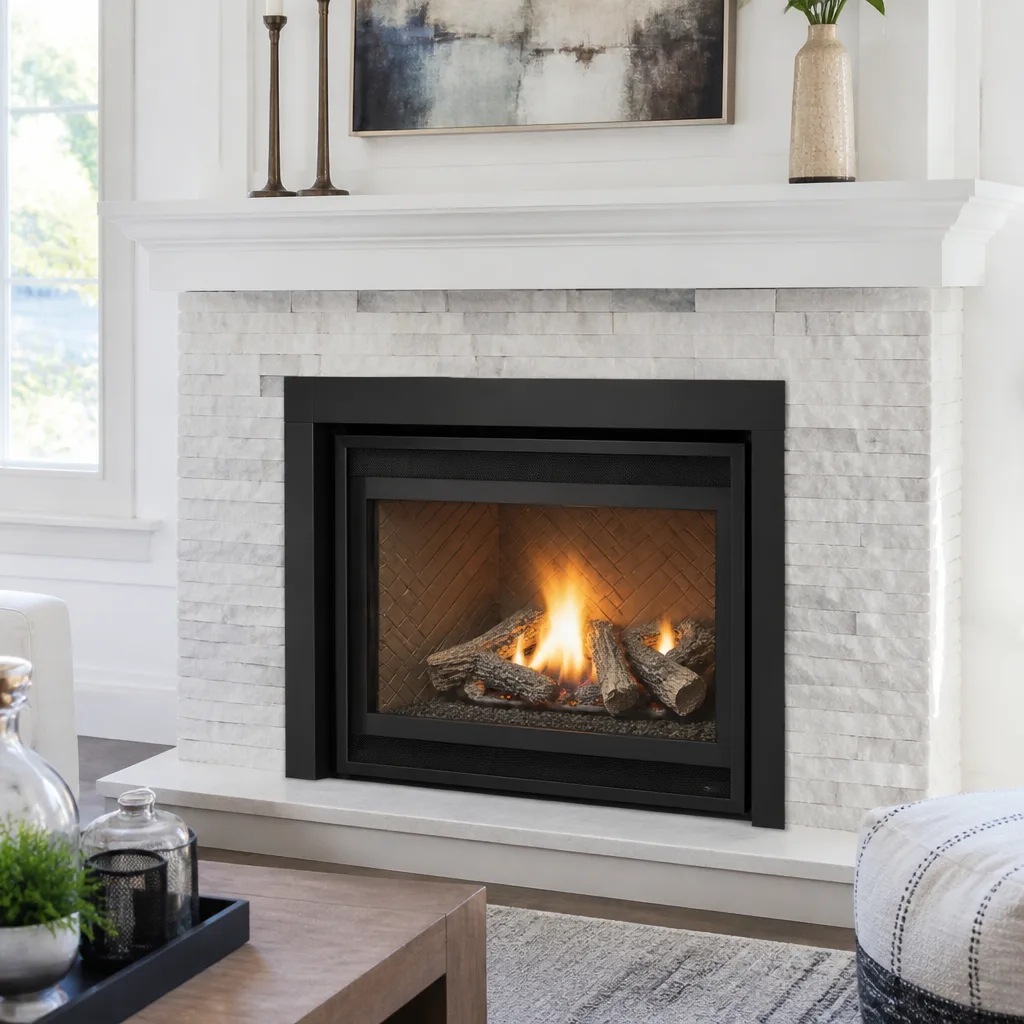 Gas fireplace service
Level 1 sweep and inspection to the NFPA 211 annual standard - flue, crown, cap, and flashing checked and photographed
Chimney sweep logs do not sweep chimneys. They loosen some creosote - which then falls where a brush and vacuum still have to collect it.
Chimney Sweep Troubleshooting in West Seattle: Common Problems and How to Fix Them
A smoky living room gets blamed on a dirty flue more often than it deserves. In our experience, a lot of the backdraft, odor and staining problems homeowners search for help with on a quiet evening turn out to be draft pressure issues, a failing damper, or a flue that’s simply too small for the appliance hooked to it. None of that is fixed by running a brush through the chimney. A standard sweep cleans what’s there; it doesn’t diagnose why the chimney is misbehaving. This guide is about tracing the symptom to the right cause before you spend money on the wrong fix. Everything here is written from what we see working on chimneys around West Seattle.
Quick Answer
Most chimney problems fall into four buckets: airflow and draft, creosote and moisture buildup, failing components like the damper or cap, and structural wear in the masonry or liner. The symptom rarely tells you which one you have. Smoke curling into the room points to draft or a blockage. A sour, smoky smell when the fireplace is cold points to creosote or moisture. Brown staining on the wall or ceiling points to a leaking crown, cap or flashing. The only reliable way to sort one from another is a proper inspection, which is why we inspect before we recommend anything.
Styles & brands we work with
- Sweep & inspection
- Caps & crowns
- Flue relining
- Masonry repair
- Gas fireplace service
Table of Contents
- Symptom-to-Cause: Tracing the Real Source of the Problem
- Smoke Coming Into the Room: Backdraft and Pressure Problems
- Creosote Odor and the Cold-Fireplace Smell
- Staining, Spalling and the West Seattle Climate
- Damper vs. Cap: Telling Which Component Is Failing
- When a DIY Fix Is Safe and When It Masks a Hazard
- What a Level 2 Inspection Reveals
- Noises, Rattles and What They Tell You
Symptom-to-Cause: Tracing the Real Source of the Problem
Start with the symptom. Then match it to the component that could actually produce it. Half the troubleshooting work is refusing to guess. A homeowner who assumes “smoke means dirty chimney” buys a sweep and gets no relief, because the real problem was a negative-pressure house or a broken damper. The matrix below is how we think through a call before anyone touches the flue.
- Smoke rolling back into the room: draft pressure, an obstruction, a flue that’s too short, or an appliance that’s oversized for the flue. Cleaning won’t change the physics.
- Sour, acrid smell when the fireplace is cold: creosote and moisture in the flue, often worse on damp days. Air coming down the chimney when nothing is burning.
- Brown or gray staining on the exterior brick, or on the ceiling near the chimney: a cracked crown, a failed cap, deteriorated flashing, or a liner that’s allowing condensation through the masonry.
- Crumbling mortar between the bricks: water intrusion, freeze-thaw cycling, or mortar that’s simply past its service life. Not a cleaning problem at all.
- Rattling or whistling on windy days: a loose cap, a damper that doesn’t seat, or a flue with an open top that catches the wind.
- Smoke smell in an upstairs room with no fireplace: the chimney is pulling air from the house through the flue, which usually means the house is running under negative pressure or the flue has an open path.
Two symptoms can look identical and trace back to completely different causes. That’s the point. If you can name the symptom precisely and rule out the obvious components, you’ve done most of what a phone conversation with us would do. If you’re still stuck, that’s the moment a chimney sweep in West Seattle with an inspection-first process earns its keep.
Smoke Coming Into the Room: Backdraft and Pressure Problems
Backdraft is a draft pressure problem, not a cleanliness problem. Chimneys work because warm air rises up the flue and pulls fresh air into the firebox. When the pressure balance tips the wrong way, that flow reverses and pushes smoke into the room. The flue can be spotless and still backdraft. This is the single most common misdiagnosis we run into around West Seattle.
The usual culprits, in rough order of frequency:
- A house that’s too tight. Modern sealed homes and recently weatherized houses can starve the fireplace of combustion air. The chimney pulls air down from the top because the house has nowhere else to get it.
- A flue that’s too short or too small. A short flue above the roofline or an undersized flue for the appliance means weak draft. A flue that worked with an open fireplace may not work once a wood stove insert goes in.
- An obstruction. A bird nest, a collapsed flue tile, or a creosote blockage. This one a sweep actually does fix.
- Wind and negative pressure from other appliances. A powerful kitchen exhaust fan, a clothes dryer, or a furnace can pull air out of the house and reverse the chimney’s draw.
- A closed or broken damper. A damper that’s stuck closed, or that doesn’t open fully, produces exactly the symptom of a dirty chimney.
What to check on your own: open a window an inch in the same room and see if the smoke clears. If it does, you’re running a pressure problem and a cleaning won’t fix it. If the smoke stays, you likely have an obstruction. Either way, the fix starts with knowing which one you have. Our team tracks that logic on every call, and we’ll tell you straight when a sweep won’t solve the complaint.
Creosote Odor and the Cold-Fireplace Smell
A sour, smoky smell from a fireplace that hasn’t been lit in weeks is almost always creosote and moisture combining in the flue. Creosote is the byproduct of incomplete combustion, and it sits on the flue walls in one of three forms: light soot, a flaky crust, or a hard glazed coating. The glazed form is the dangerous one because it’s fuel sitting inside your chimney, and it’s also the most stubborn to remove.
The odor story has a second half. On damp days, air moves down the flue and picks up that creosote smell on its way into the house. West Seattle’s damp stretches make this worse. You don’t need to be running the fireplace to get the smell. This is also why the smell often gets stronger when the weather changes.
What you can confirm without a ladder:
- Does the smell go away when you burn? If yes, you’re dealing with cold-flue odor rather than an active problem. You still want the flue checked, because creosote is what’s producing the odor.
- Does the odor spread to other rooms? That suggests the chimney is drawing air from the house, which is a pressure issue as much as a creosote issue.
- Is the smell more chemical or more like wet ash? A chemical, tar-like smell points to heavier creosote; a wet-ash smell points to moisture getting into the masonry.
Odor is not a cosmetic complaint. It’s a signal about what’s coating the inside of the flue. If it’s been more than a year since the last sweep, schedule the chimney sweep before you try anything else, because no deodorizer in the world is going to fix a flue full of creosote.
Staining, Spalling and the West Seattle Climate
Brick stain and crumbling mortar are the two most visible problems homeowners ask about, and both tend to trace back to water. Masonry is porous. When it stays wet, the mortar between the bricks starts to fail first. That’s spalling: the face of the brick flakes off because moisture is freezing and thawing inside it. Once the mortar is gone, more water gets in, and the cycle accelerates. West Seattle’s wet stretches, with freeze-thaw swings in the cold months, are exactly the conditions that drive this.
The chimney also has an interior moisture pathway. A clay flue liner can crack, and flue gases condense against the cold masonry on the way out. Left long enough, that condensation works its way through the chimney structure. From outside, you can’t always tell whether the staining is from a leaky crown or a compromised liner; both can show up as the same brown streak.
What to look at, from the ground:
- The crown. Look at the concrete cap on top of the chimney. A crack running through it, or a crown that’s pulling away from the flue tile, lets water straight down into the masonry.
- The flashing. The metal where the chimney meets the roof. Rusted, pulled-up, or missing flashing is the other main water entry point.
- The mortar joints. Run a screwdriver gently across a few joints. If it crumbles, the mortar is past its service life. That’s a repoint, not a cleanup.
- The brick faces. Flaking or powdering on the brick faces themselves is spalling, and it needs more than a coat of sealant.
If you spot staining, don’t reach for a masonry sealer. Sealing a wet chimney traps moisture inside and makes the spalling worse. Get an inspection first, and let the source of the water decide the fix. Sometimes that’s a chimney cap & crown replacement, sometimes it’s a liner, and sometimes it’s flashing work that belongs to a roofer. We’ll tell you which one you’re looking at.
Damper vs. Cap: Telling Which Component Is Failing
A failing damper and a failing cap produce some of the same symptoms, and both get blamed on the chimney itself. Here’s the difference. The damper is the metal door inside the firebox. It opens to let smoke up and closes to seal the flue when the fireplace is cold. The cap is the lid on top of the chimney, usually on standoff legs or a full enclosure, and its job is to keep rain, animals and debris out while letting smoke escape.
You can usually sort them without climbing on the roof:
- Damper symptoms: smoke coming into the room even with the flue open, a damper that won’t move freely, a damper that won’t close fully, or a visible rusted-out damper plate. You can reach in and test it by hand with a flashlight, no ladder needed.
- Cap symptoms: water dripping into the firebox after rain, birds or debris in the flue, pieces of a torn cap visible on the roof, or a damper that closes fine but the flue still drafts poorly.
- Both failing at once: not uncommon on older West Seattle homes where the cap and damper are original. That’s why we pair cap and crown installation with inspection, so both get fixed on the same visit rather than flagged and left for a future appointment.
What you can check without going on the roof: open the damper fully, shine a flashlight up into the flue, and look for light coming through the top. If you don’t see light, something is blocking the flue, and it isn’t the damper. If you see light but the flue still won’t draw, the problem lives above your head and needs a professional look. A cap in the right place with the wrong size can choke a chimney just as effectively as a closed damper. Cap products from Gelco and Famco are specified because they’re sized to the flue, not just thrown on top.
When a DIY Fix Is Safe and When It Masks a Hazard
Some chimney troubleshooting is safe to do yourself. Relighting a gas fireplace pilot, swapping a battery in a carbon monoxide alarm, clearing a visible obstruction at the top of the firebox, checking that the damper opens: those are all reasonable homeowner tasks. The danger zone starts when a DIY fix makes a symptom disappear without addressing what caused it.
Safe to handle yourself:
- Relighting a gas fireplace pilot per the manufacturer’s instructions.
- Clearing loose ash and debris from the firebox floor before a burn.
- Testing that the damper opens and seats fully by hand.
- Confirming your carbon monoxide alarms work and are placed where they’ll actually catch a problem.
Where DIY starts to mask something:
- Burning hotter to “clean out” a creosote smell. Glazed creosote can ignite. A hot fire in a dirty flue is how chimney fires start.
- Sealing mortar cracks with caulk. It looks fixed until the water finds another path, and by then the masonry behind it has taken more damage.
- Blocking a chimney you never use with a foam plug or plastic bag. That can trap moisture and hide a carbon monoxide pathway into the house.
- Removing a damper because it sticks. A damper isn’t just a door; it’s part of the flue’s sealing system. Pulling it out can put combustion gases back into the living space.
High-tension springs and heavy moving parts on some fireplace systems are genuinely dangerous to work on. Electrical components, gas lines and anything inside the chimney above the firebox are areas where a trained professional should be the one doing the work. We’d rather look at it than have you take a risk finding out.
What a Level 2 Inspection Reveals
A visual check from the firebox misses most of what’s actually wrong. A Level 2 inspection uses a camera to look at the interior of the flue from the top down and the firebox up, and covers accessible areas of the chimney, the attic, and the roof. That’s the difference between guessing and knowing. A Level 2 is what we pull when a home changes hands, after a chimney fire or other event, or any time the symptom doesn’t match the obvious cause.
What it turns up that a firebox visual can’t:
- Hidden flue cracks. A hairline crack in a clay flue tile lets carbon monoxide and smoke into the masonry, where it can find a path into the house. From the firebox, it looks fine.
- Flue-gap offset. Clay tiles that have shifted out of alignment create a physical obstruction for the smoke and a clear hazard for the liner. The flue can look intact from below and be badly offset higher up.
- Creosote in the upper flue. The firebox can look clean while the top third of the flue is coated, which is exactly where a chimney fire starts.
- Installation problems. An appliance connected to a flue that’s the wrong size or the wrong type for the fuel it burns. This is a code-level issue that a visual check won’t surface.
- Cap and crown condition from the top. What looks like a sound cap from the ground can be cracked, loose, or the wrong size once you’re looking down from above.
The inspection comes with camera photos you can see for yourself. That’s the whole point: nothing gets recommended that isn’t documented, and the report tells you what can safely wait. If a liner can be resurfaced rather than relined, we say so, because HeatShield ceramic resurfacing restores a deteriorating flue at a fraction of a full reline, and most generalist services don’t offer it at all. Where a full reline is genuinely the answer, we install DuraFlex flexible liner systems, a professional-trade standard, not a hardware-store substitute.
A Level 2 is also a fair test of the company doing the work. If someone recommends thousands of dollars of liner or masonry work with no camera evidence to back it up, walk away and get a second look. It’s your house, and you’re entitled to see what they’re seeing.
Noises, Rattles and What They Tell You
Chimney noises are underrated diagnostics. They’re not a category of problem in themselves; they’re a signal about which component has come loose or which pressure path is open. We run through the same short list on every call that mentions noise.
- Rattling or clanking on windy days: a loose cap, a cap whose legs have worked free, or a piece of flue tile that’s come down inside. The first two are cap replacements; the third is an obstruction and a prompt inspection.
- Whistling: wind moving across an open cap or a poorly sealed flue top. A properly fitted cap with the right clearance largely eliminates it.
- A low hum or gurgle when the fireplace is hot: draft moving against a restriction, often a partially obstructed flue. Get it inspected before the next burn.
- Popping or a low roar from the flue: stop burning. That can be a chimney fire. Close the damper, get everyone out of the house, and call for help a safe distance from the building.
- Banging inside the wall near the chimney: expansion noise from a hot flue, or a flashing detail rattling loose. Usually a repair, not an emergency, but worth a look.
The noise category is where a lot of small problems get caught cheaply. A loose cap replaced in a single visit costs far less than the water damage it lets in over the winter, and the same visit is when we check the crown, the flashing and the flue. Paired with inspection, cap and crown work keeps everything on the same repair schedule instead of turning into a series of appointments.
Common Mistakes to Avoid
- Assuming every smoke problem means a dirty chimney. Backdraft, an undersized flue and a stuck damper all produce smoke with a perfectly clean flue. Get the symptom diagnosed before you book a sweep.
- Using hardware-store caulk or sealant on a masonry crack. Chimney mortar takes a specific mix and thermal movement, and a caulk bead that looks sealed in October can be peeling by February. The water damage is already happening by then.
- Sealing a wet chimney. Masonry sealer traps moisture and accelerates spalling. If you see staining or flaking brick, fix the source of the water before you seal anything.
- Skipping the sweep because “we only burn a few times a year.” Creosote builds per burn, not per year. Even light use can leave the glazed creosote that causes chimney fires.
- Running a fire without a working carbon monoxide alarm. CO is invisible and the symptoms resemble a bad cold. Test the alarms and check the flue before cold weather sets in around West Seattle.
- Removing a damper or a cap because it “gets in the way.” Both are part of the system that keeps smoke out and water out. Removing one creates the problem the other was preventing.
- Letting a general handyman do chimney repair with off-the-shelf parts. Chimney flue and cap work calls for trade-grade materials sized to your flue. A fitted Famco or Copperfield cap isn’t the same thing as a loose cover.
See the difference
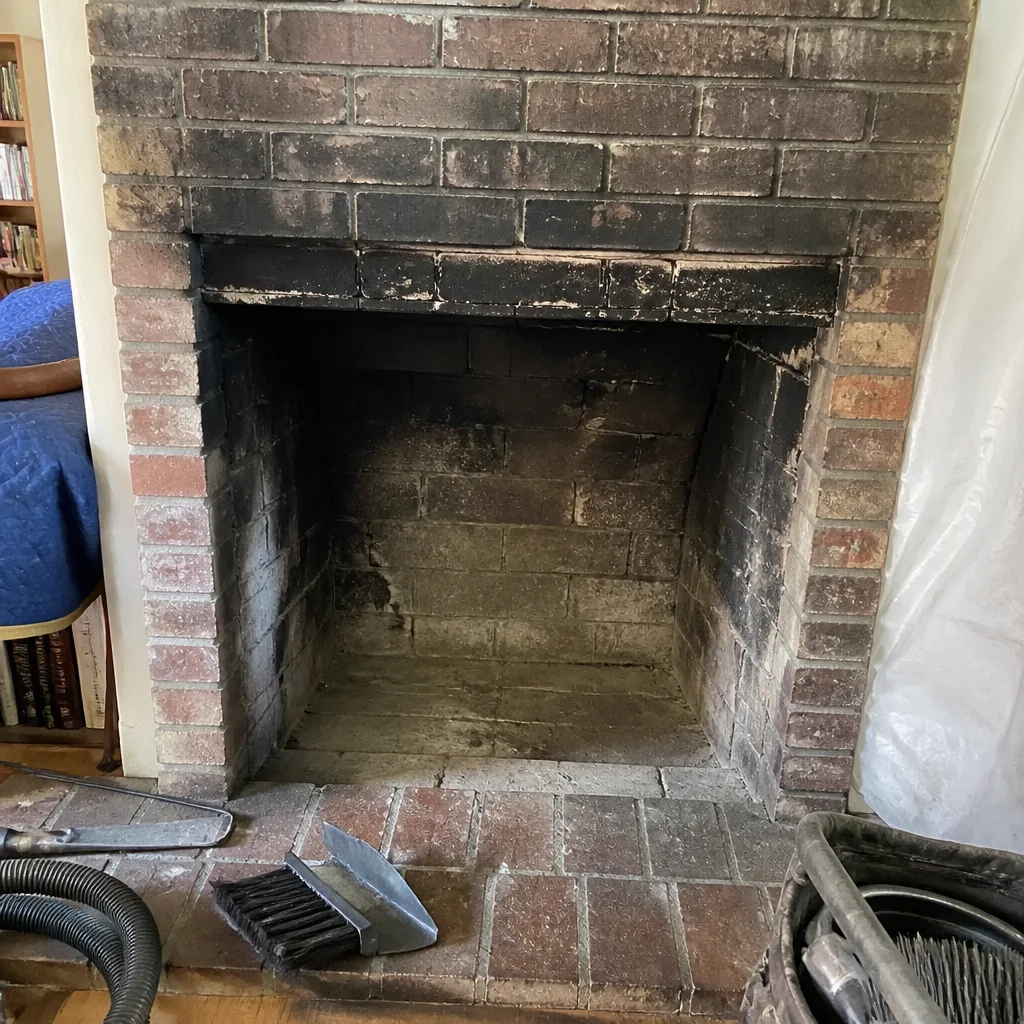 Before
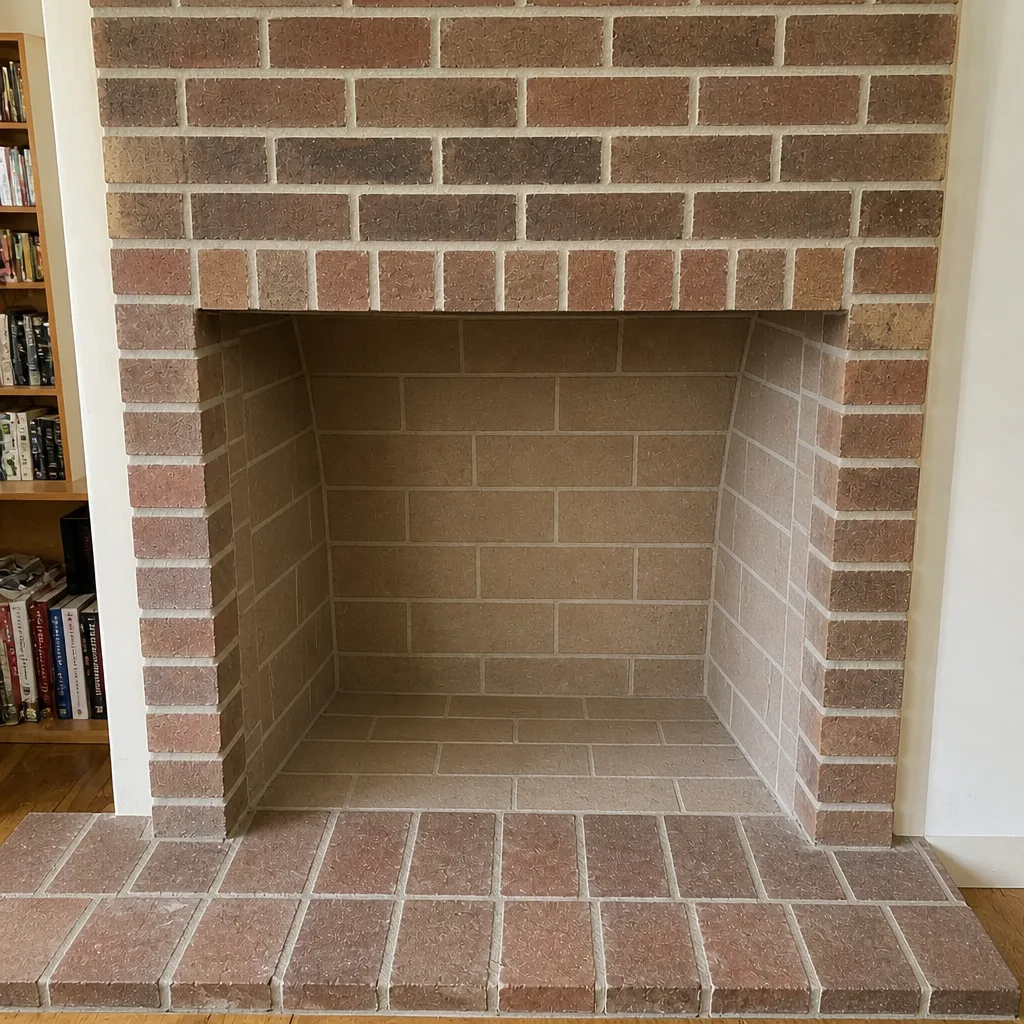 After
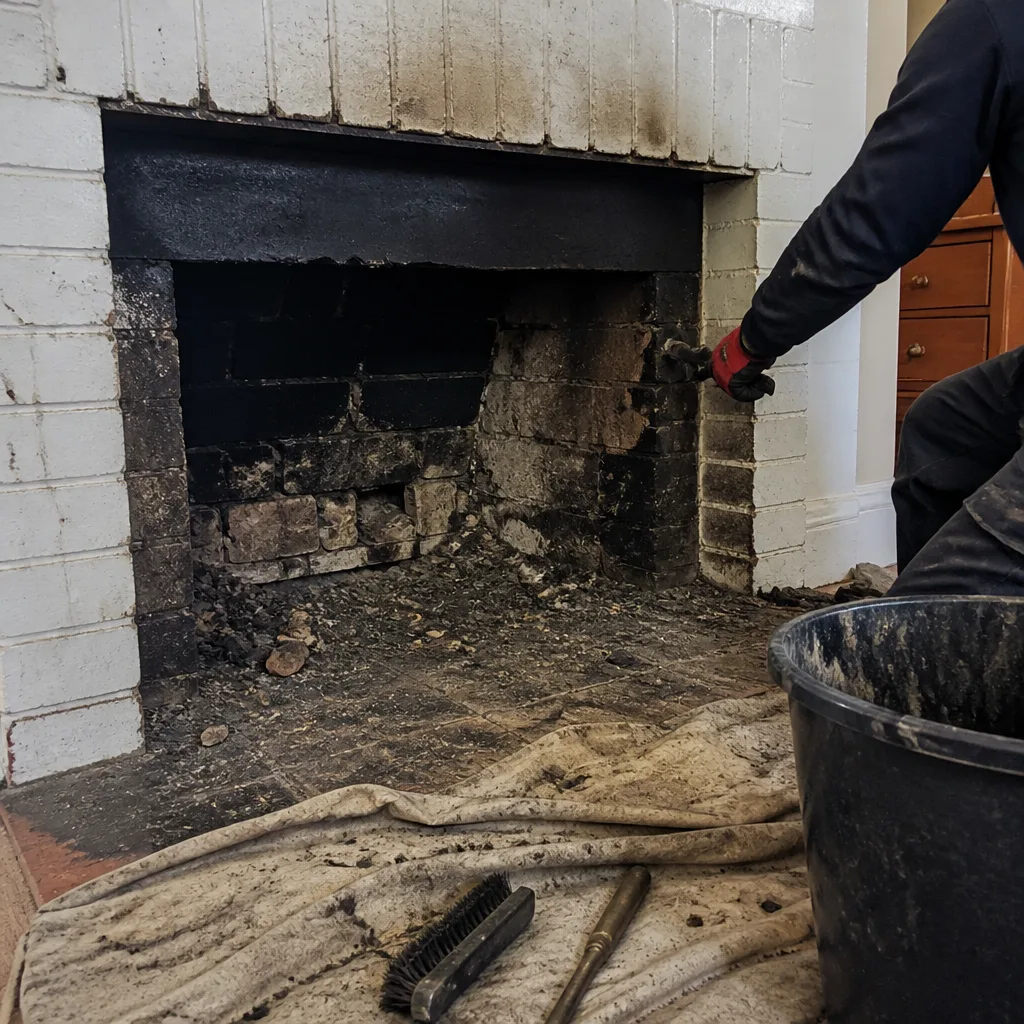 Before
 After
 Before
 After
When to Call a Professional
Some symptoms are worth a phone call before you touch anything. Smoke that won’t stop despite an open damper and a cracked window. A smell of gas near a gas fireplace. A fire in the flue, which means close the damper, get everyone out, and call 911 from a safe distance. Visible brown staining on the ceiling near the chimney. Crumbling mortar at a joint you can reach. Any suspicion that the liner has cracked, because that’s a carbon monoxide pathway. And any time it’s been more than a year since the last inspection, which is the simplest threshold there is.
Our team at Chimney Sweep West Seattle is a chimney-only specialist, and we work from the firebox to the crown so you don’t end up with two companies fighting over the diagnosis. Curious about a repair-first path for a fireplace repair? We look before we quote. Call (877) 447-9894 for a free estimate. We answer 24/7. Fast dispatch from 7am to 7pm, Sunday through Friday.
Frequently Asked Questions
A standard sweep is a modest, per-job estimate that depends on the flue’s length, how much creosote has built up, and whether the appliance is wood or gas. We give you a flat price before we book anything, and we don’t add to it once we’re on site. The written estimate is the final price. Call (877) 447-9894 for an exact quote, which is free.
Smoke into the room with a clean flue almost always means a draft pressure problem, a damaged damper, or a flue that’s undersized for the appliance; a cleaning won’t fix any of those. Open a window an inch and see if the smoke clears; if it does, you’re running under negative pressure from weatherization, another exhaust fan or a short flue. Get that inspected before you book anything. Call (877) 447-9894 for a free estimate.
If the liner is cracked, offset or spalled, a full reline is sometimes the right call, but not always. HeatShield ceramic resurfacing restores a deteriorating flue at a lower cost than a full reline, and we only recommend it when the flue damage is within the range the product is designed to restore. You’ll see the camera photos before you decide. Call (877) 447-9894 for a free estimate.
Once a year for a wood-burning fireplace, and that annual sweep should come with an inspection. A gas fireplace doesn’t build creosote the way wood does, but the flue still needs an annual look for debris, animal nests and liner damage. Skipping a year is how small problems become repair bills. Call (877) 447-9894 for a free estimate.
The flue keeps accumulating creosote, the moisture keeps working at the masonry and liner, and the carbon monoxide pathway gets wider with every cold season. A small creosote fire can be out before you notice it, but it can also crack the flue tile in a way that only a Level 2 inspection will find. Skipping a year costs more than the sweep ever would. Call (877) 447-9894 for a free estimate.
Creosote absorbs moisture, and damp air moving down the flue on wet days carries that smell back into the house. West Seattle’s long wet stretches make the problem more noticeable than it would be in a drier climate, and it doesn’t mean the fireplace is actively burning anything. A sweep removes the creosote that’s holding the smell. Call (877) 447-9894 for a free estimate.
The Bottom Line
Most chimney problems get misdiagnosed because the symptoms overlap. Smoke, odor and staining point at the same short list of components, but each one has a specific cause, and only an inspection tells you which one you’re looking at. Start with the symptom, rule out the obvious components, and treat any question you can’t answer from the firebox as a reason for a proper look. West Seattle homeowners do best when they treat a chimney as a whole system rather than a flue that needs brushing. A chimney-only specialist from the firebox to the crown is what we are and what we offer. And when the report comes back, the written estimate sets the final price.
Ready to stop guessing? Visit us at Chimney Sweep West Seattle to see the full scope of what we cover.
Call (877) 447-9894 for a free estimate. We answer 24/7. Fast dispatch from 7am to 7pm, Sunday through Friday.
Written by the team at Chimney Sweep West Seattle.