
Last updated November 25, 2026
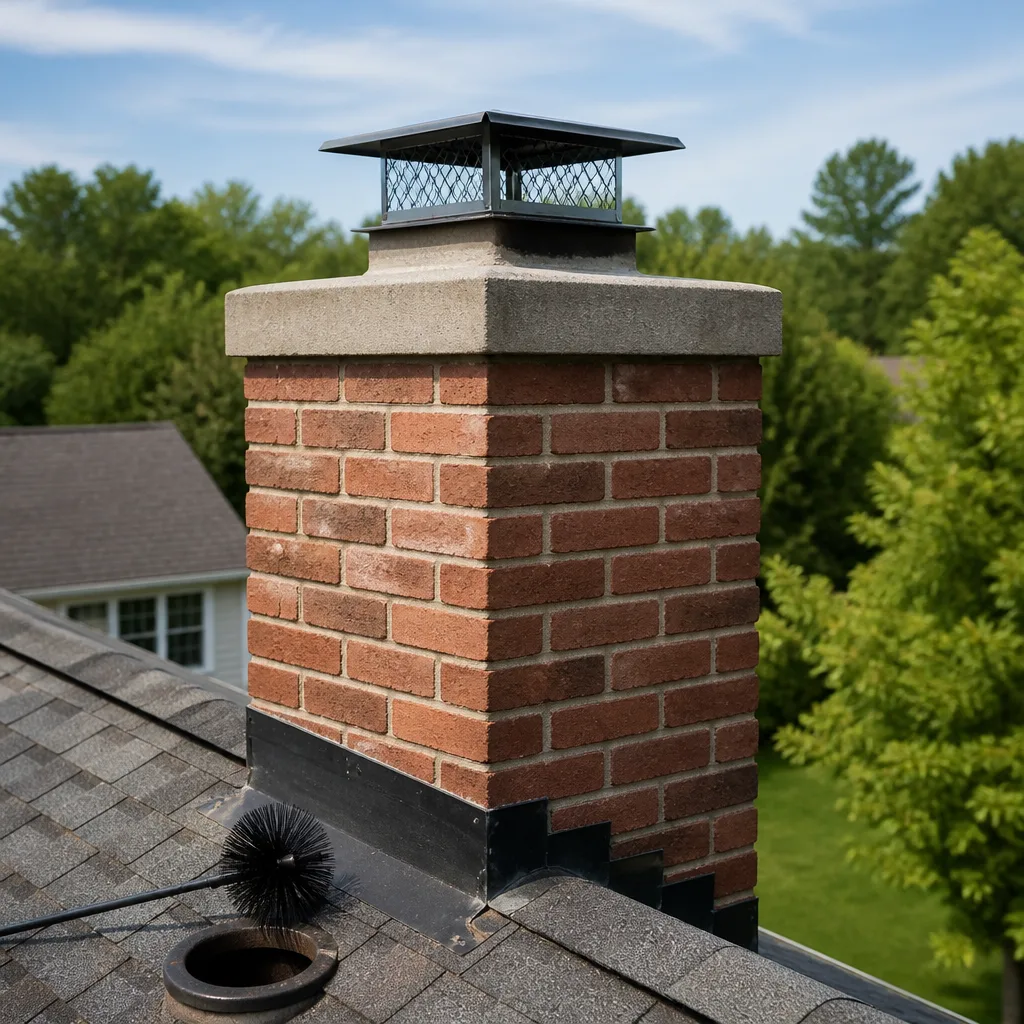 Sweep & inspection
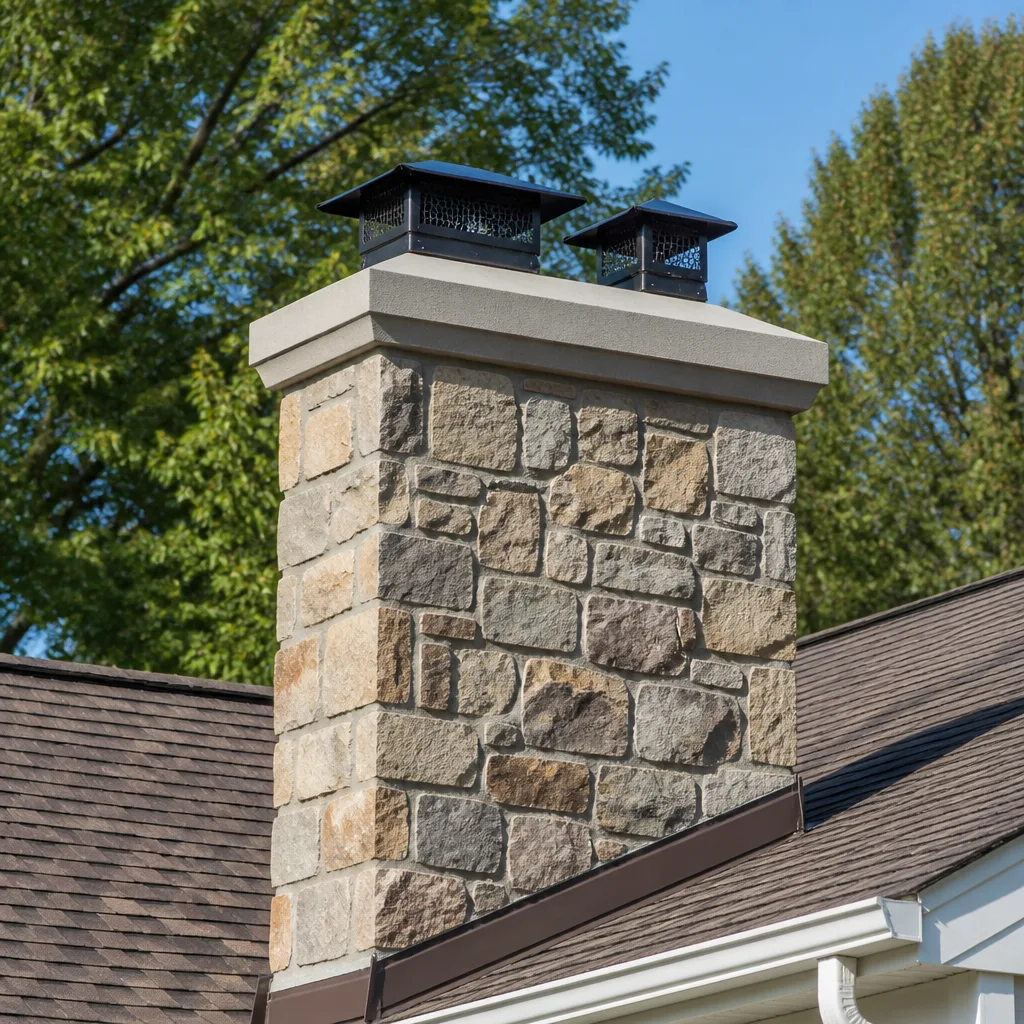 Caps & crowns
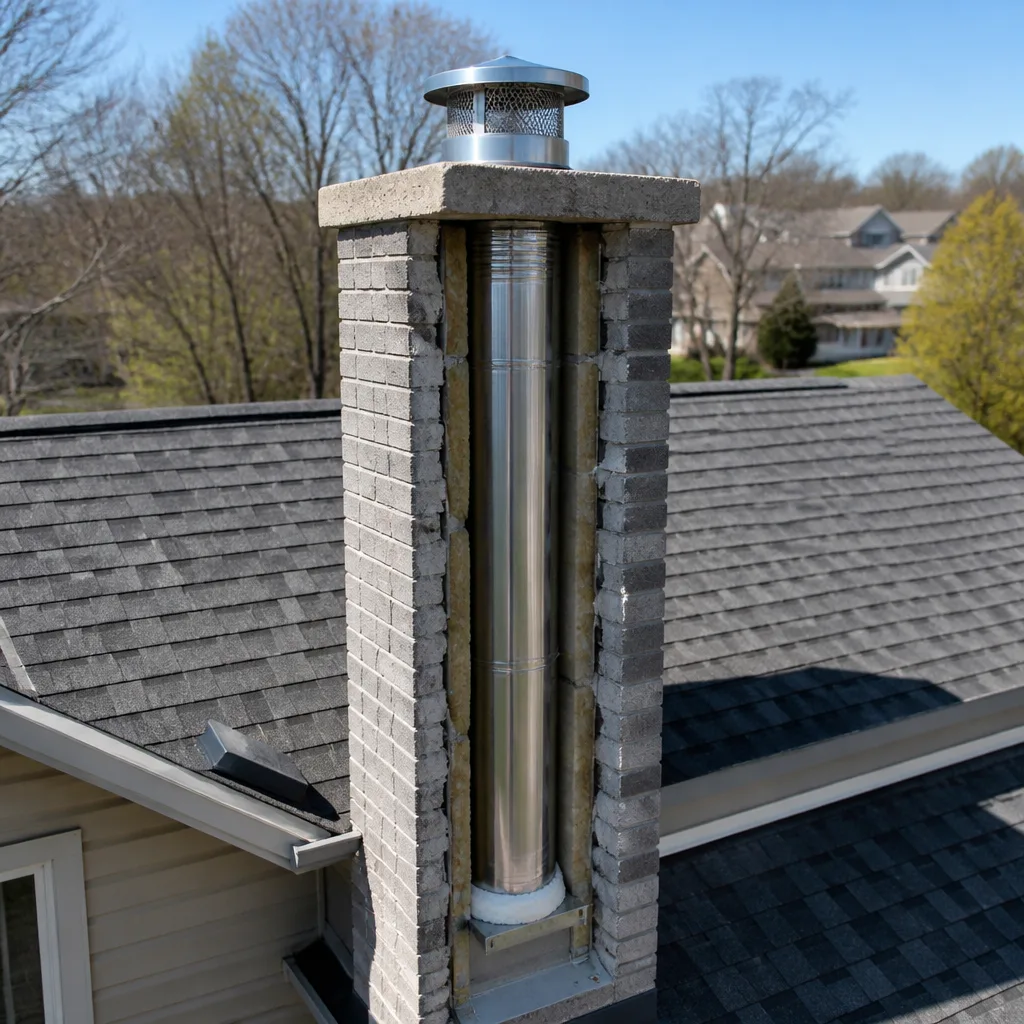 Flue relining
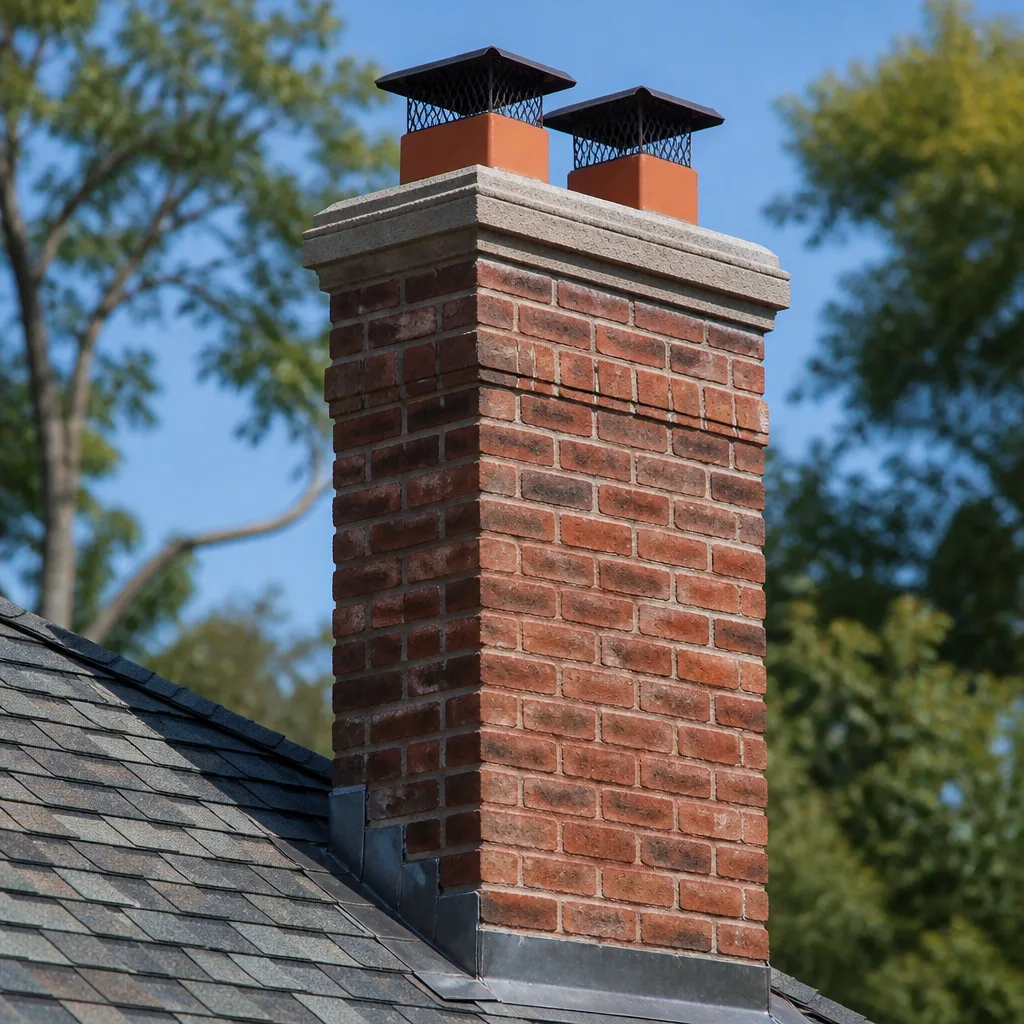 Masonry repair
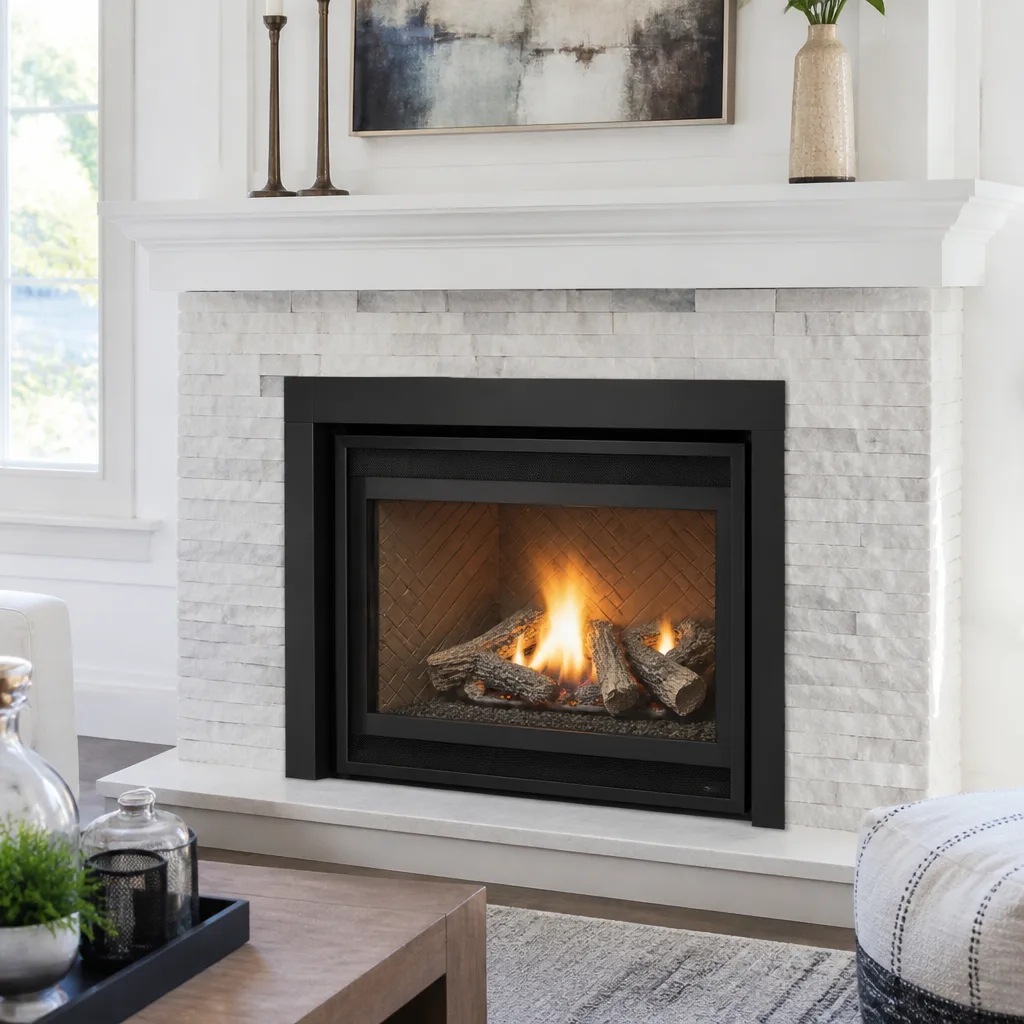 Gas fireplace service
Level 1 sweep and inspection to the NFPA 211 annual standard - flue, crown, cap, and flashing checked and photographed
Chimney sweep logs do not sweep chimneys. They loosen some creosote - which then falls where a brush and vacuum still have to collect it.
The Complete Guide to Chimney Cleaning in West Seattle
Most chimney fires in the Pacific Northwest aren’t caused by burning too much wood. They’re caused by burning too little, too cool. When a West Seattle winter turns mild, homeowners throttle back the fire, close the damper down, and stretch each cord of wood through the season. That smoldering, low-temperature burn is precisely what lays down the sticky, glassy stage-2 creosote that ignites. This guide maps the full cleaning process to West Seattle’s actual conditions: marine moisture, mild wet winters, and the older craftsman housing stock that dominates the neighborhood. You’ll learn how to read a sweep’s report, when a Level 2 inspection actually matters, and how to do the cleaning-frequency math for your own fireplace.
Quick Answer
Chimney cleaning in West Seattle should happen once a year for most wood-burning fireplaces, or after every cord of wood burned, whichever comes first. A professional cleaning includes a full flue sweep plus a Level 1 inspection, and a Level 2 camera inspection is warranted whenever the chimney has had a wet season of heavy use, a change in appliance, or visible staining. The cleaning reveals what the fire left behind; the inspection tells you whether it’s safe.
Styles & brands we work with
- Sweep & inspection
- Caps & crowns
- Flue relining
- Masonry repair
- Gas fireplace service
Table of Contents
- Why West Seattle’s Climate Changes the Creosote Story
- Stage-1, Stage-2, and Stage-3 Creosote: What Actually Builds Up
- Level 1, 2, and 3 Inspections: Which One Do You Need?
- What Cleaning Exposes in Older West Seattle Craftsman Chimneys
- What a Professional Sweep Is Actually Documenting
- The Cleaning-Frequency Math for Your Appliance and Wood
- What Happens During a Professional Cleaning: Step by Step
- Professional-Grade Materials vs. Hardware-Store Substitutes
Why West Seattle’s Climate Changes the Creosote Story
Chimney guides written for New England or the Rocky Mountains assume a long, cold winter where the fire burns hot for months. West Seattle doesn’t work that way. Our winters are mild and wet, and many homeowners run the fireplace intermittently: a fire in the evening, nothing during a warm spell, then a fire again when the rain returns. Each cold start and each damp shoulder season adds another layer of incompletely burned fuel to the flue. That pattern is the core of the local creosote problem.
The moisture matters too. West Seattle sits in a marine climate, and chimney exteriors and masonry absorb ambient damp through the wet months. A chimney that stays cool on the outside stays cooler on the inside, which drops flue-gas temperatures and encourages condensation of unburned wood gases onto the flue walls. Cool flue, damp masonry, and short intermittent fires are a combination that inland climates simply don’t produce in the same way. The result is that a West Seattle chimney can build up stubborn stage-2 creosote even on a modest wood supply.
Compare that with a colder inland climate where homeowners burn hot, continuous fires all winter. Hot fires send flue gases up fast and hot, scouring the flue and leaving lighter, flakier deposits. Mild-climate burning does the opposite. So if you’ve been told that “one chimney cleaning a year is plenty” by a national guide, understand that the local math can differ. In West Seattle, how you burn matters as much as how much you burn, and the flue tells the story at cleaning time.
Our technicians have up to 14 years of experience reading that story across the neighborhood, from Fauntleroy to Alki to the older streets above the Junction. If you want a baseline, our chimney sweep service includes the inspection that tells you where your flue actually stands.
Stage-1, Stage-2, and Stage-3 Creosote: What Actually Builds Up
Not all creosote is the same, and the difference is exactly what a sweep is looking for. The three recognized stages describe how combustible the deposit has become and how hard it is to remove. Understanding them helps you read your own report and understand why a cleaning estimate can vary.
- Stage 1: Soot and light, flaky creosote. It brushes off easily. This is what a hot, efficient fire leaves behind and what annual cleaning handles without extra effort.
- Stage 2: Dense, crusty, sometimes glassy deposits that cling to the flue walls. This is the creosote associated with smoldering fires and reduced draft. It often needs mechanical removal, and it’s the reason intermittent burning patterns in a mild climate deserve attention.
- Stage 3: A thick, hardened, glazed coating that has baked onto the flue. This is the most combustible form and the one most associated with chimney fire risk. Removing it can require specialized rotary tools, and in some cases it signals that a liner needs repair or resurfacing.
Here’s what most people miss: the stage of creosote on your flue has more to do with how you burned than with how many cords you burned. A homeowner who loads the fireplace with damp, unseasoned wood and starves it of air will build stage-2 deposits faster than a neighbor who burns dry, seasoned wood hot and clean. That’s why we say the cleaning report and the burn habits are tied together.
When stage-3 glazing or a damaged flue turns up, the fix isn’t always a full reline. Where the flue is structurally sound but the surface has broken down, HeatShield ceramic resurfacing can restore it at a fraction of the cost of replacement. We inspect before we recommend, so the option you hear about is the one your flue actually needs.
Level 1, 2, and 3 Inspections: Which One Do You Need?
The National Fire Protection Association defines three inspection levels, and the level you need depends on what happened to the chimney since it was last checked. Most West Seattle homes fall into one of the first two categories, and the distinction matters when you’re deciding how much of an inspection to book.
- Level 1: A visual check of the accessible parts of the chimney and flue with basic tools. This is the standard inspection built into an annual cleaning. It’s appropriate when there’s been no change in how the chimney is used and no known problem.
- Level 2: Everything in Level 1 plus a video camera inspection of the full flue interior, including areas not visible from the firebox or the top. This is what you want after a wet season of heavy use, a change in appliance, a listed property sale, or any evidence of a past chimney fire. Most West Seattle homes benefit from a Level 2 periodically, given our burn patterns.
- Level 3: A diagnostic inspection that may involve opening walls or removing parts of the chimney to access problem areas. This is reserved for a specific confirmed or suspected hazard that can’t be assessed otherwise.
In practice, most West Seattle cleaning visits involve a Level 1 inspection, and we’ll recommend a Level 2 when the flue condition, the burn habits, or a wet season of evidence make it the right call. The camera doesn’t lie: it shows the homeowner the flue interior as it is, which is why we document the findings with photos. A Level 3 is rare, and it’s reserved for cases where a hazard has already been identified and needs to be opened up to address it.
Our formal chimney cap & crown work is paired with inspection for the same reason: a cap that should be protecting the flue is exactly where problems show up first, and we’d rather catch and fix them in one visit than flag them and leave for later.
What Cleaning Exposes in Older West Seattle Craftsman Chimneys
West Seattle has a lot of older craftsman and pre-war homes, and their masonry chimneys have specific vulnerabilities that cleaning makes visible. This is where the local housing stock matters: a cleaning on a 1920s brick chimney is a different job from a cleaning on a newer one, and the report reflects it.
Older brick chimneys are built with mortar joints, and those joints weaken over decades of heating, cooling, and moisture cycling. In our wet climate, the freeze-thaw cycles and the constant damp accelerate mortar deterioration. During a cleaning, a sweep sees the throat, the smoke chamber, the damper area, and the firebox for the first time in a year or more. Cracked mortar joints, spalling brick, and a failed crown are common findings, and the cleaning is often the first chance to catch them before they grow.
Cleaning exposes these problems but doesn’t fix them. That’s an important distinction for homeowners to understand: the sweep clears the hazard out of the flue so you can see the condition, and the inspection documents what needs repair. A masonry chimney that has loose mortar around the firebox or a crown that’s cracked and holding water needs structural repair, not another cleaning. If a rebuild or repair is needed, that’s a separate scope of work, and we’d tell you plainly rather than bundling it into a sweep.
Older craftsman fireplaces also often have a smoke chamber that was built with corbelled brick, which is rougher and collects creosote faster than a modern smooth flue. That’s another reason the local cleaning frequency can run ahead of a national rule of thumb.
What a Professional Sweep Is Actually Documenting
A professional chimney cleaning is not just a brush down the flue. The sweep is documenting the condition of the entire system and giving you a record you can compare year to year. Knowing what’s in that record helps you ask the right questions and understand what a fair estimate looks like.
Here’s what a real cleaning report covers:
- Flue condition: the stage of creosote observed, any cracked or missing tiles, and whether the flue liner is intact.
- Smoke chamber and damper: whether the damper seals, and whether the smoke chamber has gaps or heavy buildup.
- Firebox: cracked or spalled firebrick and failed mortar joints.
- Crown and cap: whether the crown is cracked or holding water, and whether the cap is present, correctly sized, and in good repair.
- Exterior: spalling brick, visible cracks, and any evidence of water intrusion.
- Photos and a written summary: the camera findings, so you can see what the sweep sees and track changes year to year.
Reading that report is straightforward when it’s done right. Look for specifics: a stage number for the creosote, a yes-or-no on liner integrity, and a note on the crown. If a report just says “swept, looks fine,” ask for more. The value of a documented inspection is that it gives the homeowner evidence, not just assurance. We inspect before we recommend, and when a repair is suggested, we show the camera photo that justifies it. Where work can safely wait a season, we say so.
The Cleaning-Frequency Math for Your Appliance and Wood
The usual rule is “sweep once a year or after one cord of wood, whichever comes first.” That’s a starting point, but the real number depends on your appliance, the wood you burn, and the hours your fire actually runs. Here’s how to do the math for your own fireplace.
- Count your burn hours. A West Seattle fireplace that runs most evenings through the wet months might see a few hundred hours of actual fire time. A weekend-only fire sees far fewer. Your burn hours are the biggest variable in creosote buildup.
- Adjust for wood species. Western Washington offers a mix of softwoods and hardwoods. Denser hardwoods burn hotter and longer; softer woods can leave more creosote if they’re not seasoned dry. Seasoned, dry wood always beats green wood, regardless of species.
- Adjust for appliance type. A modern EPA-certified wood insert or a gas fireplace runs differently from an open masonry fireplace. Gas units still need cleaning and inspection, but the creosote profile differs. An open fireplace with cool, smoldering burns is the highest-risk case.
- Adjust for how you burn. Short, hot fires burn cleaner than long, starved fires. If you tend to damper the fire down to stretch a load, add to your expected cleaning frequency.
- Set the date. For most West Seattle wood-burning homes, one cleaning per season, booked ahead of the cold months, covers it. Heavier users may need to inspect mid-season.
The takeaway: the once-a-year rule is a good default, but if you burn cool and damp or damper heavily, treat it as a minimum rather than a maximum. A professional sweep can look at your flue and tell you whether your actual burn pattern is tracking ahead of the general rule.
What Happens During a Professional Cleaning: Step by Step
Knowing the sequence helps you understand what a real cleaning involves and why it takes the time it does. A proper sweep is a process, not a single brush pass. Here’s how a professional cleaning in West Seattle typically runs.
- Protect the room. Drop cloths and a containment setup go down before any tool touches the flue, so soot stays out of your living space.
- Inspect the accessible system. The technician checks the firebox, damper, smoke chamber, and flue opening, and looks up the flue with a light to assess creosote.
- Sweep the flue. Rotary or standard brushes sized to the flue clear the creosote and soot, working from the top or bottom as the setup allows.
- Run the camera when needed. For a Level 2, a video camera goes down the flue to document the liner and any hidden damage.
- Clean the firebox and smoke chamber. This is where a careful sweep separates itself from a quick one: the deposits around the damper and smoke chamber are cleared too.
- Check the crown and cap. The exterior is inspected for water intrusion, cracked crown, and a missing or damaged cap.
- Document and report. The technician photographs the findings and gives you a written summary with recommendations, including what can safely wait.
If the cleaning reveals a cap or crown problem, that’s often the moment to fix it, in the same visit. We install Gelco and Famco cap and cover products because chimney professionals specify them for durability. A cap that’s correctly sized and sealed keeps water and animals out, and it’s part of a full-system approach. For repairs to the firebox or damper, our fireplace repair work picks up where the inspection leaves off.
Professional-Grade Materials vs. Hardware-Store Substitutes
When a cleaning leads to a repair, the material choice matters more than most homeowners realize. A chimney liner, cap, or crown is exposed to heat, moisture, and combustion byproducts for years. Hardware-store substitutes may fit the price point but not the conditions. Professional chimney work uses materials specified by tradespeople who install them every day.
We source from professional chimney supply brands: DuraFlex flexible liner systems for relining, HeatShield ceramic resurfacing for flue restoration, Olympia Chimney and Copperfield for parts and components, and Gelco and Famco for caps and covers. These are the same materials certified chimney professionals across the country rely on, not off-the-shelf substitutes. When a flue is deteriorated but structurally sound, HeatShield resurfacing means we can restore rather than replace, and that’s a repair option worth asking about when a reline is quoted.
Materials tie directly into the local thesis here. A damp West Seattle flue that’s been running cool needs a liner and cap that handle moisture and heat cycling. Sourcing the right component is part of doing the job correctly. For more on how we approach the whole system, see our Chimney Sweep West Seattle overview.
Common Mistakes to Avoid
- Burning cool to “save wood.” Damping the fire down for a long smolder stretches your wood supply but lays down stage-2 creosote fast. In a mild West Seattle winter, this is the most common cause of heavy buildup.
- Burning unseasoned wood. Green or damp wood spends its heat driving off water instead of burning clean, and wet wood in a wet climate is a double problem. Season it dry before it goes in the firebox.
- Skipping the inspection because the flue “looks fine.” The dangerous deposits are inside the flue, not visible from the hearth. A cleaning without a documented inspection leaves you without the evidence to make a decision.
- Hiring a general handyman with a brush. A chimney is a specialist system. A multi-trade service that sweeps on the side won’t have the camera, the professional materials, or the focused experience to catch a failing liner before it becomes a repair.
- Ignoring the crown. A cracked crown lets water into the masonry, and in this damp climate that shortens the life of the whole chimney. Fix the crown when the inspection finds it, not a year later.
- Waiting for a smell or a draft problem. A blocked or restricted flue can show up as poor draft, smoke in the room, or nothing at all until it’s a hazard. Clean on a schedule, not on symptoms.
- Assuming gas means no cleaning. A gas fireplace produces less creosote, but it still needs inspection and cleaning of its venting and components. Don’t assume the appliance type removes the need.
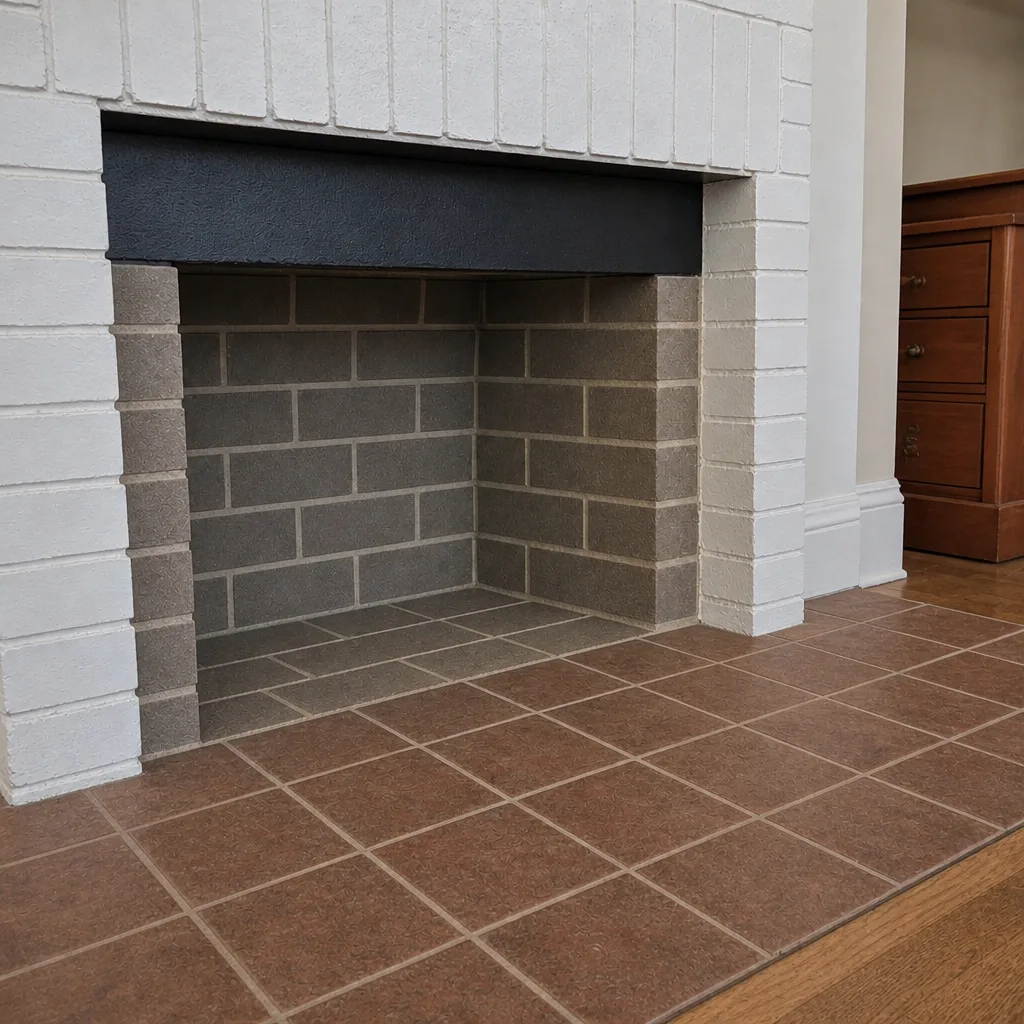
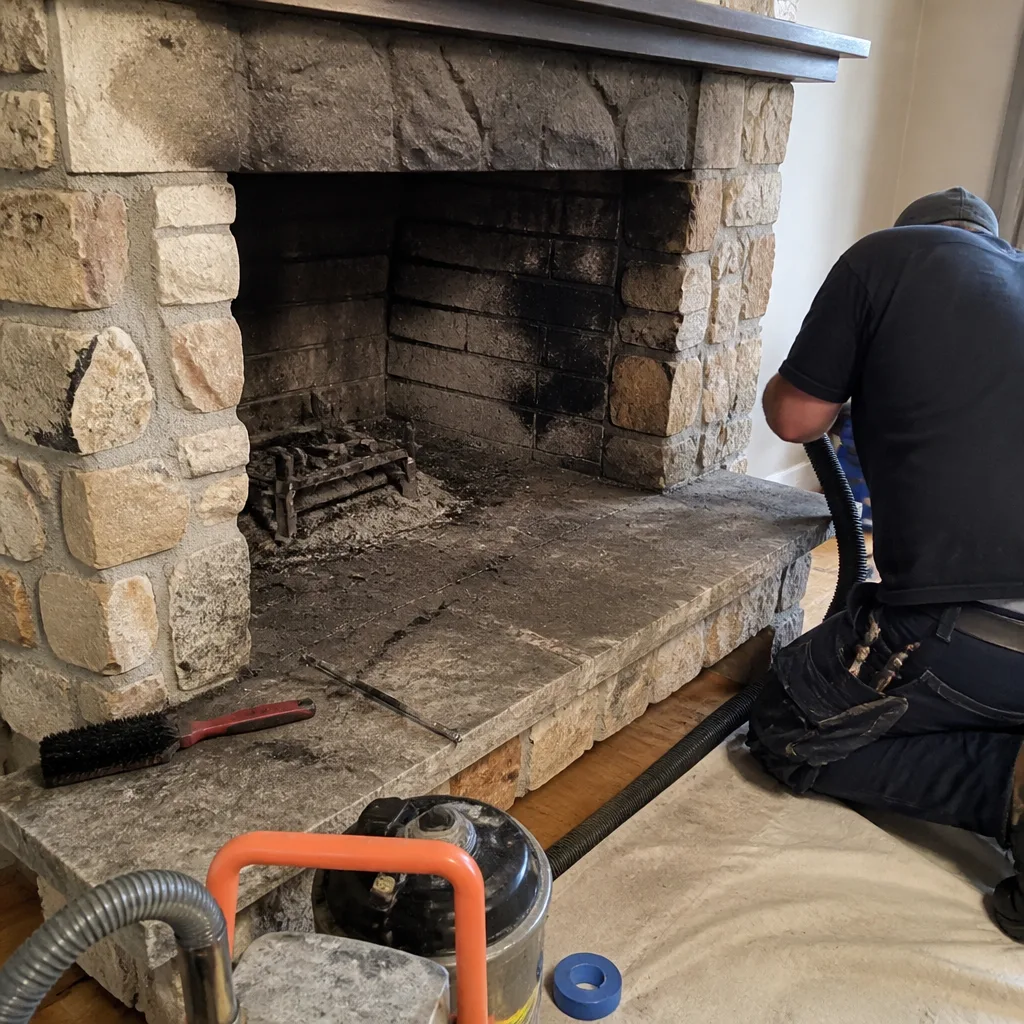
See the difference
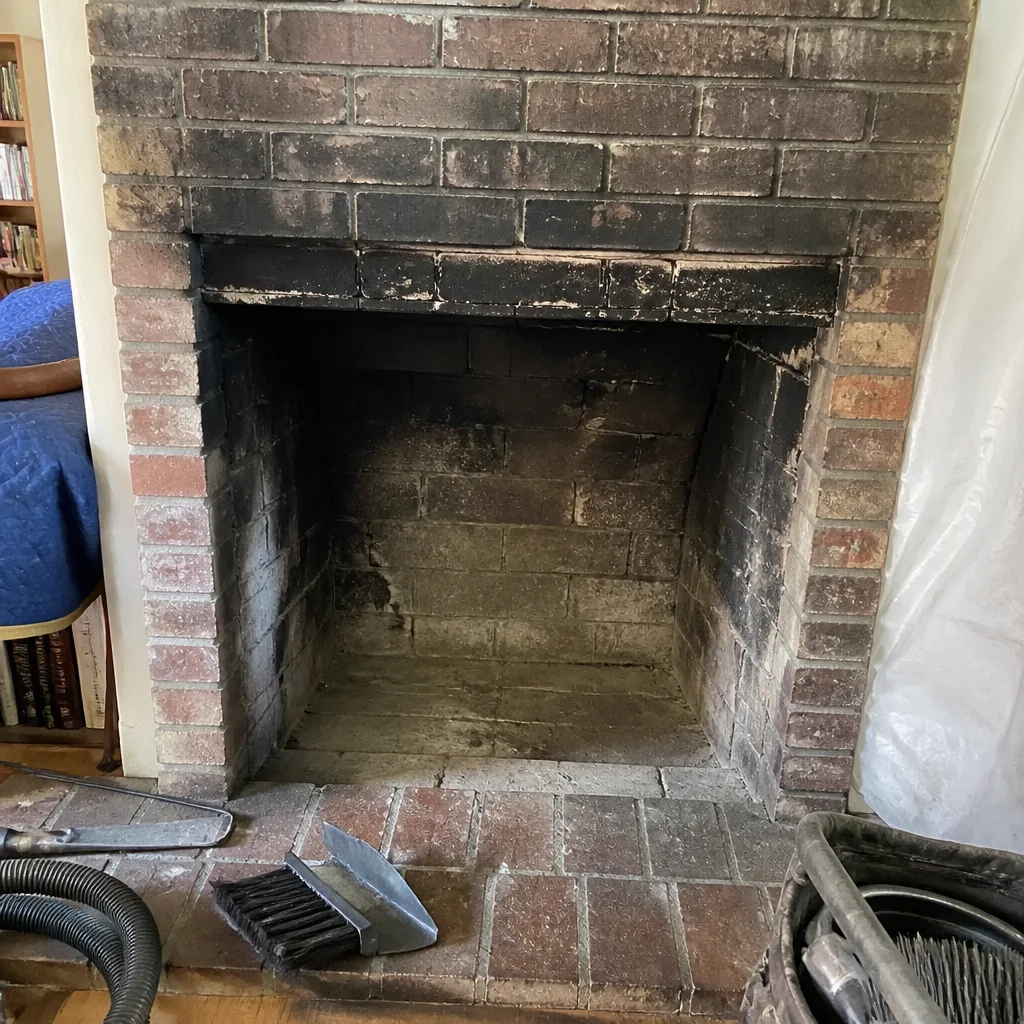 Before
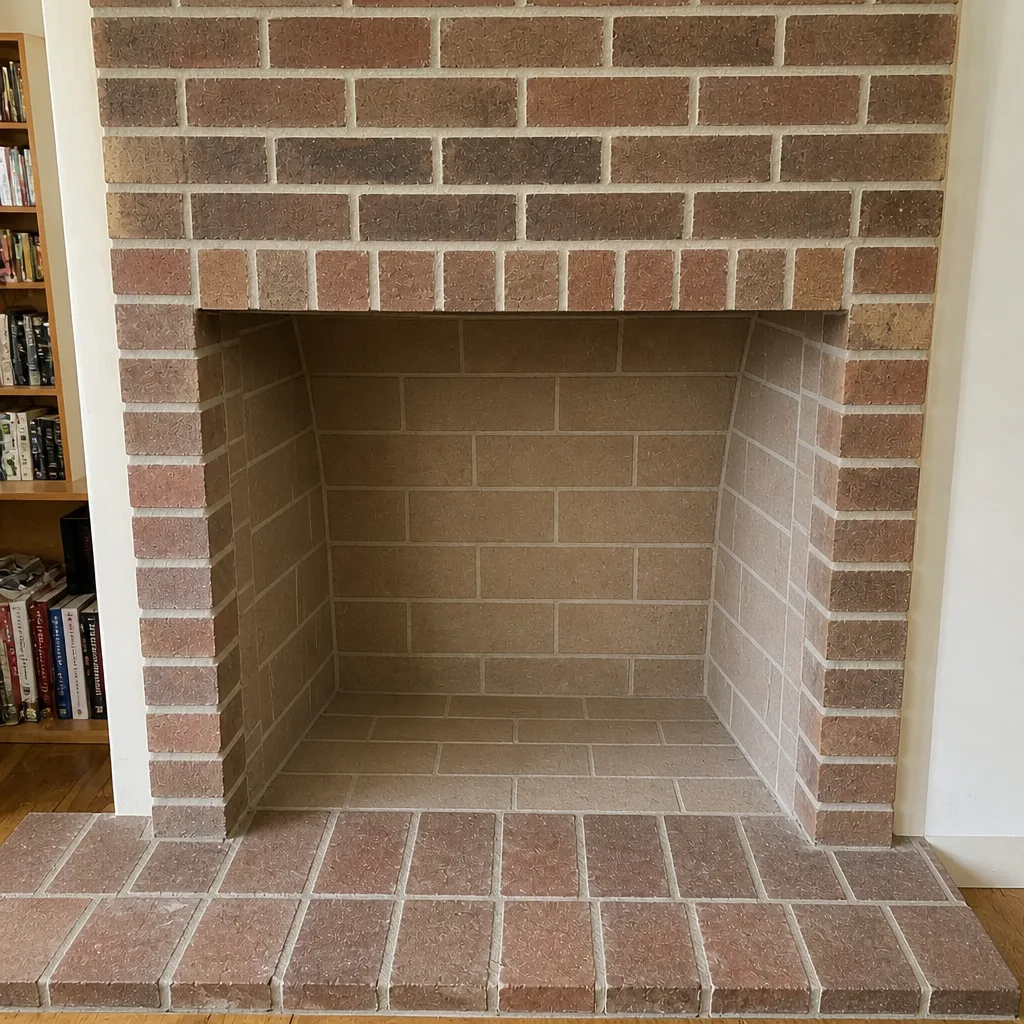 After
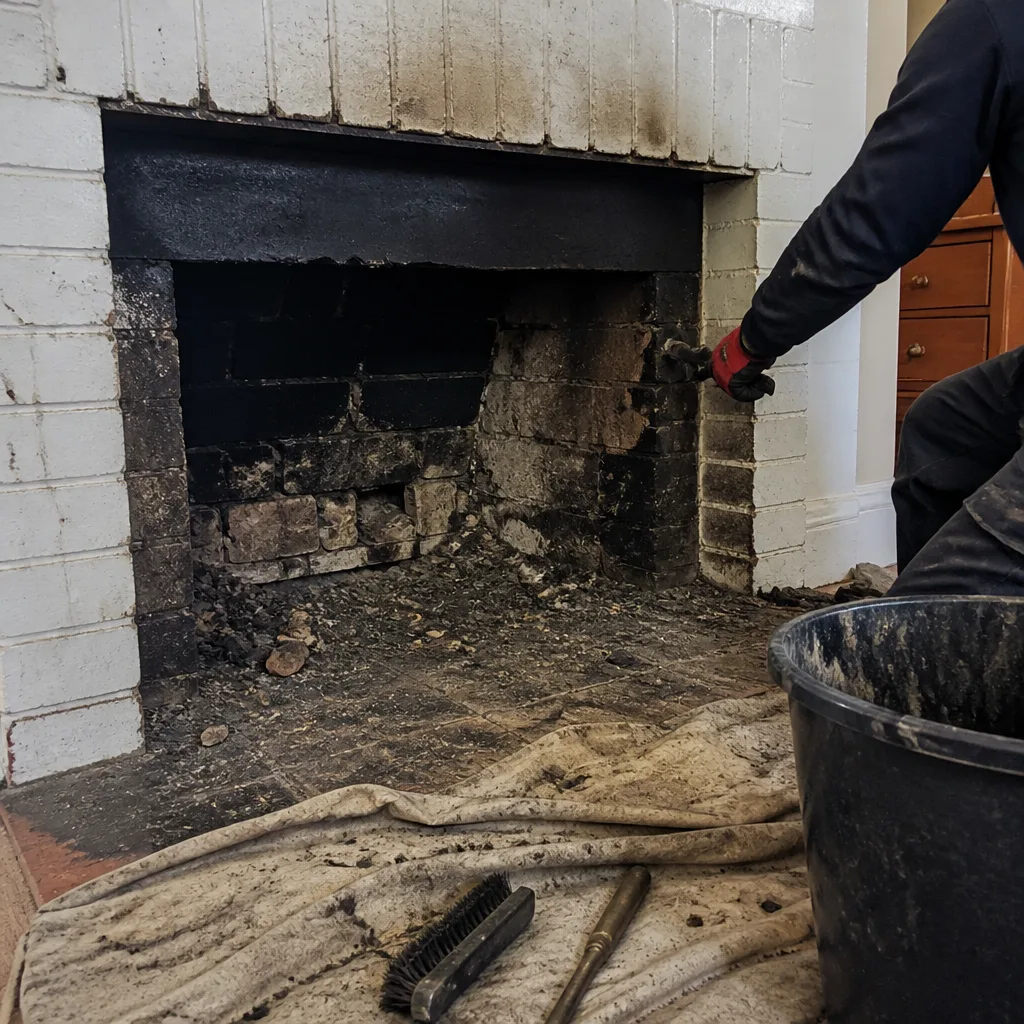 Before
 After
 Before
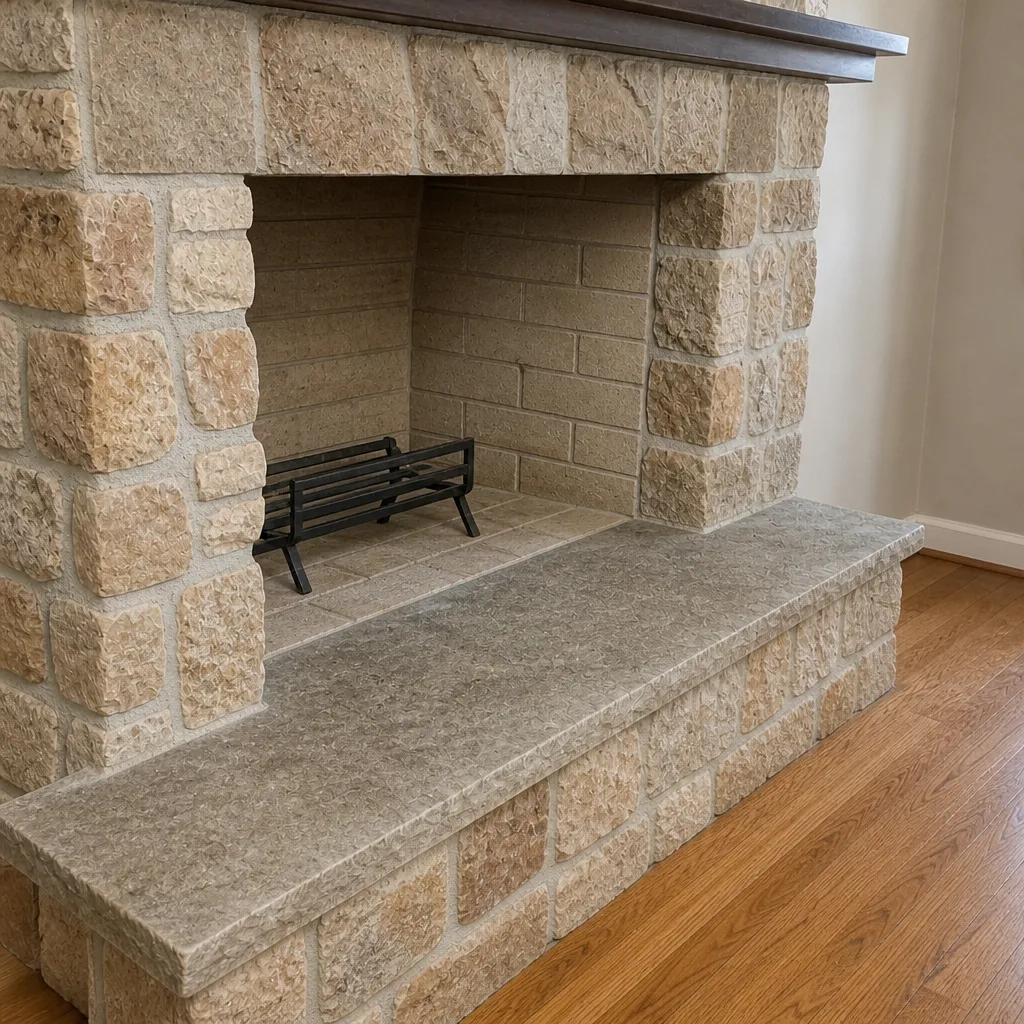 After
When to Call a Professional
Call a professional when you’ve burned a season’s worth of fires and don’t have a documented inspection from this year. Call when you notice smoke backing into the room, a damper that won’t seal, or staining around the chimney on the exterior. Call if your firebox shows cracked firebrick or loose mortar, if the crown is cracked, or if you’ve had any chimney fire, even a small one. Call when you change appliances, buy a home in West Seattle, or switch to a new wood supply. These are the scenarios where a proper inspection-and-cleaning visit pays for itself in what it catches. Chimney Sweep West Seattle offers free estimates in West Seattle. Call (877) 447-9894. We answer 24/7. Fast dispatch from 7am to 7pm, Sunday through Friday.
Safety is the reason to act, not a sales tactic. A chimney fire and carbon monoxide are both real risks of a neglected flue, and a professional visit is how you check for them with evidence. If you’re ready to book, start with a cleaning and inspection, and we’ll tell you honestly what needs doing now and what can wait.
Frequently Asked Questions
A standard chimney cleaning in West Seattle typically includes the flue sweep and a Level 1 inspection, and the price is set per job by a written estimate after we see the chimney. Expect a Level 2 camera inspection to add to the cost, since it covers more of the flue. Call (877) 447-9894 for an exact quote. Estimates are free. We set the final price in writing before any work starts, so you agree to it before we begin.
Sweep once a year for most wood-burning fireplaces, or after every cord of wood burned, whichever comes first. In West Seattle’s mild, damp climate, if you burn cool or damper the fire down to stretch a load, treat once a year as a minimum. A Level 2 inspection periodically is smart given our intermittent burn patterns. Call (877) 447-9894 to book a cleaning and get a straight answer for your fireplace.
Not always. A liner replacement is needed when the existing liner is cracked, missing, or structurally failed. If the flue is sound but the surface has broken down, HeatShield ceramic resurfacing can restore it instead of relining. We inspect with a camera before recommending either one, and we show you the photo so you can decide with evidence. Call (877) 447-9894 for an inspection and estimate.
Creosote builds up inside the flue, and in its later stages it becomes highly combustible, which raises chimney fire risk. A restricted flue can also affect draft and let combustion gases back up. In this damp climate, a skipped cleaning also lets moisture-related damage and a failing crown go unnoticed. Call (877) 447-9894 to schedule a cleaning and inspection before the season.
Most annual cleanings include a Level 1 inspection, which is a visual check of the accessible system. A Level 2 adds a video camera inspection of the full flue and is warranted after a wet season of heavy use, a change in appliance, a home sale, or visible damage. A Level 3 is a diagnostic inspection reserved for a specific confirmed hazard. Call (877) 447-9894 and we’ll tell you which level fits your situation.
Yes, in many cases. Cleaning, inspection, and cap or crown work are all part of the same visit when the inspection finds a problem that should be addressed now. We carry professional materials, including Gelco and Famco cap products, so we’re not flagging something and leaving it for a later appointment. For a repair we can’t complete the same day, we’ll tell you the scope and set a written estimate. Call (877) 447-9894 to book.
The Bottom Line
Chimney cleaning in West Seattle isn’t a national-average job. Our mild, damp winters and the cool, intermittent fires homeowners burn to conserve wood create a specific creosote profile: more stage-2 buildup, more moisture-driven wear, and more reason to read the inspection report each year. The once-a-year rule is a good default, but your burn habits and wood decide the real number. A professional cleaning clears the flue and documents its condition, and a proper report shows you the evidence for any repair. That’s the whole point: clean, inspect, and know what you’re dealing with. One specialist, the whole chimney, from the firebox to the crown.
If you’re ready to schedule a cleaning and inspection, call Chimney Sweep West Seattle at (877) 447-9894 for a free estimate. We answer 24/7. Fast dispatch from 7am to 7pm, Sunday through Friday. Our technicians have up to 14 years of experience, and we work with your chimney as a whole system, from the annual sweep to any structural repair or liner work it needs.
Written by the team at Chimney Sweep West Seattle.