
Last updated November 25, 2026
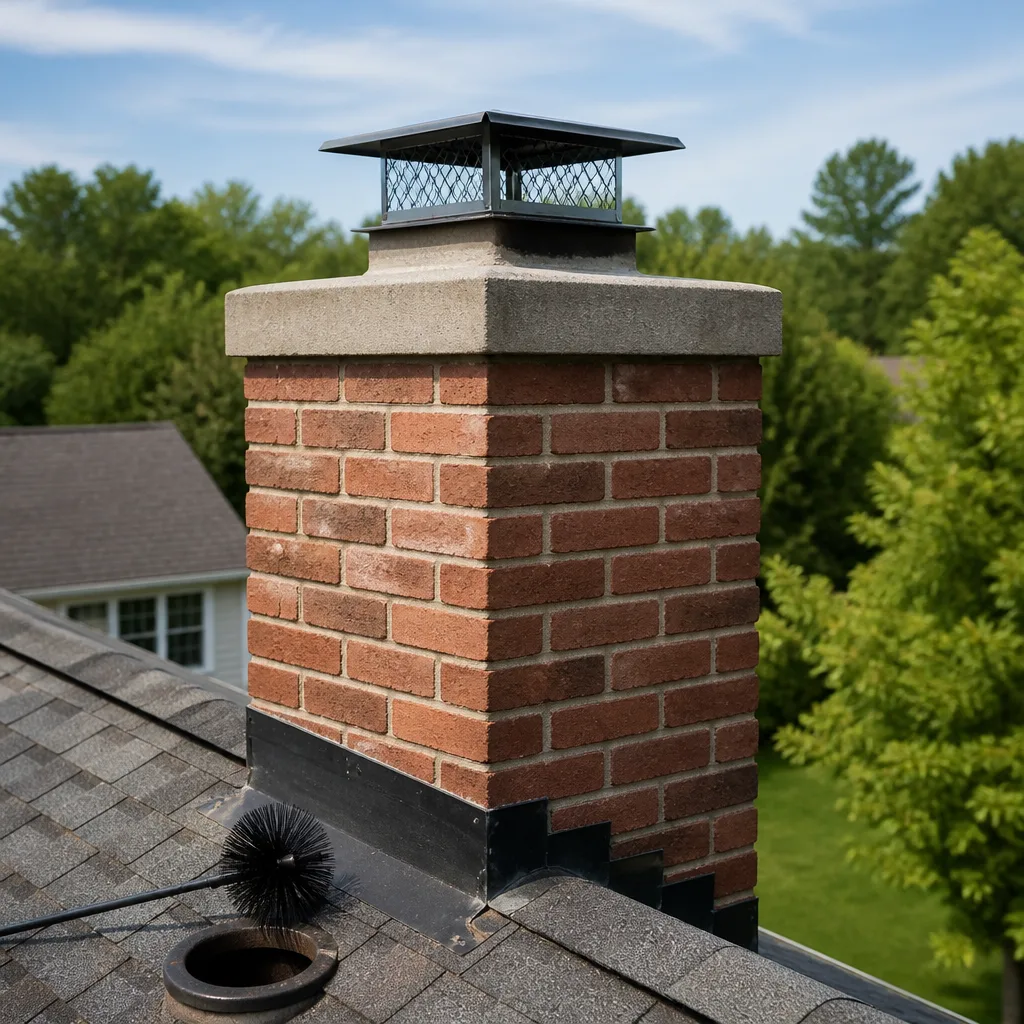 Sweep & inspection
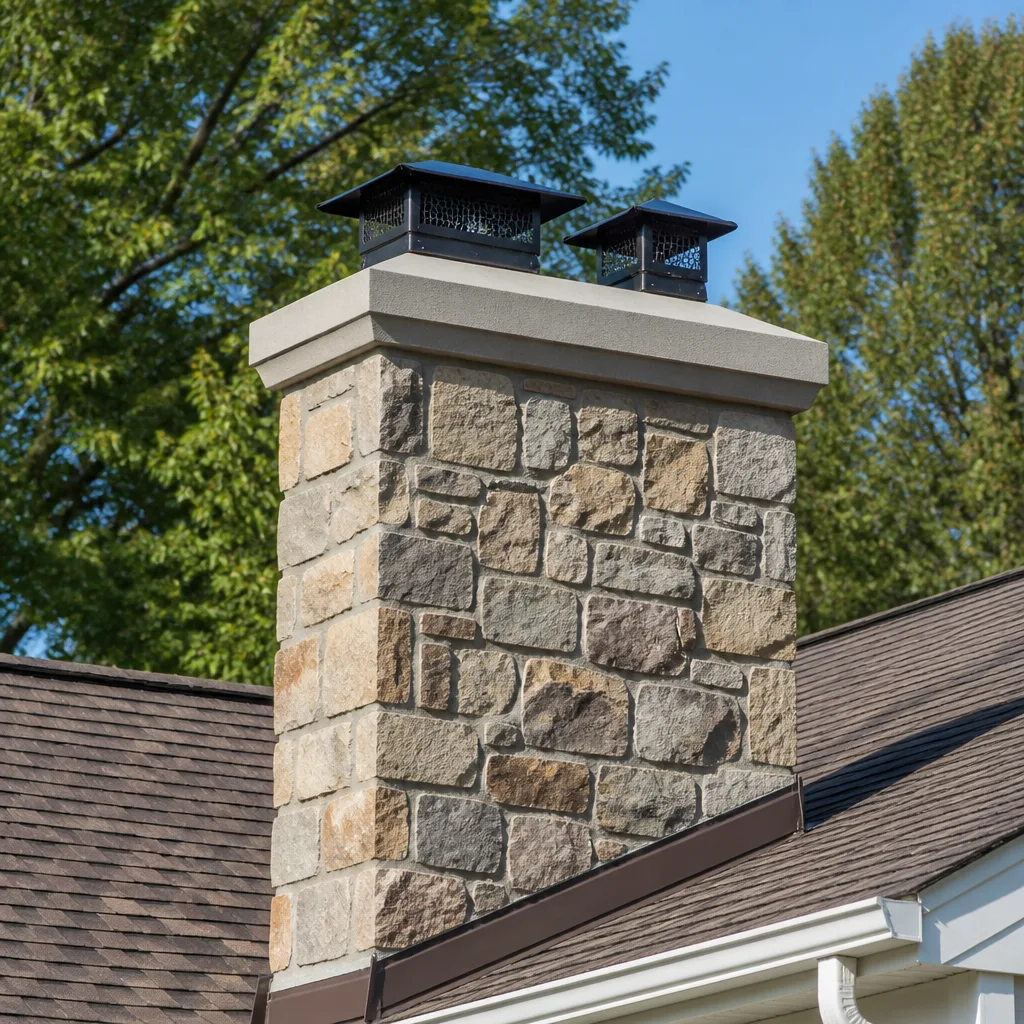 Caps & crowns
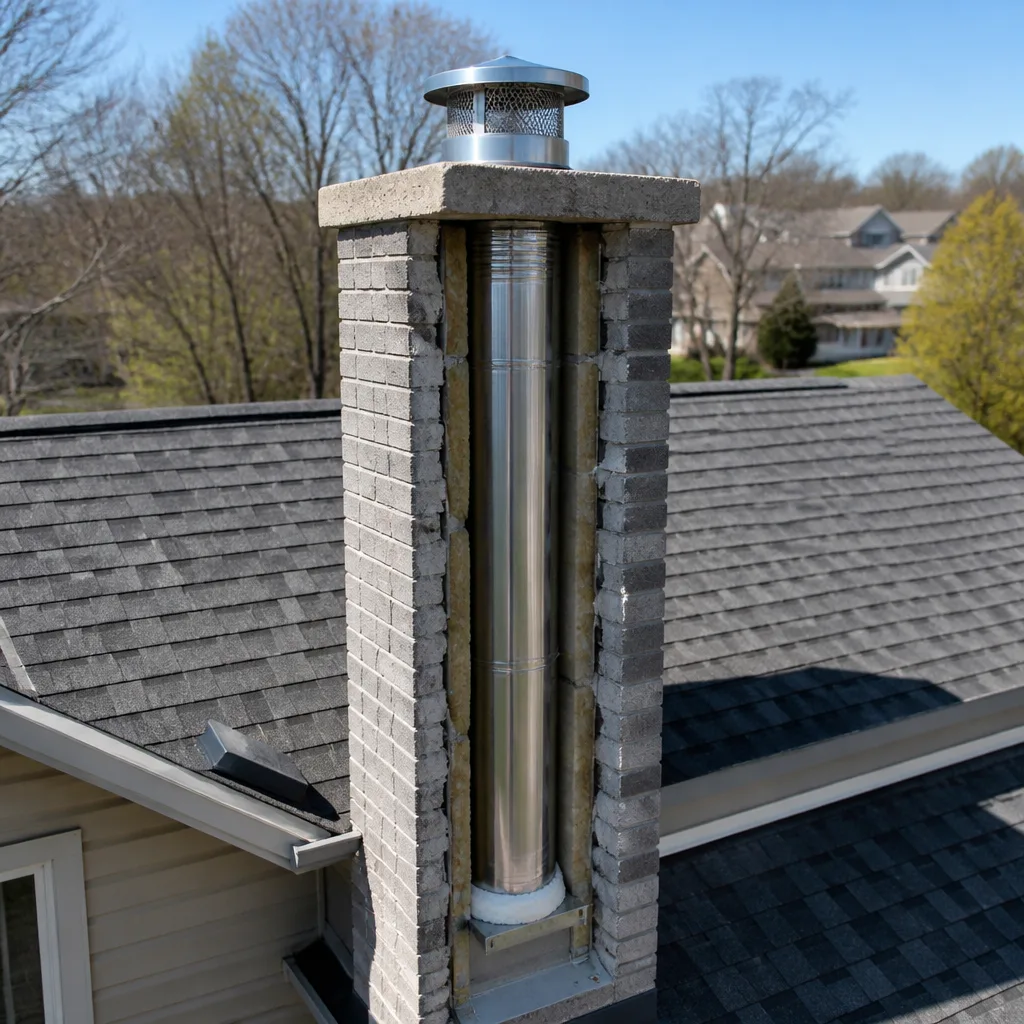 Flue relining
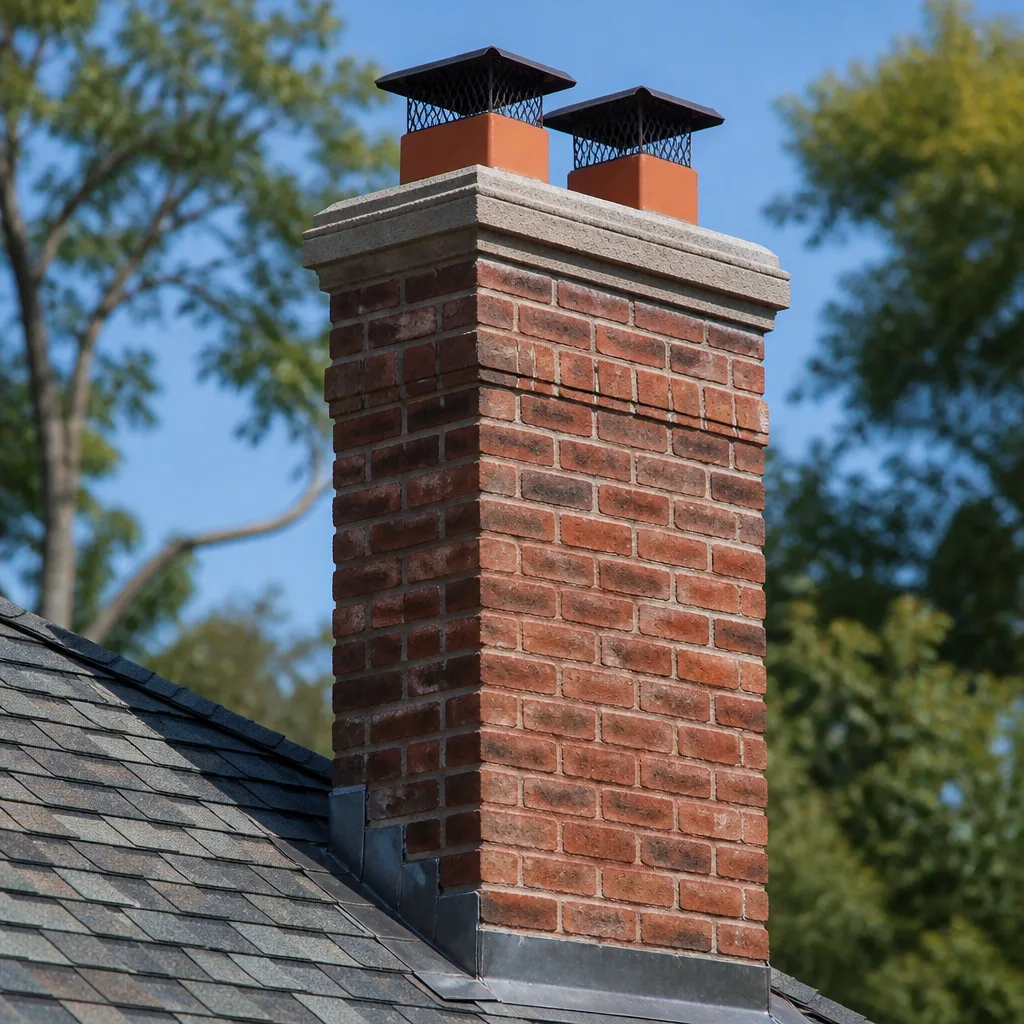 Masonry repair
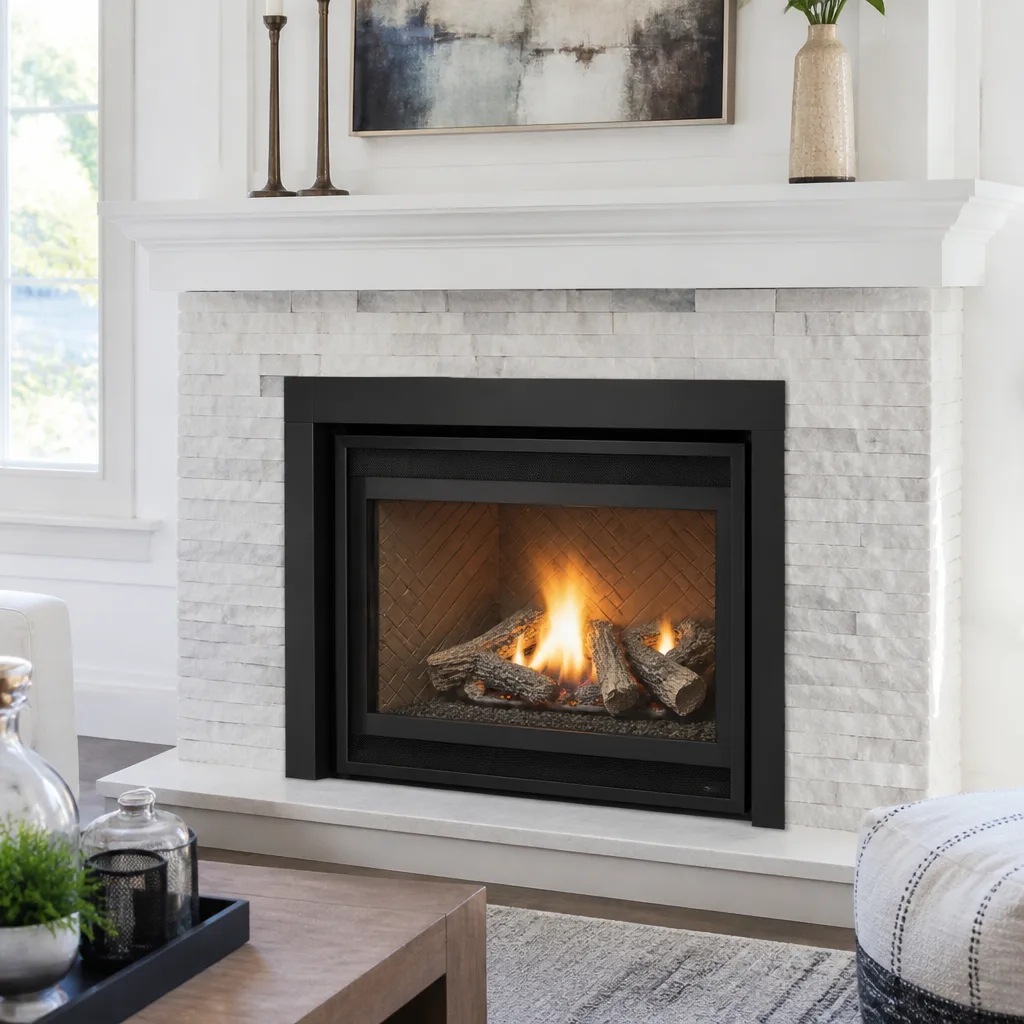 Gas fireplace service
Level 1 sweep and inspection to the NFPA 211 annual standard - flue, crown, cap, and flashing checked and photographed
Chimney sweep logs do not sweep chimneys. They loosen some creosote - which then falls where a brush and vacuum still have to collect it.
Chimney Sweep Maintenance Schedule: What to Do and When
Most homeowners treat a chimney like a car that only needs gas – light the fire, enjoy the warmth, forget about the rest. But NFPA 211, the national standard for chimneys, actually calls for an annual inspection, and it says nothing about checking creosote partway through a heavy burn season. That gap matters in West Seattle, where a fireplace that runs 60 or more nights between October and March can build glazed, third-degree creosote long before the next fall sweep. This guide lays out a real maintenance schedule – month by month, tied to how often you actually burn – so you know what to check yourself, what needs a certified sweep, and when to leave it alone.
Quick Answer
A chimney maintenance schedule is built in layers: an annual professional inspection and sweep, a mid-season creosote check if you burn more than about 60 fires a year, spring inspection of the cap, crown and mortar after West Seattle’s wet season, and simple visual checks you can do yourself every 10 fires. The annual sweep is the floor of the schedule, not the whole thing. Usage, weather, and the type of fuel you burn all shift the timing.
Styles & brands we work with
- Sweep & inspection
- Caps & crowns
- Flue relining
- Masonry repair
- Gas fireplace service
Table of Contents
- The Core Schedule: Month by Month in West Seattle
- Usage-Tiered Maintenance: Match the Schedule to How You Burn
- What You Can Check Yourself After Every 10 Fires
- The Spring Inspection Logic: Why April Matters
- Post-Storm Cap and Crown Checks: November Through February
- Record-Keeping: Building a Defensible Maintenance History
- When the Task Requires a Certified Sweep
- Common Mistakes to Avoid
The Core Schedule: Month by Month in West Seattle
Here’s the framework we recommend to homeowners across West Seattle, from the older bungalows near the Junction up to the wooded lots above Fauntleroy. It’s built around the local burn season, which typically runs from October into March, and around the rain season that follows. The exact months will shift a little depending on your burning habits, but the sequence holds for nearly every wood-burning or gas fireplace in West Seattle.
Early fall (September to October): Schedule the annual chimney sweep and inspection before you light your first fire of the season. This catches soot and creosote buildup from last year, plus any summer cracking in the masonry, cap, or crown. Doing it now means you start the season clean and knowing the system is sound.
Mid-winter (January to February): If you’ve burned through a cord of wood or logged more than about 60 fires, book a mid-season creosote check. This is the step most homeowners skip, and it’s the one that catches glazed deposits before they harden into third-degree creosote, which requires harder removal work.
Post-storm (November through February): After any significant wind or rain event, do a quick exterior check of the cap and crown. West Seattle sees some strong storms during this window, and a loose cap or a cracked crown lets water into the flue, which sets up bigger problems by spring.
Spring (April to May): Book a second inspection – or at least a visual review – after the burn season ends. This is when freeze-thaw damage from winter shows up in the mortar joints, and it’s when a small issue is still cheap to fix.
Summer (June to August): Anything flagged in spring should be repaired now, before the fall rush. If you’re considering a new chimney cap & crown, summer is the ideal install window because the weather cooperates and you’re not mid-burn-season.
Two visits a year, or even one good one plus a couple of ten-minute self-checks, are enough to stay ahead of nearly every failure we see in West Seattle. The work is modest compared to the cost of ignoring it.
Usage-Tiered Maintenance: Match the Schedule to How You Burn
“Once a year” is the wrong answer for every fireplace. The right cadence depends on how much you actually burn. Here’s how we tier it for West Seattle households:
Occasional users (under 20 fires a season). A single annual sweep and inspection in early fall covers you. Creosote accumulation at this volume is minimal, and glazed deposits are unlikely. Keep an eye on the firebox and damper during the season, but the annual visit carries most of the weight.
Regular users (20 to 60 fires a season). Annual sweep plus a light mid-season visual check around January. If you notice the fire drawing poorly or the glass on a gas unit clouding up, that’s a signal to look sooner. Wood stoves at this usage level start to show meaningful soot by February.
Wood-stove-primary households (60+ fires, or heating with wood most of the winter). These homes need the full schedule: fall sweep, mid-winter creosote inspection, spring inspection, and a self-check every 10 fires. Wood stoves that run constantly build creosote faster than open fireplaces because the flue gases cool as they rise and deposit on the pipe walls. West Seattle homes that rely on a wood stove as a heat source – not just ambiance – fall squarely here.
Gas fireplace users. Gas burns cleaner than wood, so creosote isn’t the issue, but the flue still needs an annual inspection for blockages (bird nests, debris), and the firebox and venting need a check for corrosion or loose connections. Carbon monoxide is the real risk with gas, and it’s invisible. An annual inspection is the only reliable way to catch a venting problem before it becomes a health hazard.
| Usage Tier | Annual Sweep | Mid-Season Check | Spring Inspection |
|---|---|---|---|
| Occasional (under 20 fires) | Yes – fall | No | Optional visual |
| Regular (20-60 fires) | Yes – fall | Light visual in January | Recommended |
| Wood-stove primary (60+) | Yes – fall | Yes – professional | Yes |
| Gas fireplace | Yes – annual (inspection focus) | No | Optional |
If you’re not sure which tier you belong to, count your fires for a couple of weeks and multiply. The number is usually higher than homeowners guess. A call to Chimney Sweep West Seattle can help you sort out which schedule fits your household.
What You Can Check Yourself After Every 10 Fires
Some checks are safe for any homeowner and take five minutes. Others involve the flue interior, the roof, or components that can cause serious injury if handled wrong, and those belong to a professional. Here’s the split:
Safe for you to check after every 10 fires:
- Look up the flue from the firebox (with the damper open and a flashlight). You’re looking for visible soot buildup on the walls and anything that looks like a shiny, tar-like glaze.
- Check the firebox for crumbling mortar, cracked firebrick, or loose pieces.
- Confirm the damper opens and closes smoothly.
- Look for smoke backing into the room when you first light a fire – a sign of a partially blocked flue or poor draft.
- From the ground, look up at the cap and crown. Is the cap sitting level? Is there visible rust or debris caught in the mesh?
- On a gas unit, check that the pilot lights normally and the flame is blue rather than orange or yellow.
Belongs to a professional, not a homeowner:
- Anything that requires getting on the roof – the cap, crown, and top of the flue.
- Sweeping the flue itself. The tools and the technique matter, and so does knowing how to avoid damaging the liner.
- Any repair to the firebox, damper, or masonry.
- Inspecting or diagnosing a gas appliance’s venting.
- Anything involving the electrical components of a gas fireplace.
A simple rule we give West Seattle homeowners: if it’s inside the firebox and you can see it without a ladder, you can check it. If it’s up the flue, on the roof, or involves gas or wiring, that’s our job. Those five-minute checks are the early-warning system that catches problems between professional visits.
The Spring Inspection Logic: Why April Matters
Most homeowners think of chimney maintenance as a fall task. In West Seattle, the spring inspection is just as valuable, and here’s why. The rain season runs roughly November through February, followed by freeze-thaw cycles that work mortar joints back and forth as temperatures swing above and below freezing. That freeze-thaw action opens hairline cracks in the crown and washes out mortar joints on the chimney stack. By the time fall arrives, a small crack that could have been sealed in April has become a bigger repair.
The spring inspection catches:
- Crown cracks and spalling – the concrete crown at the top of the chimney is the first line of defense against water. Once it cracks, water gets into the masonry behind it, and repairs get more expensive fast.
- Mortar joint deterioration – visible as crumbling or sandy mortar between the bricks on the exterior stack.
- Liner damage – cracks in a clay tile liner or wear in a stainless liner can let heat reach the surrounding framing.
- Cap damage – a dented or rusted cap lets water and animals in. A Gelco or Famco cap installed in decent weather will hold up through the burn season far better than one that was already compromised.
- Water staining inside the firebox – a clear sign water is getting in somewhere it shouldn’t.
Spring is also the right time to book repair work. The weather is cooperative, you’re not mid-burn-season, and if something turns up that needs a new liner or a fireplace repair, it can be completed well before fall. The inspection itself is straightforward: camera down the flue, a walk-around the exterior, and photos of anything that needs attention. If you’re considering a repair-first approach instead of a full reline, our HeatShield ceramic flue resurfacing capability lets us restore a deteriorating liner in many cases without the cost of a full replacement. That decision should always come from what the camera shows, not from an assumption.
Post-Storm Cap and Crown Checks: November Through February
West Seattle weather between November and February can put real stress on a chimney’s exterior components. Wind drives rain sideways at the cap, and loose flashing or a worn cap seal lets water in. That’s why a quick visual check after any significant storm is worth the five minutes. Here’s what to check from the ground:
- Look at the cap. Is it level? Is any corner lifted? A cap that’s been pushed out of position by wind or debris lets water straight into the flue.
- Look at the crown edge. If you can see visible cracks or missing chunks from the ground with binoculars, it needs professional attention.
- Check the chimney exterior for new staining or moss. Horizontal staining suggests water running where it shouldn’t.
- Listen for wind noise in the flue. A whistle or howl during a storm means the cap or flue top is compromised.
- Check inside after a storm. Water stains or dampness at the firebox after heavy rain are a signal the crown, flashing, or cap lets water through.
If you spot any of these, don’t climb up. The roof is the wrong place to diagnose a problem in wet or windy conditions. Call and let a professional look. If the cap needs replacing, quality matters – the Gelco and Famco products we install are the ones specified by chimney professionals, not the flimsier options that fail after a couple of seasons. A properly installed cap and a sound crown keep the whole system dry through the winter, which is the single biggest factor in how long a chimney lasts.
Record-Keeping: Building a Defensible Maintenance History
This is the part of chimney ownership most people ignore, and it’s the part that pays off years down the road. A clear record of every sweep, inspection, and repair does three things: it gives the next technician a full picture, it protects you if you ever have to make a claim, and it makes a home sale much smoother when a buyer’s inspector starts asking questions.
Here’s what to log after each service visit:
- Date of service.
- What was done – sweep, inspection, cap install, repair.
- Who did it – company name and any license or certification information on the paperwork.
- Inspection findings – the camera report is the most valuable document you’ll ever have. Keep the photos. If a technician says the liner is fine, the photos prove it. If a technician recommends a liner replacement, the photos support the recommendation – and if they can’t show you, that’s a reason to ask more questions.
- Parts and materials used – for example, “DuraFlex liner system” or “HeatShield flue resurfacing.” Brand names matter for warranty and for the next technician.
- Next recommended service date.
A simple folder – physical or digital – with each visit’s paperwork and photos does the job. When a home inspector flags a chimney issue during a sale, a clean maintenance record settles a lot of questions. And when your insurance company asks how the fireplace was maintained, you have an answer with evidence. Every visit from our team includes a camera inspection and photo report for exactly this reason – so you always have documentation of what was found and what you can safely leave alone.
Let’s be direct about one thing. The real hesitation homeowners have about chimney work is being told they need thousands of dollars of liner or masonry repair they have no way to verify. We inspect before we recommend, nothing on our list is based on assumption, and the camera evidence is yours to keep and review. If something can safely wait a season, we’ll say so plainly. That’s part of the record too.
When the Task Requires a Certified Sweep
Some tasks are genuinely dangerous and require a trained professional. High-tension components, electrical panels, gas lines, and height work fall into that category. So does anything involving the flue interior on a chimney with known creosote buildup. If you’re unsure whether your chimney is safe to use, don’t test it with a fire. Call a professional.
Specific scenarios where we recommend a call before doing anything else:
- Visible glazed creosote inside the flue (the shiny, tar-like deposits). This kind of buildup is a chimney fire hazard and needs professional removal.
- Smoke rolling back into the room, or strong smoke smell even when no fire is burning.
- A cracked or displaced cap, or a hole in the crown.
- A gas fireplace that won’t stay lit, smells odd, or sets off a carbon monoxide detector.
- Water stains in the firebox or on the chimney exterior after a storm.
- It’s been more than a year since the last inspection, regardless of how the chimney looks.
Carbon monoxide is the reason to take a venting problem seriously, not to panic about it. A gas fireplace venting into the room, a blocked flue on a wood fireplace, or a liner that has failed all create a real risk, and there’s no way to see carbon monoxide without a detector. If your detector alarms, get out and call the fire department first. If you just want a proper inspection, that’s a normal service call. Chimney Sweep West Seattle offers free estimates in West Seattle – call (877) 447-9894.
Common Mistakes to Avoid
- Skipping the mid-season creosote check. The annual sweep in fall is the floor, not the ceiling. Heavy users in West Seattle routinely build glazed deposits by February that the fall sweep never had a chance to catch.
- Waiting for a problem before booking an inspection. By the time smoke backs into the room or a water stain appears, a small fix has become a much bigger one. The spring inspection exists specifically to catch problems while they’re still cheap to fix.
- Climbing on the roof yourself after a storm. Wet or windy conditions on a West Seattle roof are exactly when caps and crowns get damaged and exactly when climbing should wait. Check from the ground and call.
- Not keeping the camera report. A printed record with photos protects you at insurance time and at home-sale time. If a technician can’t show you the inspection findings, that’s a red flag.
- Burning wet or green wood. This builds creosote much faster than seasoned firewood. West Seattle’s damp climate makes it more important than in drier parts of the country – wood stored outside here needs proper cover and longer drying time.
- Treating a gas fireplace as low-maintenance because “there’s no soot.” Gas units still need an annual inspection of the flue and venting for blockages and corrosion. Half the carbon monoxide calls we see involve gas fireplaces people stopped thinking about.
- Putting off the spring repair. A crack in the crown that’s flagged in April and repaired in May costs far less than the same crack six months of rain later. That gap is where the expensive surprises live.
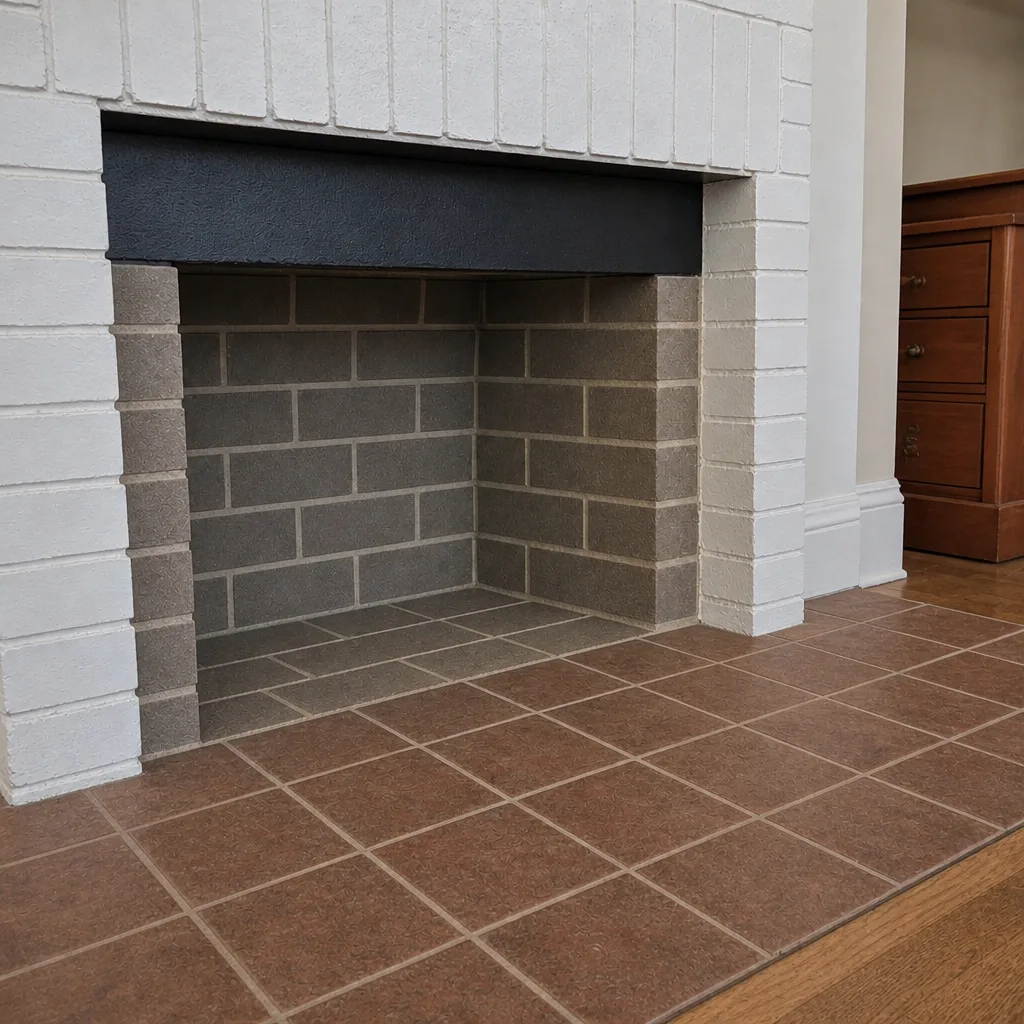
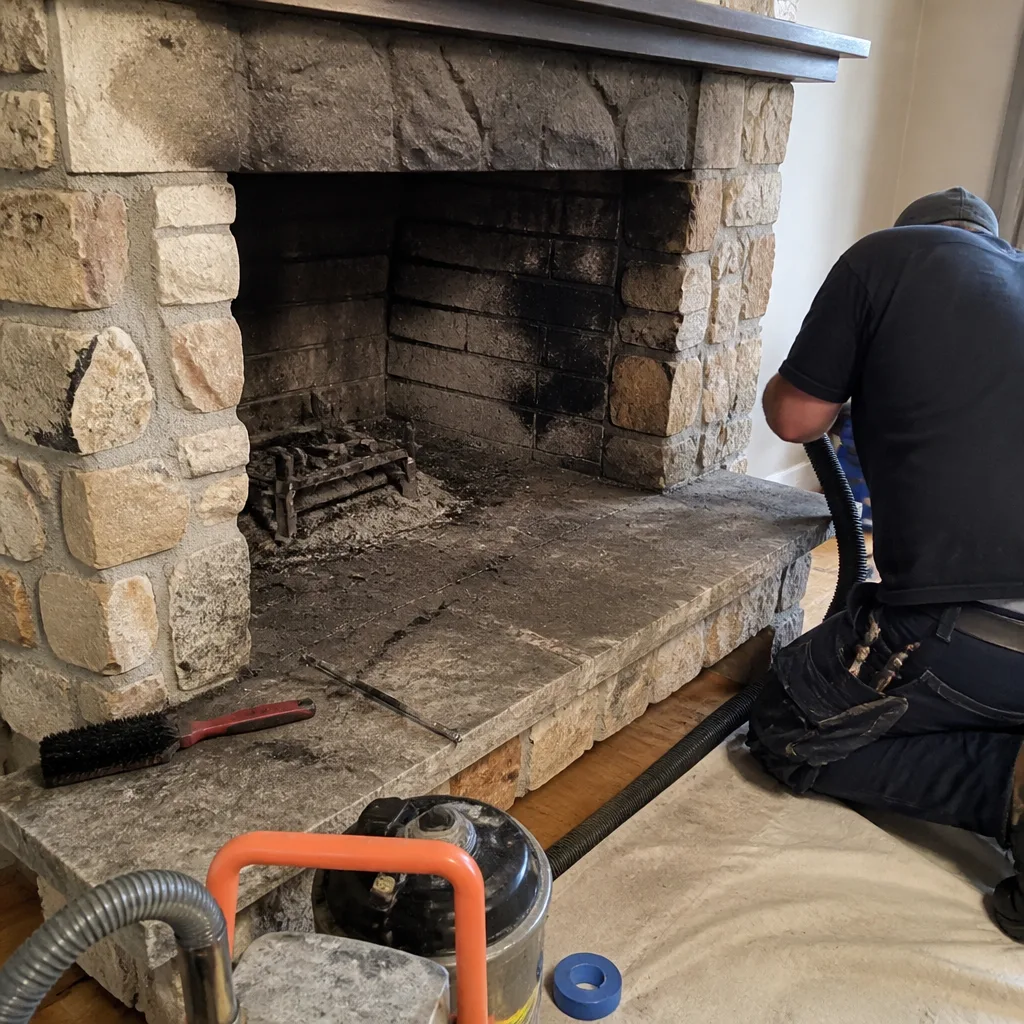
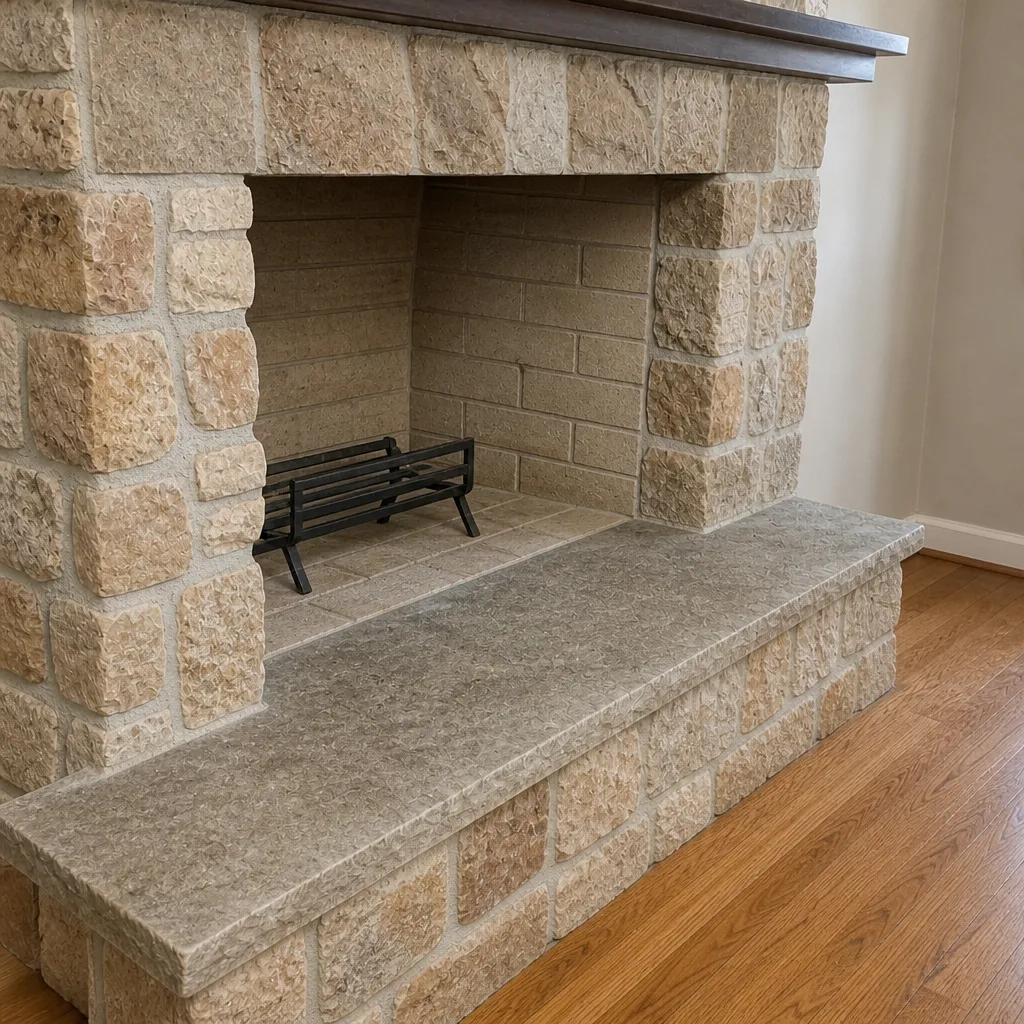
See the difference
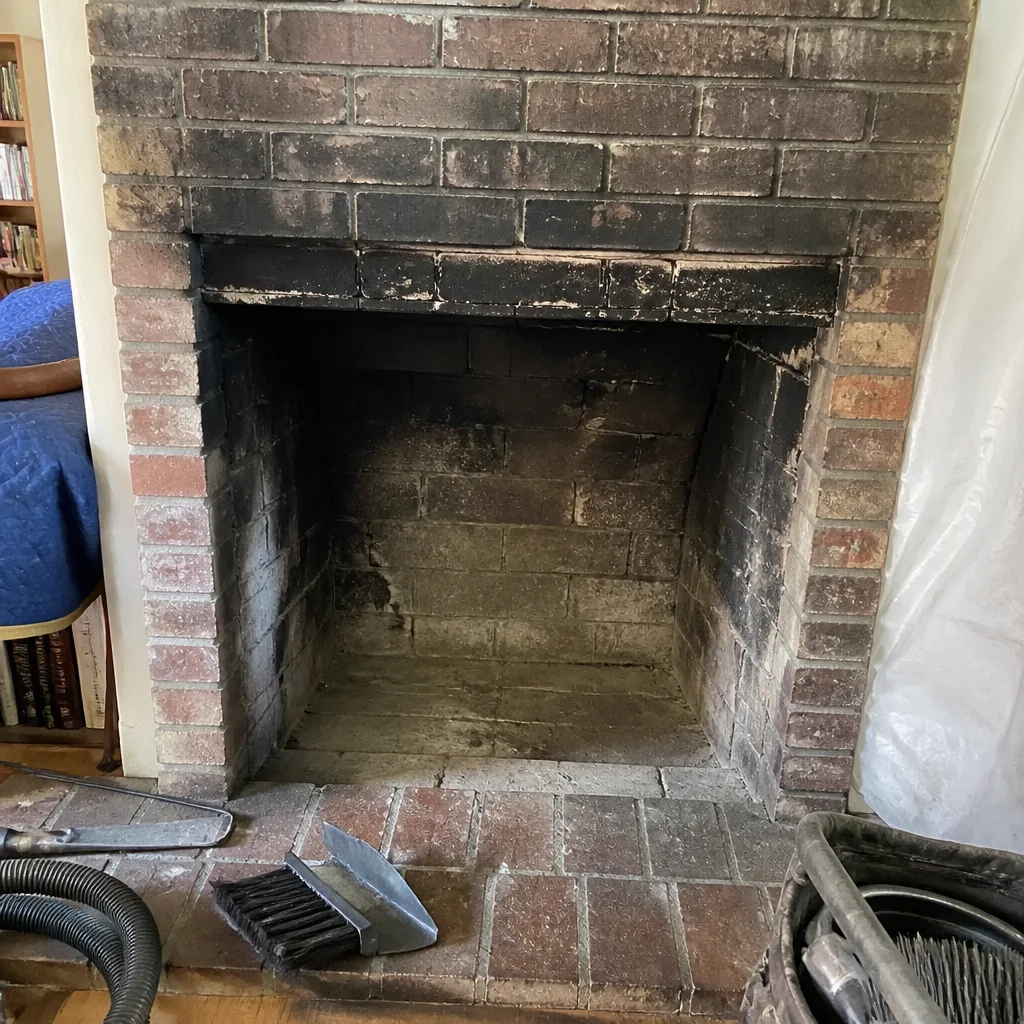 Before
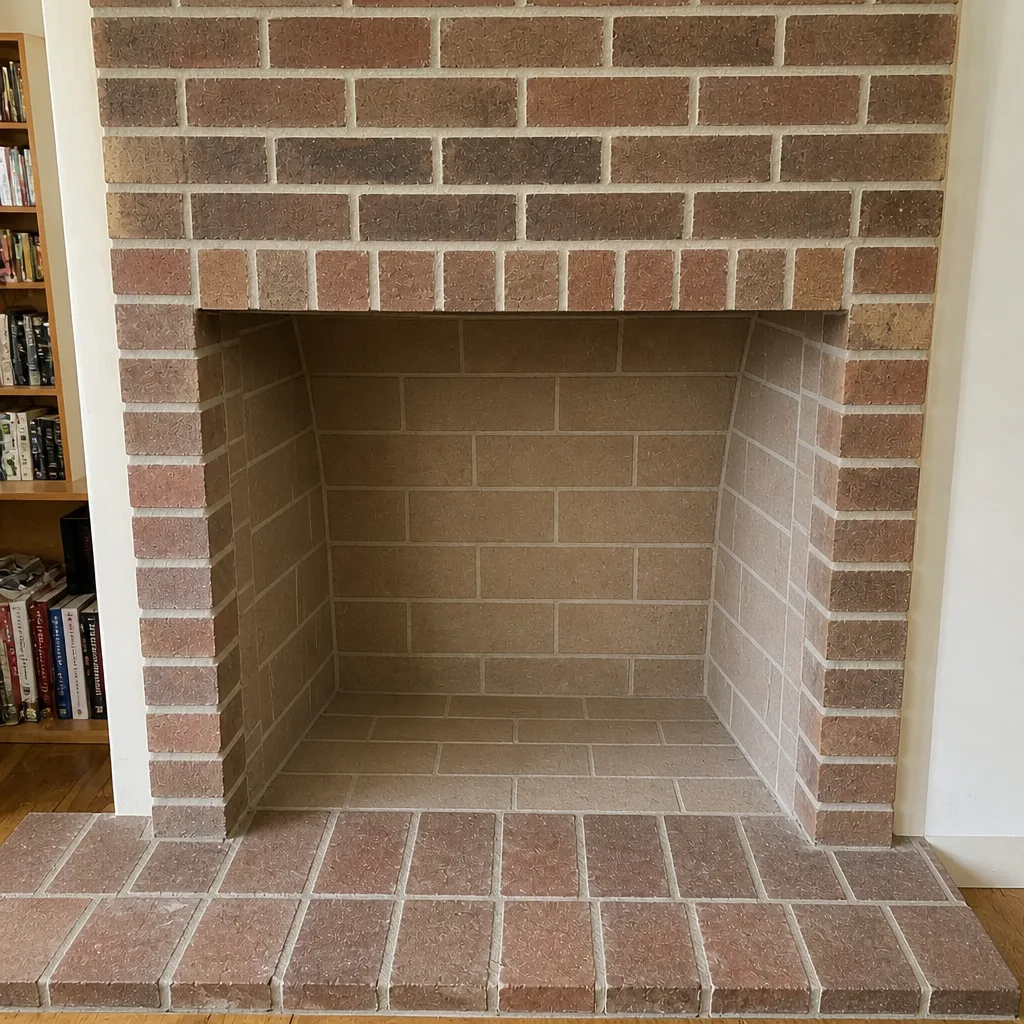 After
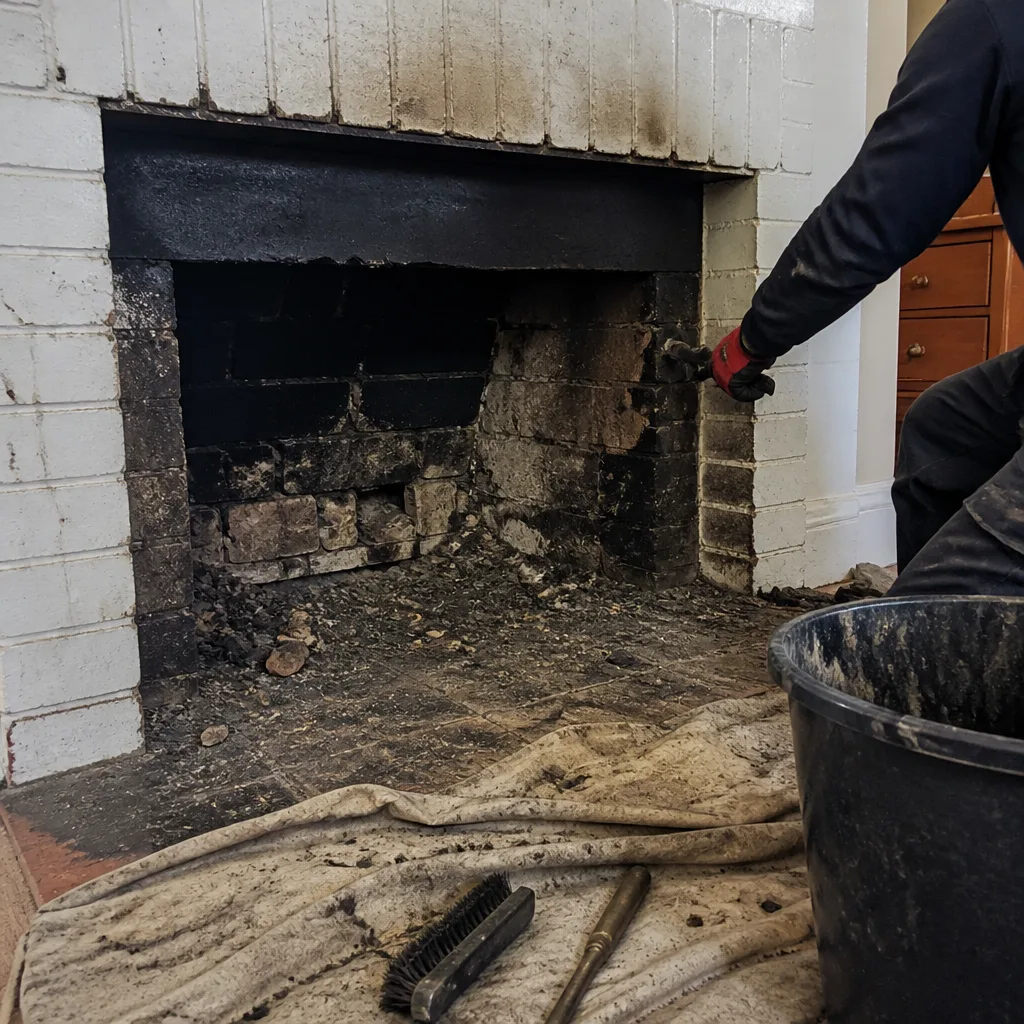 Before
 After
 Before
 After
When to Call a Professional
Call when it’s been more than 12 months since your last inspection, when you can see glazed creosote inside the flue, when smoke rolls back into the room, when your cap or crown shows storm damage, when a carbon monoxide detector sounds, or when water is getting into the firebox or chimney stack. Also call before buying a home with a wood-burning or gas fireplace you plan to use – an inspection before closing is money well spent. Chimney Sweep West Seattle offers free estimates in West Seattle – call (877) 447-9894 and we’ll look before we recommend. We inspect with a camera, show you the findings, and tell you plainly what needs doing now and what can wait until next season.
Frequently Asked Questions
A chimney should be swept at least once a year if it’s used at all, and more often if you burn frequently – roughly once for every cord of firewood, or whenever creosote buildup reaches about 1/8 inch. In West Seattle, wood-stove-primary households typically need a fall sweep plus a mid-winter creosote check. Call (877) 447-9894 for an exact schedule based on your usage.
A standard sweep and inspection is priced by job based on the chimney’s configuration and condition, and the estimate is free. The written estimate sets the final price before any work begins. Call (877) 447-9894 to book a free estimate.
Only if the camera inspection shows it – a failing clay tile liner or a damaged stainless liner can let heat reach the home’s framing, which is a real fire risk. If the liner is intact but deteriorating, our HeatShield ceramic resurfacing capability can often restore it without the cost of a full reline. Nothing is recommended without camera evidence you can see for yourself. Call (877) 447-9894 to book an inspection.
A sweep removes soot and creosote from the flue, while an inspection evaluates the whole system – flue, firebox, damper, cap, crown, and exterior – for safety and condition. The two are usually done together. Every visit from our team includes a camera inspection and photo report. Call (877) 447-9894 to schedule both in one visit.
Skipping maintenance lets creosote build up inside the flue, which raises the risk of a chimney fire, and lets water damage from a cracked crown or worn cap spread into the masonry. Gas fireplace neglect can lead to venting problems and carbon monoxide exposure. None of this is fear-sell – it’s what the camera shows. Call (877) 447-9894 for a free estimate before a small issue becomes a big one.
An annual sweep alone is usually not enough in West Seattle – the wet fall and winter make post-storm cap and crown checks and a spring inspection essential. Water intrusion and freeze-thaw damage are the biggest long-term threats to a chimney here. Book the fall sweep first, then the spring inspection. Call (877) 447-9894 to set up both.
The Bottom Line
The annual chimney sweep is the foundation of a maintenance schedule, not the whole building. West Seattle homeowners get the most from a layered approach: annual sweep and inspection in early fall, mid-season creosote checks if you burn frequently, post-storm cap and crown checks after winter weather, a spring inspection to catch freeze-thaw damage early, and simple self-checks every 10 fires. Our technicians have up to 14 years of experience, and everything we recommend comes from camera evidence you keep. Book the first visit now, then let the schedule do the rest.
Chimney Sweep West Seattle is a chimney-only specialist, so the whole system – from the firebox to the crown – is handled by one team. If your schedule needs professional eyes on it, call (877) 447-9894 for a free estimate. We answer 24/7. Fast dispatch from 7am to 7pm, Sunday through Friday.
Written by the team at Chimney Sweep West Seattle.