
Last updated November 25, 2026
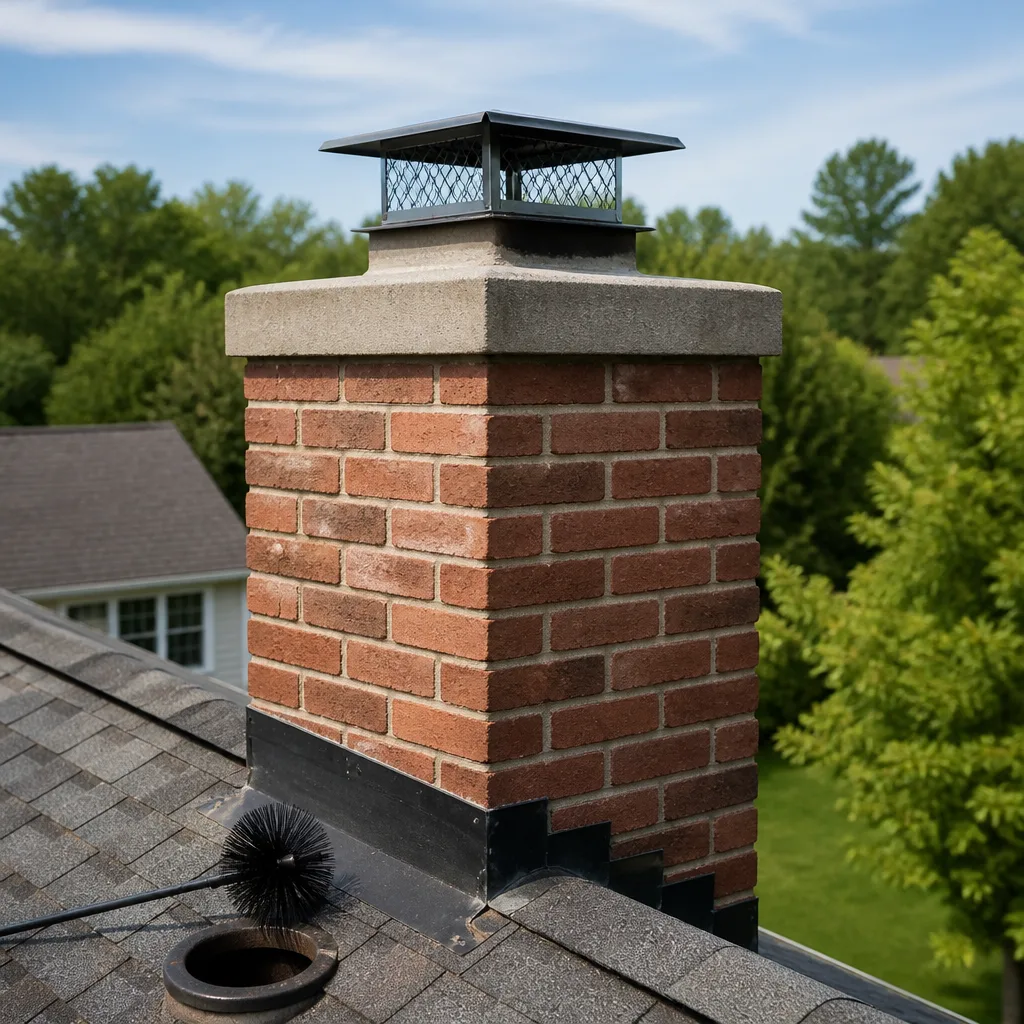 Sweep & inspection
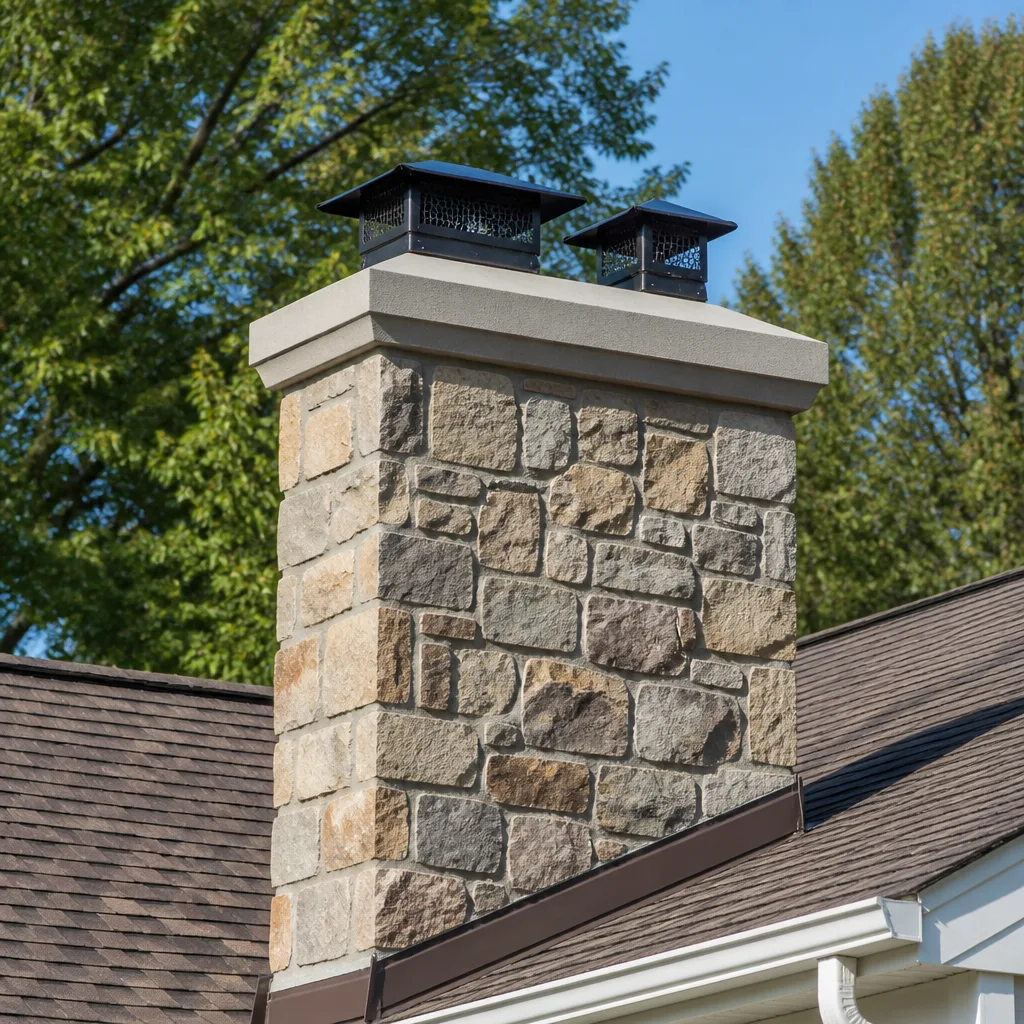 Caps & crowns
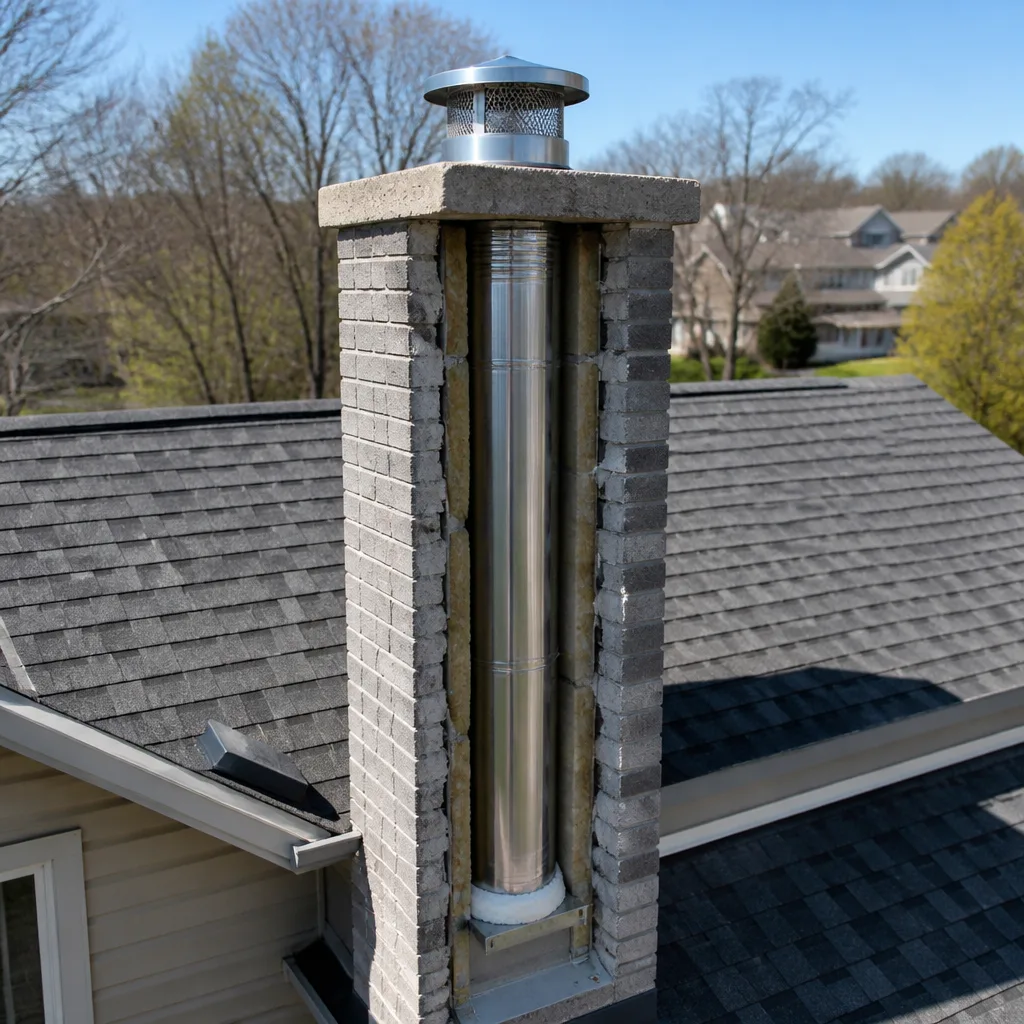 Flue relining
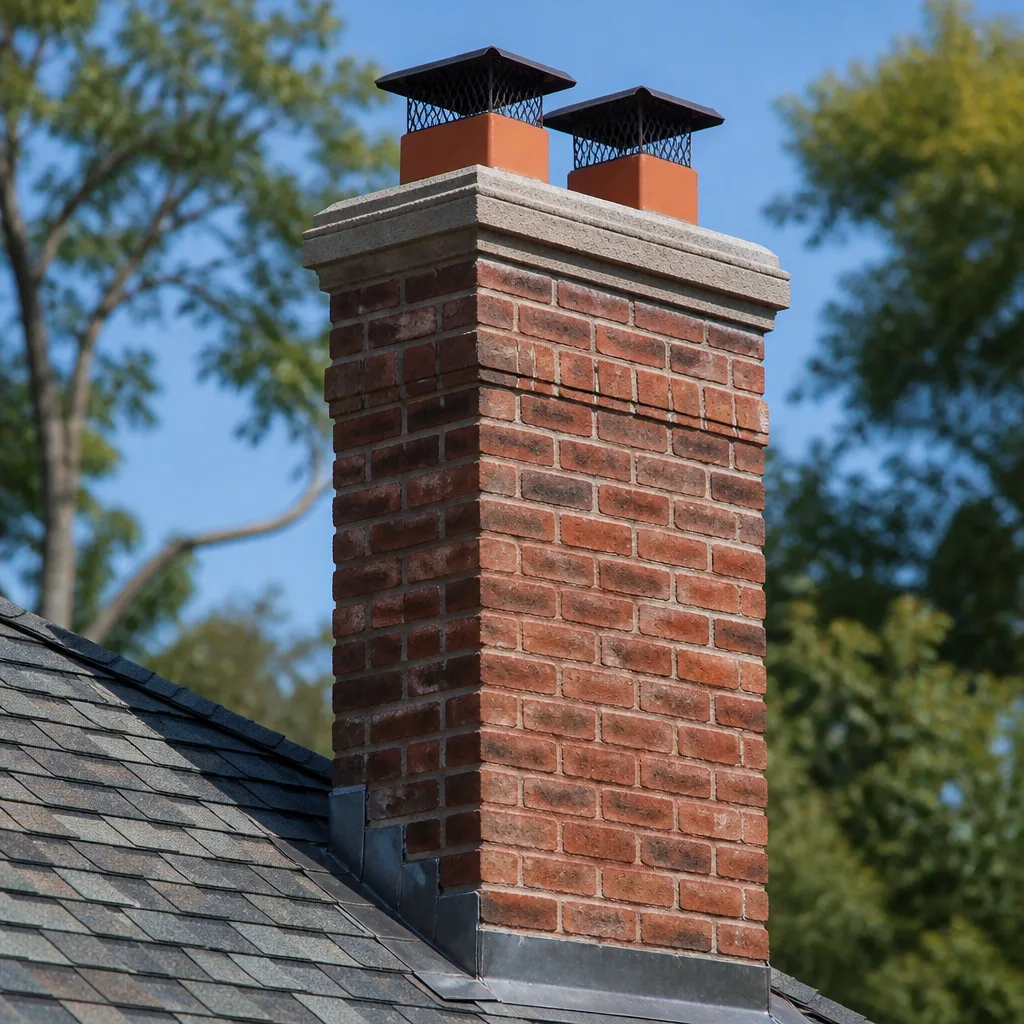 Masonry repair
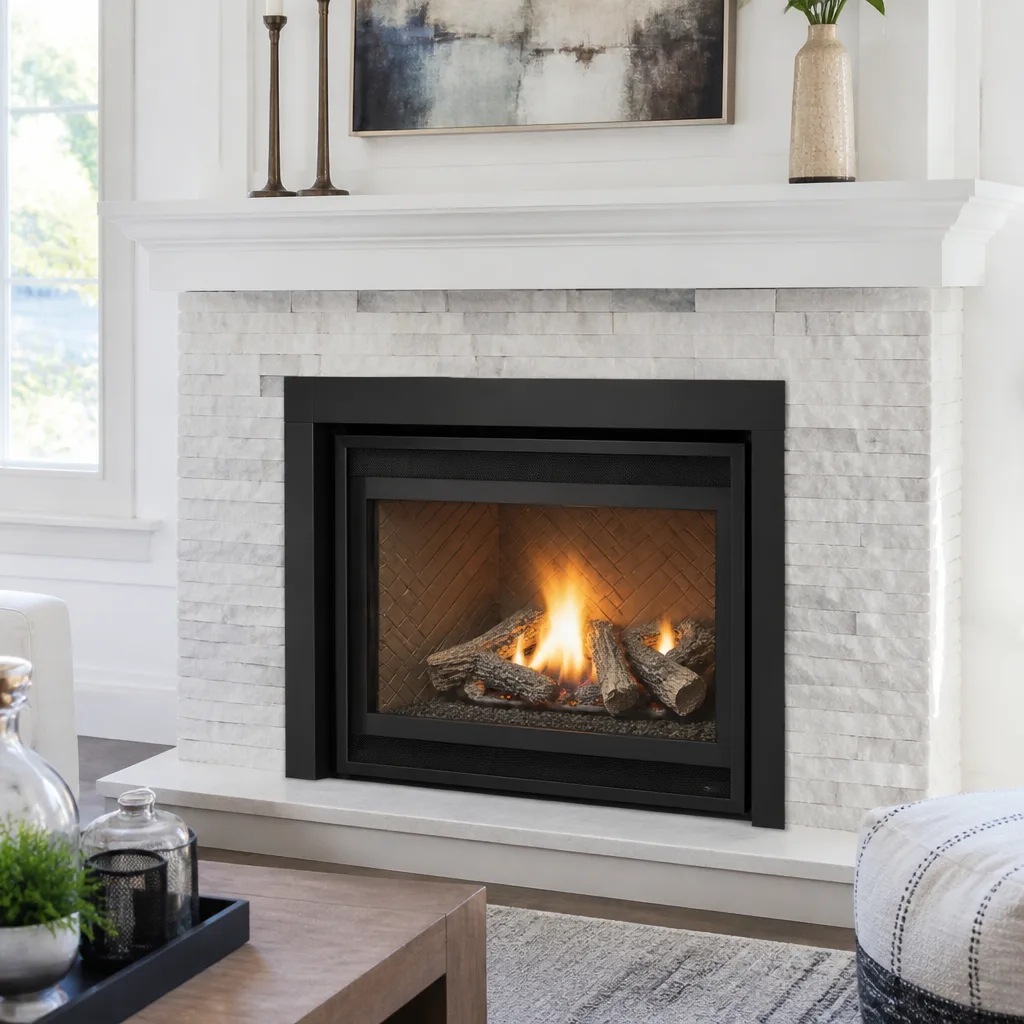 Gas fireplace service
Level 1 sweep and inspection to the NFPA 211 annual standard - flue, crown, cap, and flashing checked and photographed
Chimney sweep logs do not sweep chimneys. They loosen some creosote - which then falls where a brush and vacuum still have to collect it.
Chimney Cleaning Permits, Codes & Inspections in West Seattle, WA: What You Need to Know
Homeowners almost never pull permits for chimney work, and most of the time that’s exactly right. Cleaning a flue, replacing a cap, repointing a few bricks – none of that is regulated. But there’s a threshold in Washington State where routine maintenance turns into construction, and crossing it without a permit creates a liability that quietly follows a house until closing day. If you sell a West Seattle home and the buyer’s inspector finds a liner installation that was never permitted, your disclosure obligation becomes a negotiation problem. Washington’s material defect rules do not offer an “I didn’t know it needed a permit” exemption. This guide walks through where that line sits, what King County and Seattle add on top of state code, how a real inspection differs from a sweep visit, and how to clean up an unpermitted chimney before you list. West Seattle homeowners get the local angles: our damp winters, our older housing stock, and the neighborhoods where this comes up most.
Quick Answer
Routine chimney cleaning and simple cap replacement in West Seattle generally do not require a permit. Liner replacement, installation of a new fireplace insert or appliance, and structural chimney repair do fall under Washington State building code as alterations, which means a permit from Seattle’s Department of Construction and Inspections is typically required. A certified inspection is a separate, more documented service than a standard sweep, and unpermitted chimney work must be disclosed when you sell a West Seattle home.
Styles & brands we work with
- Sweep & inspection
- Caps & crowns
- Flue relining
- Masonry repair
- Gas fireplace service
Table of Contents
- Where Maintenance Ends and a Permit Begins in Washington State
- How Seattle and King County Permit Rules Stack on State Code
- What a Code-Compliant Chimney Inspection Looks Like vs. a Sweep Visit
- Real Estate Disclosure and Unpermitted Chimney Work
- Licensed General Contractor or Certified Chimney Specialist?
- Why West Seattle’s Climate and Housing Stock Make This Matter
- How to Remediate Unpermitted Work Before Listing
- Step by Step: Getting a Chimney Permit in Seattle
Where Maintenance Ends and a Permit Begins in Washington State
Washington State separates chimney work into two buckets under its building code. Maintenance is not regulated; construction and alteration are. The line sounds obvious until you start looking at real jobs, because a lot of what homeowners call “repair” is legally an alteration.
Clean, general categories that generally sit on the maintenance side:
- Sweeping the flue and firebox to remove creosote and soot
- Replacing a chimney cap or a damaged spark arrestor with a like-for-like unit
- Minor crown patching where the crown is intact and you’re sealing hairline cracks
- Re-mortaring loose bricks at the crown level without changing the chimney’s structure
- Removing a bird nest, debris, or a fallen cap from the flue
Categories that generally sit on the alteration side and require a permit:
- Replacing the flue liner, whether you’re going back with the same material or upgrading to a stainless flexible liner
- Installing a new fireplace insert, wood stove, or gas appliance into an existing chimney
- Rebuilding the chimney above the roofline, replacing a chase, or changing the chimney’s height or footprint
- Structural repair that involves the framing, the foundation of the chimney, or load-bearing masonry
- Converting a masonry fireplace to a direct-vent or adding a new flue
The reason this matters for a West Seattle homeowner is that liner installation is one of the most common chimney jobs here. Older homes in neighborhoods like Fauntleroy and Gatewood often have clay tile liners that are cracked, spalled, or simply too large for a modern appliance. Replacing that liner is an alteration. It requires a permit. And if a contractor skipped the permit, you own the problem. We’ve seen this surface years later during a pre-listing inspection, which is why chimney repair work that touches the liner should always start with a conversation about what the code requires before a brush ever goes in the flue.
If you’re unsure which side of the line your job falls on, describe it to your city’s building department before scheduling. The answer costs nothing. The alternative can cost you a disclosure negotiation.
How Seattle and King County Permit Rules Stack on State Code
Washington State sets the floor. Seattle’s Department of Construction and Inspections (SDCI) and King County each layer local administrative requirements on top. For chimney work, the local layer mostly adds process, not new definitions – but the process matters.
What West Seattle homeowners typically run into:
- Permit application through SDCI. Chimney alterations inside Seattle city limits go through SDCI, not King County. West Seattle is inside the city, so that’s your jurisdiction. A small alteration permit or a combination permit is the typical vehicle.
- Plan review. For a liner replacement, the applicant submits the manufacturer’s listing, the appliance specs, and the flue sizing. For an insert installation, the listing of the insert plus the flue layout. SDCI reviews for compliance with the state-adopted mechanical and building codes.
- Inspection sequence. Alterations that involve concealment – like a new liner going in behind framing or a chase – typically require an inspection before the work is covered. Liner installations often get a final inspection once the termination and cap are in place.
- Local amendments. King County and Seattle have adopted amendments to the state code over the years, mostly around seismic bracing for chimneys, clearances to combustibles, and energy code interactions when a fireplace is part of a remodel. A licensed contractor pulling the permit handles these, but the homeowner should know they exist so a contractor who waves them off raises a flag.
- Fees. Permit fees scale with job valuation. Your contractor builds the fee into the bid; you don’t pay it separately as a homeowner, but it belongs in the written estimate and you should see it listed.
Seattle also has rules around work in the public right-of-way and around historic structures. Most chimney work doesn’t touch those, but if your home is in a designated landmark district – West Seattle has a handful of older properties that carry design review requirements – confirm with SDCI before you commit to a design change at the roofline. A straightforward chimney cap & crown replacement usually sails through; a full chimney rebuild with a new chase is a different conversation.
The practical upshot: local rules don’t change what’s an alteration. They change how you document it, who inspects it, and when. That’s the piece most homeowners never see, because the contractor handles it. When the contractor doesn’t, the gap lives on in the permit record.
What a Code-Compliant Chimney Inspection Looks Like vs. a Sweep Visit
A standard sweep is a maintenance visit. A code-compliant inspection is a documented condition assessment. They’re not the same service, they’re not priced the same, and they don’t produce the same paperwork.
The Washington Association of Building Officials (WABO) references the national chimney inspection standard, which divides inspections into three levels. Most West Seattle homeowners have never heard of the levels because a sweep visit doesn’t require them. Here’s how they break down:
Level 1 Inspection
A visual examination of the readily accessible portions of the chimney – firebox, damper, flue from the top and bottom where visible, and the exterior. It’s what a routine annual service includes. No tools beyond a flashlight and a camera. Appropriate when the appliance hasn’t changed, the home isn’t changing hands, and there’s no known problem.
Level 2 Inspection
The level required any time a property changes hands, an appliance is replaced, a flue is relined, or a chimney has been through a chimney fire or a seismic event. It includes everything in a Level 1 plus access to concealed areas – attic, crawlspace, and any chase – and a video scan of the flue interior using a camera. This is the inspection that produces a written report a lender, an insurer, or a buyer’s agent will accept. It’s also the one that supports a permit application for a liner, because it documents the condition of what’s there before the new liner goes in.
Level 3 Inspection
Reserved for cases where a Level 2 identifies a hazard that requires opening up the chimney – removing a crown, cutting into a chase, or dismantling masonry. Rare, but it happens when a flue has hidden damage that can’t be assessed from the inside with a camera.
The practical difference for a West Seattle homeowner:
- Sweep: the flue gets cleaned, the tech notes anything obviously wrong, you get a verbal summary. No written report, no photos, no documentation trail.
- Level 2 inspection: the flue gets cleaned and scanned with a camera, you receive a written report with photos and video stills, and the report references the applicable code sections. This is the document you hand to a buyer, a lender, or an insurance adjuster.
We always inspect before we recommend. That’s the practice that ties directly to the code question you’re trying to answer: you cannot responsibly apply for a liner permit, or defend a claim that you didn’t need one, if you don’t have a documented inspection behind you. A camera inspection and photo report are included in our work for that reason. The same camera doesn’t just tell you what’s wrong; it establishes a baseline you can point to later.
Real Estate Disclosure and Unpermitted Chimney Work
Washington’s seller disclosure law requires you to disclose material defects in the property that you know about. “Material” here is broad. If an inspector finds an unpermitted liner installation in a West Seattle chimney, and that installation either wasn’t done to code or can’t be verified, that finding is a material defect in the eyes of most buyers and their agents. You cannot avoid the disclosure by pleading ignorance of the permit requirement.
What usually happens at the closing table:
- Buyer’s inspector notes a newer-looking liner or insert and asks for documentation.
- Seller can’t produce a permit record through SDCI’s online portal.
- Buyer’s agent flags it. The buyer either walks, asks for a credit, or asks you to remediate.
- The remediation – which is what a level-2 inspection and, if needed, a permitted liner redo actually costs – becomes a negotiated line item.
The leverage shifts substantially if you handle this before listing. A permit record pulled by a licensed contractor and a final inspection signed off by SDCI turns a defect into a documented improvement. It’s the difference between a buyer asking “why wasn’t this permitted?” and a buyer reading a clean record.
Insurance is the second disclosure-adjacent consequence. Many homeowner policies ask whether the chimney and appliance have been installed to code. If an adjuster later finds an unpermitted liner, coverage for a chimney fire claim can become contested. The permit record is evidence of code compliance, and in that setting evidence matters.
If you’ve bought a West Seattle home with a chimney modification in it and you don’t have the permit trail, the first thing to do – long before you plan to sell – is get a Level 2 inspection. That tells you whether you’re remediating or documenting. It’s a much calmer conversation when you’re doing it on your own schedule. The full chimney inspection service is built around exactly that use case.
Licensed General Contractor or Certified Chimney Specialist?
Both roles can pull a permit for a chimney alteration in Seattle. The distinction is in what each is likely to bring to the job, and it matters for the inspection you get and the report you keep.
A licensed general contractor can legally pull a permit for chimney work as part of a broader scope – a remodel, a re-roof, a structural repair that incorporates the chimney. General contractors are required for structural work, foundation of the chimney, and anything that involves seismic bracing or framing changes.
A certified chimney specialist is a different resource. A specialist does one trade, and the value is in what that focus produces:
- Diagnostic accuracy on the flue. A generalist may not own a chimney camera or know how to read what it shows. A specialist scans the flue, knows the difference between glazed creosote and stage-2 buildup, and can tell when a clay tile is spalling versus when it’s just dirty.
- Correct documentation for the permit. A liner permit application that includes the correct manufacturer’s listing, flue sizing, and appliance specs clears plan review faster.
- Right-sized recommendations. A specialist has repair options a generalist may not own. HeatShield ceramic flue resurfacing, for example, restores a deteriorating liner without the cost of a full reliner. We’re certified to apply it. A general contractor is unlikely to have that tool in the box, so their recommendation will look binary: replace or leave it.
- Correct material sourcing. Professional-grade liner systems from DuraFlex, cap and cover products from Gelco and Famco, and parts sourced through Copperfield and Olympia Chimney are what certified professionals across the country use. Off-the-shelf hardware-store substitutes are not equivalent, and SDCI adjusts the permit record to what was actually installed.
- Clearance knowledge. Clearances to combustibles at the roofline, around the flue, and through the framing are codified and specific. A chimney specialist checks them as a routine part of the visit; a generalist confirms them at the moment of inspection and sometimes doesn’t.
Which should you use? For a straight liner replacement, an insert installation, a cap and crown, or a Level 2 inspection that’s going to support a permit application, use a chimney specialist. For a chimney rebuild that involves framing, seismic bracing, or opening up a wall, you want a licensed general contractor on the permit, with a chimney specialist either doing the flue work under their scope or providing the inspection that informs the design.
If you’re not sure which one your job needs, ask the contractor to walk you through the permit scope. A specialist will be able to. A general contractor who waves the permit off for a liner replacement is telling you something.
Why West Seattle’s Climate and Housing Stock Make This Matter
West Seattle’s climate is the marine-influenced Pacific Northwest pattern: wet, mild winters with frequent drizzle, dry summers, and freeze-thaw cycles that hit the brickwork harder than most homeowners realize. Chimneys here get a specific kind of wear.
What that means for chimney work in this part of the city:
- Crowns take the beating. A masonry crown is a concrete slab at the top of the chimney, and it fails from the same freeze-thaw cycle that cracks sidewalks in West Seattle winters. A cracked crown lets water in at the top, and water migrating down the flue is what eventually cracks the clay tiles. That cascade is why a crown repair is often the cheapest fix and the most skipped.
- Creosote accumulates faster with cold firebox starts. Cooler coastal weather means more cool-burning fires in shoulder seasons. Cool burns leave more creosote. That’s the maintenance layer – and it’s the reason sweeping on a regular cadence is worth it, no permit needed.
- Masonry chimneys in older housing stock. Homes in neighborhoods like Admiral, Alaska Junction, and Fauntleroy frequently have original masonry chimneys from mid-century construction. Clay tile liners from that era are commonly oversized for modern appliances, which is one reason so many West Seattle liner permits get pulled – the flue can’t safely vent a modern insert or stove without relining.
- Seismic exposure. The Puget Sound region sits in a high seismic zone. Chimney bracing amendments exist in the Seattle building code for a reason, and any structural chimney work should account for them. That’s the category where a licensed general contractor is the right choice.
If you’re scheduling service, professional-grade materials matter more in this climate than in a dry one. Hardware-store caps and covers fail faster here. Famco and Gelco caps, sourced through Copperfield or Olympia Chimney, are what professionals specify because they hold up. The cap and crown service we run is paired with inspection for the same reason: a cracked crown is easier to catch and fix at the same visit as the cap than it is six months later when the ceiling stain shows up.
How to Remediate Unpermitted Work Before Listing
If you’ve already got a chimney with a liner or insert that wasn’t permitted, you have options. The sequence most West Seattle homeowners follow:
- Get a Level 2 inspection first. Before you touch anything, document the current condition. The inspection report becomes the baseline against which any remediation is measured, and it may show that the work as installed is actually code-compliant even if the permit was never pulled.
- Check SDCI records. Pull the permit history for the address through SDCI’s online portal. Sometimes a permit was pulled and the final inspection wasn’t recorded, or a prior owner pulled one and the paperwork was never handed over. You may find you’re clean.
- Determine what’s actually deficient. A specialist inspection will tell you whether the liner is correctly sized, installed to the manufacturer’s listing, and clear of combustibles. If the answer to all three is yes, the deficiency is on paper only – and that’s often remediable by documentation.
- Correct what’s wrong. If the flue is undersized, the liner terminated wrong, or clearances are improper, the fix is a permitted redo. That can be a liner replacement, or a HeatShield resurfacing if the flue is sound and only the liner surface is failing.
- Pull the permit and get the final inspection. Work through a licensed chimney specialist or general contractor. Get the inspection signed off. Keep the paperwork with your home’s other documentation.
- Disclose in the listing. Once remediated, disclose the work, the permit, and the final inspection. That’s a stronger position than silence, every time.
The point is to establish facts early. Buyers and their inspectors work from what’s in the record; if the record is silent, the vacuum gets filled by their assumptions. Remediation before listing gives you control of the story. Waiting until the buyer’s inspection forces the price negotiation is the expensive version of the same job.
The fireplace repair service often overlaps with this process, since insert installations are usually paired with repair work, and both need to be documented together.
Step by Step: Getting a Chimney Permit in Seattle
If your job crosses into alteration territory, this is the sequence most West Seattle permits follow. The licensed contractor does the heavy lifting; the homeowner should still know the shape of it.
- Schedule a Level 2 inspection. Confirm the scope of work with a written report that includes the flue camera footage. You can’t size a permit application without it.
- Confirm the code path. A liner replacement is typically a building permit; an insert installation can involve both building and mechanical permits depending on how the appliance is vented and whether gas is involved. Your contractor should be able to name the permit type in writing.
- Assemble the application. Manufacturer’s listing for the liner or appliance, flue sizing, appliance specs, drawings where required, and the contractor’s license and registration. A chimney specialist will bring these together without prompting.
- File with SDCI. The licensed contractor of record files. Fees are based on job valuation and are disclosed in the bid.
- Plan review. SDCI reviews for code compliance and may return comments. For straightforward liner replacements, review is usually without complication.
- Installation. The work proceeds to the manufacturer’s listing and to the approved plan.
- Inspection. SDCI inspects at the required stages and issues a final sign-off when the work is complete. That sign-off is the document that matters at resale.
- Keep the record. Store the permit and inspection paperwork with your home files. Hand a copy to any future buyer.
Common Mistakes to Avoid
- Assuming a sweep is an inspection. A maintenance sweep doesn’t produce the documented report that a permit application, an insurance claim, or a buyer’s inspection will require. Ask for the level. If the answer is unclear, that’s a sign.
- Letting the contractor talk you out of a permit for a liner. Liner replacement is an alteration in Washington State. A contractor willing to skip the permit is offering you a discount that becomes a liability at closing. Ask to see the permit before work starts.
- Using a general handyman for a permit-required job. Chimney alterations and insert installations require a licensed contractor of record. A handyman working without a permit can’t produce the inspection sign-off, and SDCI will not accept their scope of work.
- Skipping the crown while the cap is off. In West Seattle, crown cracks are common because of the freeze-thaw cycle. A cap replacement that doesn’t inspect the crown leaves the leak path in place. Pair the two jobs.
- Buying a home with an unpermitted liner and not documenting it. If you inherit an unpermitted installation, do the Level 2 inspection early. Finding out what you actually own is cheap; discovering it during your own sale is not.
- Getting an insert installed without a flue camera scan. An insert has specific venting requirements, and the installer needs to see inside the flue to size properly. A quote without a camera scan is an incomplete quote.
- Treating a “no permit needed” answer from a contractor as final. The permit requirement is set by code, not by the contractor’s preference. If you’re unsure, ask SDCI directly – a quick call resolves it before the paperwork gets complicated.
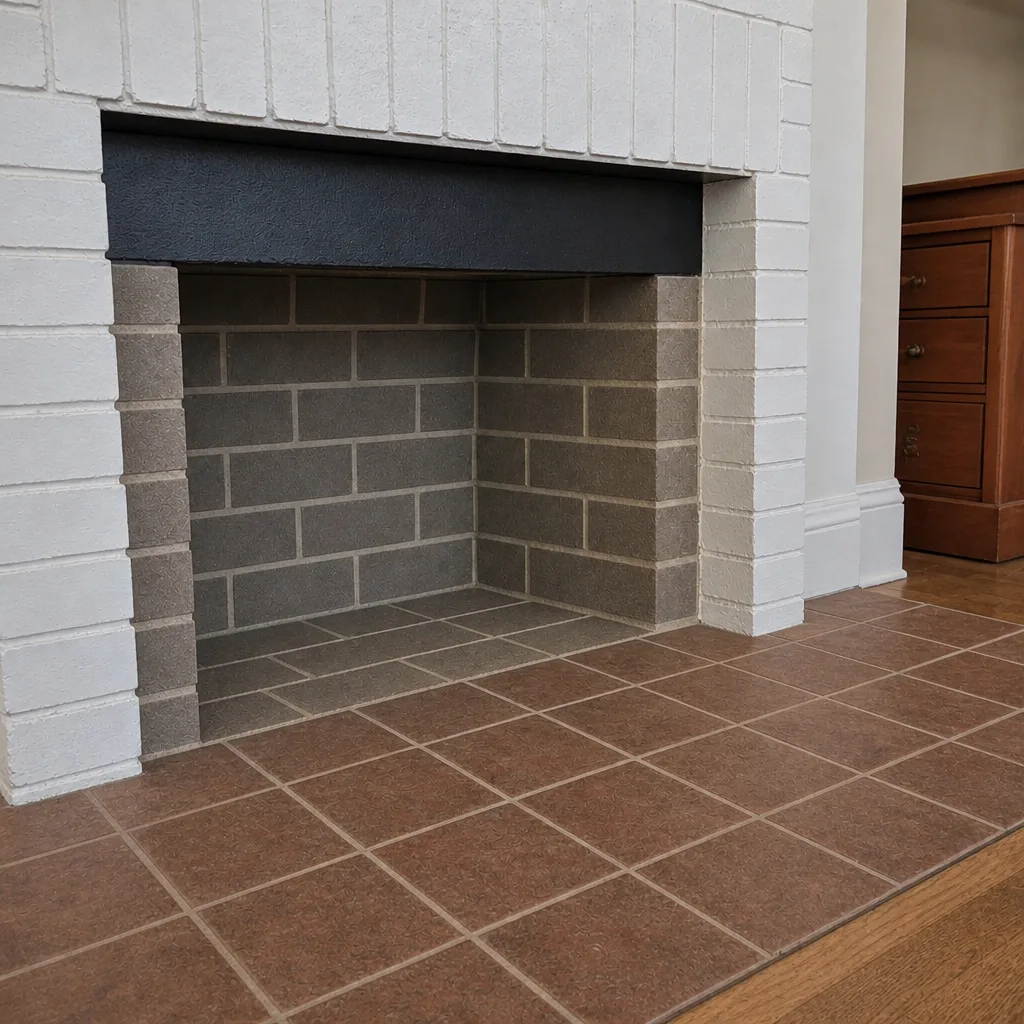
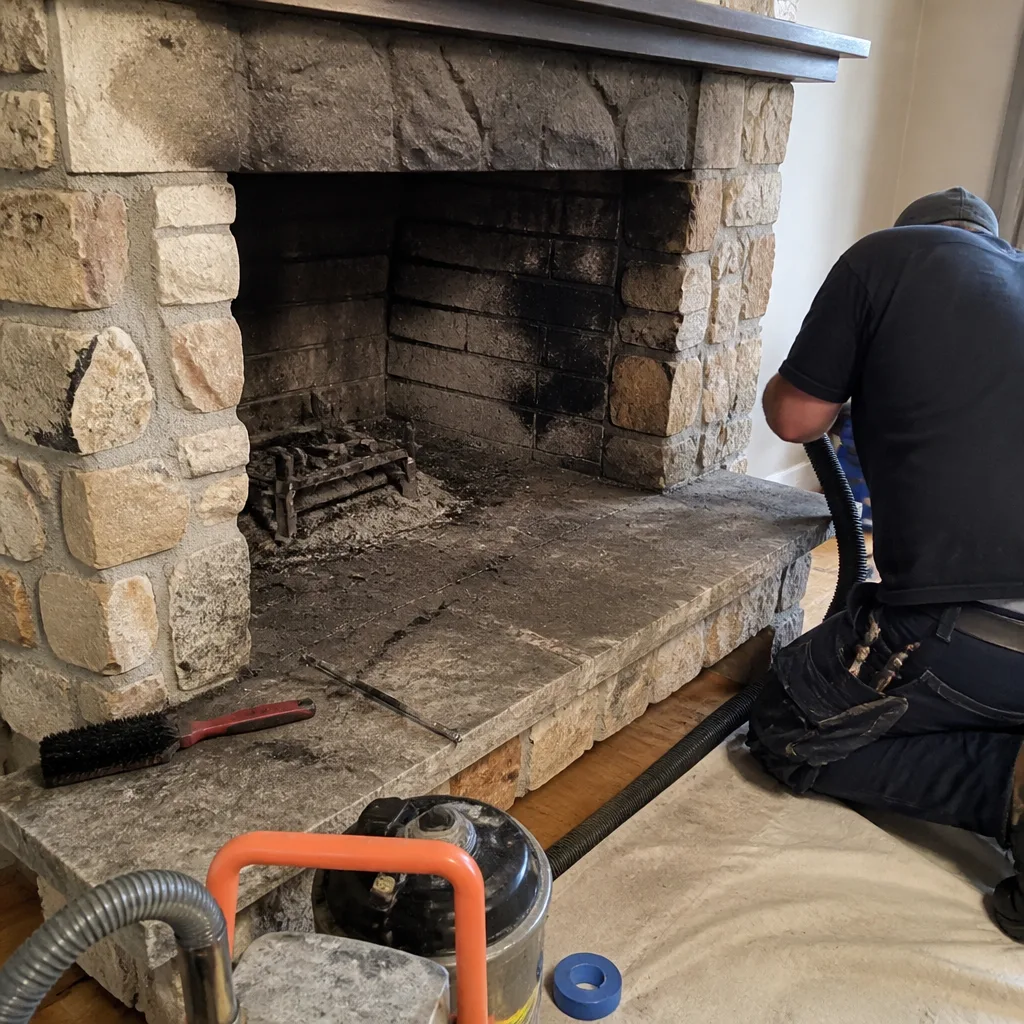
See the difference
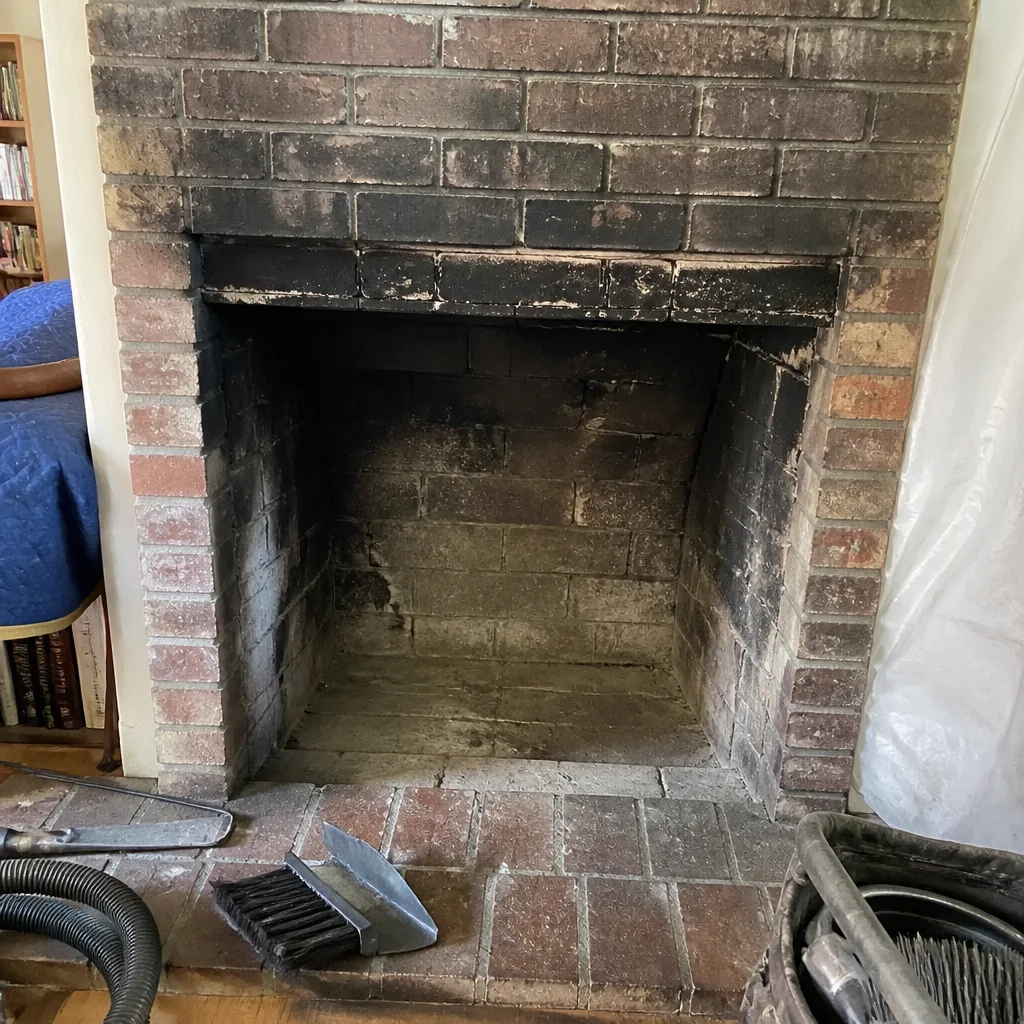 Before
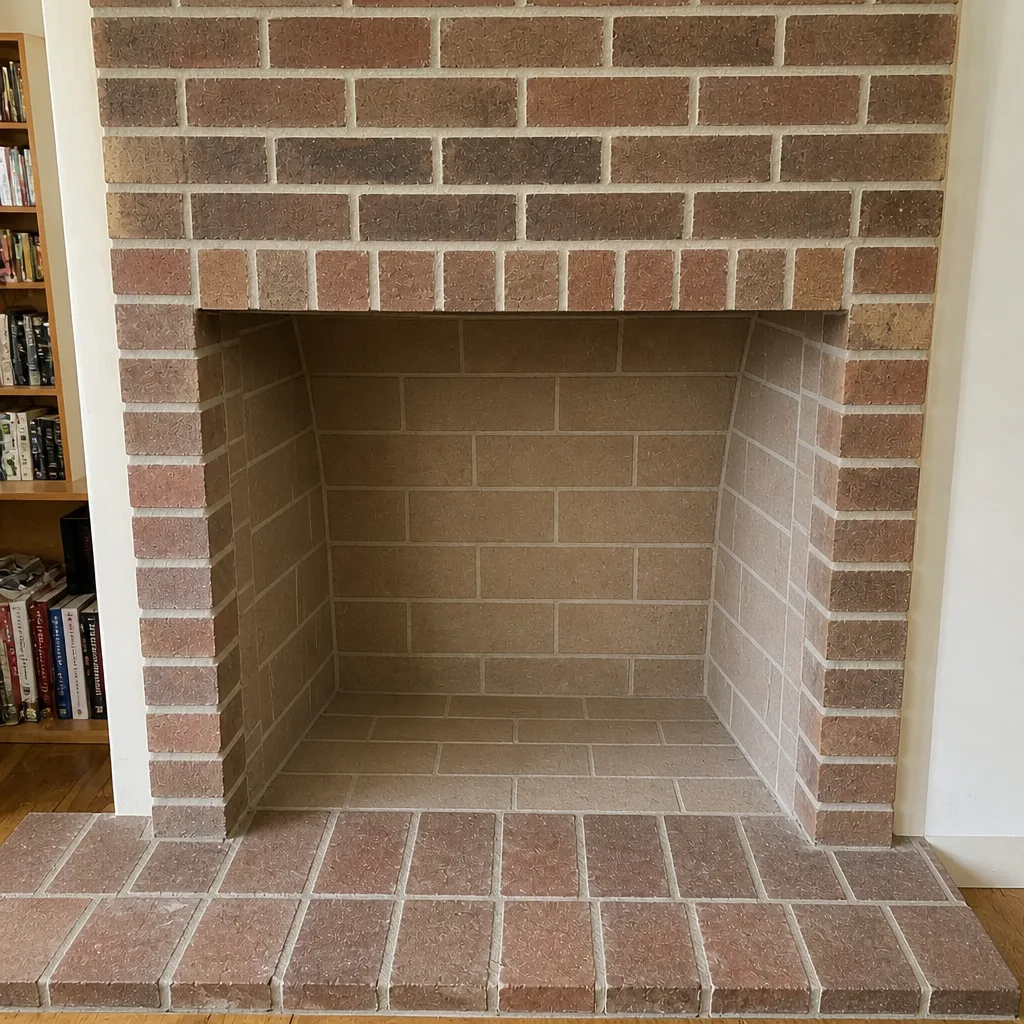 After
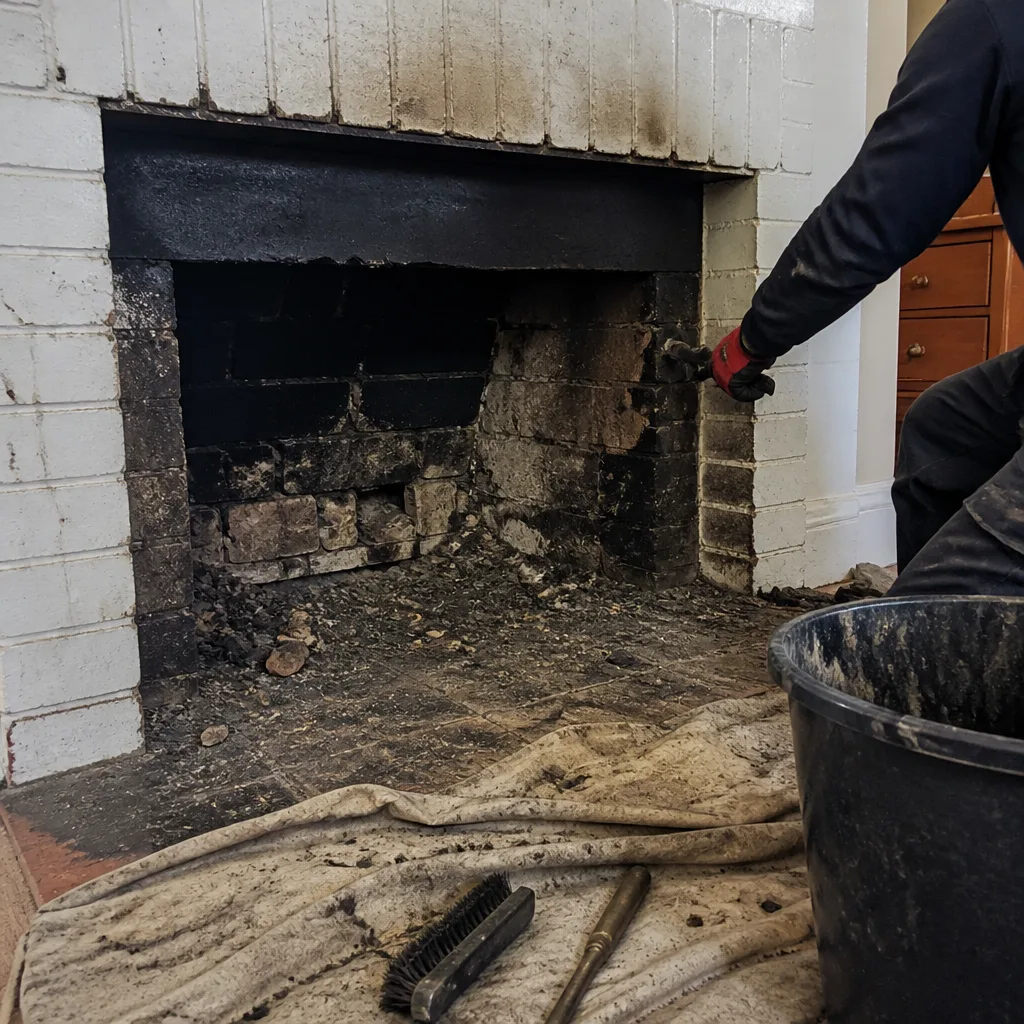 Before
 After
 Before
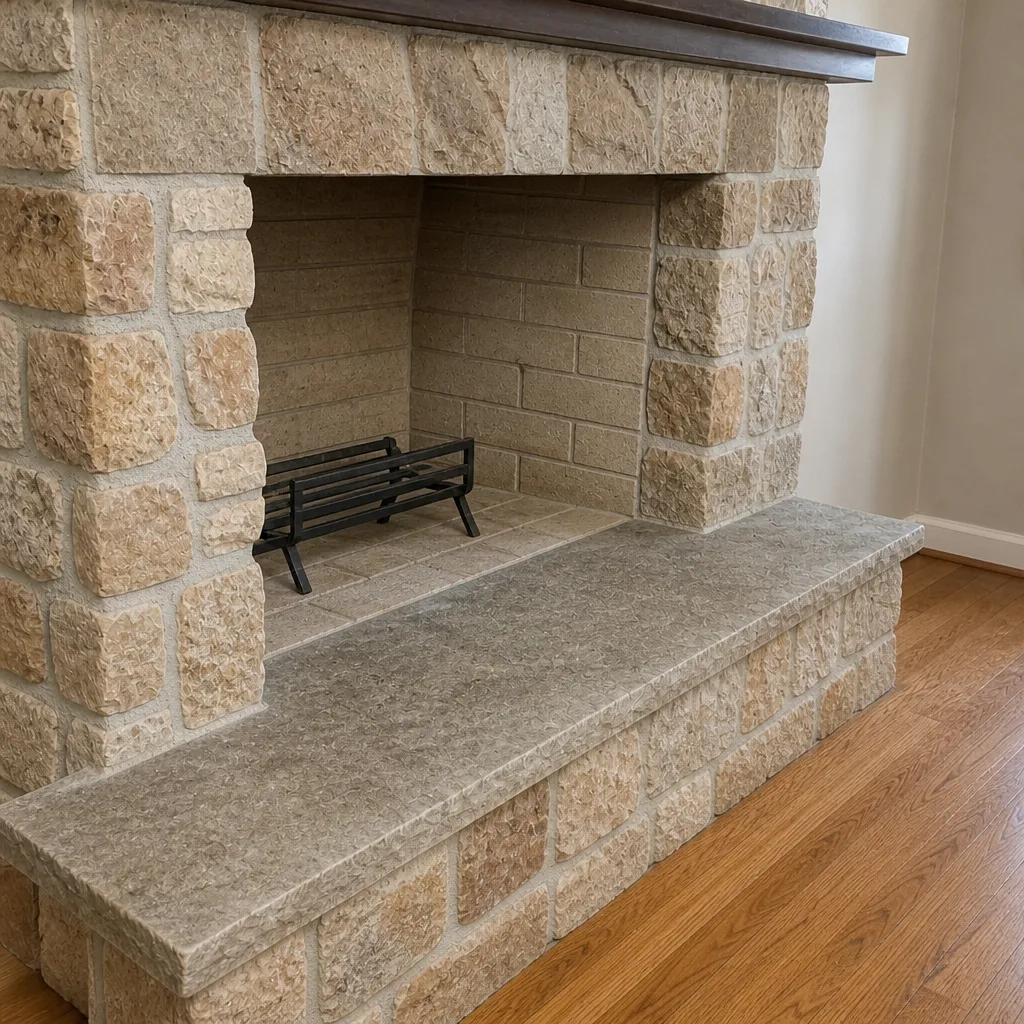 After
When to Call a Professional
Call a chimney specialist when a job involves anything past sweeping and like-for-like cap replacement. If you’re considering a liner replacement, an insert installation, a flue camera scan, a structural repair, or a Level 2 inspection for a real estate transaction, get a professional on the job. If you bought a West Seattle home with a modification in the chimney and you can’t find the permit record, that’s the same call. If your fireplace has been idle for a couple of seasons and you’re not sure of the flue condition, that’s the same call. You cannot see most of what a chimney camera reveals, and the cost of a documented inspection is a fraction of what an unpermitted surprise costs at closing. Chimney Sweep West Seattle offers free estimates in West Seattle – call (877) 447-9894. Our technicians have up to 14 years of experience, we inspect before we recommend, and every job includes a camera inspection and photo report.
Frequently Asked Questions
No. Routine chimney cleaning in West Seattle does not require a permit. Sweeping the flue, removing creosote, and cleaning the firebox are maintenance under Washington State code. You only cross into permit territory when the work becomes an alteration – liner replacement, insert installation, structural repair, or a change to the chimney’s footprint or height. Call (877) 447-9894 for an exact quote on a sweep or inspection – estimates are free.
Yes, in most cases. A liner replacement is treated as an alteration under the state building code, which means a permit from Seattle’s Department of Construction and Inspections is typically required for a West Seattle home. The permit application pulls in the manufacturer’s listing for the liner, the appliance specs, and the flue sizing, and the work is inspected before final sign-off. A licensed chimney specialist handles the permit as part of the job. Call (877) 447-9894 to talk through your situation – estimates are free.
Annually for a wood-burning fireplace in regular use, and any time the property changes hands, an appliance is replaced, or the chimney has been through a chimney fire or a seismic event. A Level 1 inspection is the annual visit; a Level 2 is the one required for real estate transactions and for any work involving a new liner or appliance. West Seattle’s damp climate means crowns take a beating, so an annual visit catches water intrusion before it reaches the flue. Call (877) 447-9894 to book an inspection – estimates are free.
A sweep is a cleaning service; an inspection is a documented condition assessment. The sweep removes creosote from the flue. The inspection produces a written report with photos and, at Level 2, a camera scan of the flue interior. The report is what a permit application, an insurance claim, or a buyer’s inspection will accept. A sweep visit can include a verbal summary of what the tech saw, but it doesn’t produce the document trail. Call (877) 447-9894 if you need a documented inspection – estimates are free.
You have a disclosure obligation under Washington’s material defect rules, and you cannot avoid it by not knowing about the permit requirement. The buyer’s inspector will likely note the liner, ask for documentation, and when none exists, negotiate. The buyer either asks for a credit, asks you to remediate, or walks. Getting a Level 2 inspection before you list lets you remediate proactively, which is far cheaper than negotiating from a defensive position. Call (877) 447-9894 to schedule an inspection ahead of a listing – estimates are free.
Both can pull a permit for chimney work, but the right choice depends on the job. A licensed general contractor is required for structural work – framing, foundation, seismic bracing. A certified chimney specialist is the right choice for liner replacement, insert installation, Level 2 inspections, and cap and crown work because that’s the trade they work in every day. They bring the camera, the correct manufacturer’s listings, and the professional-grade materials – DuraFlex liners, HeatShield resurfacing, Gelco and Famco caps sourced through Copperfield and Olympia Chimney – that SDCI expects to see in the permit record. Call (877) 447-9894 to talk through which one your job needs – estimates are free.
The Bottom Line
Routine chimney cleaning in West Seattle doesn’t need a permit. Liner replacements, insert installations, structural repairs, and any work that changes the chimney’s footprint or height do. Washington State sets the alteration line, Seattle’s Department of Construction and Inspections processes the permit, and the final inspection sign-off is the document that clears the record at resale. A Level 2 inspection is the service that produces that record. A sweep visit alone doesn’t. If you’re planning to sell in the next year, get the inspection before you list. If you bought a home with a chimney modification and no permit trail, get the inspection now. Our team at Chimney Sweep West Seattle handles the whole chain – inspection, repair, cap and crown, relining – so you don’t have to route the job between three companies. Call (877) 447-9894 for a free estimate. We answer 24/7. Fast dispatch from 7am to 7pm, Sunday through Friday.
Written by the team at Chimney Sweep West Seattle.