
Last updated November 25, 2026
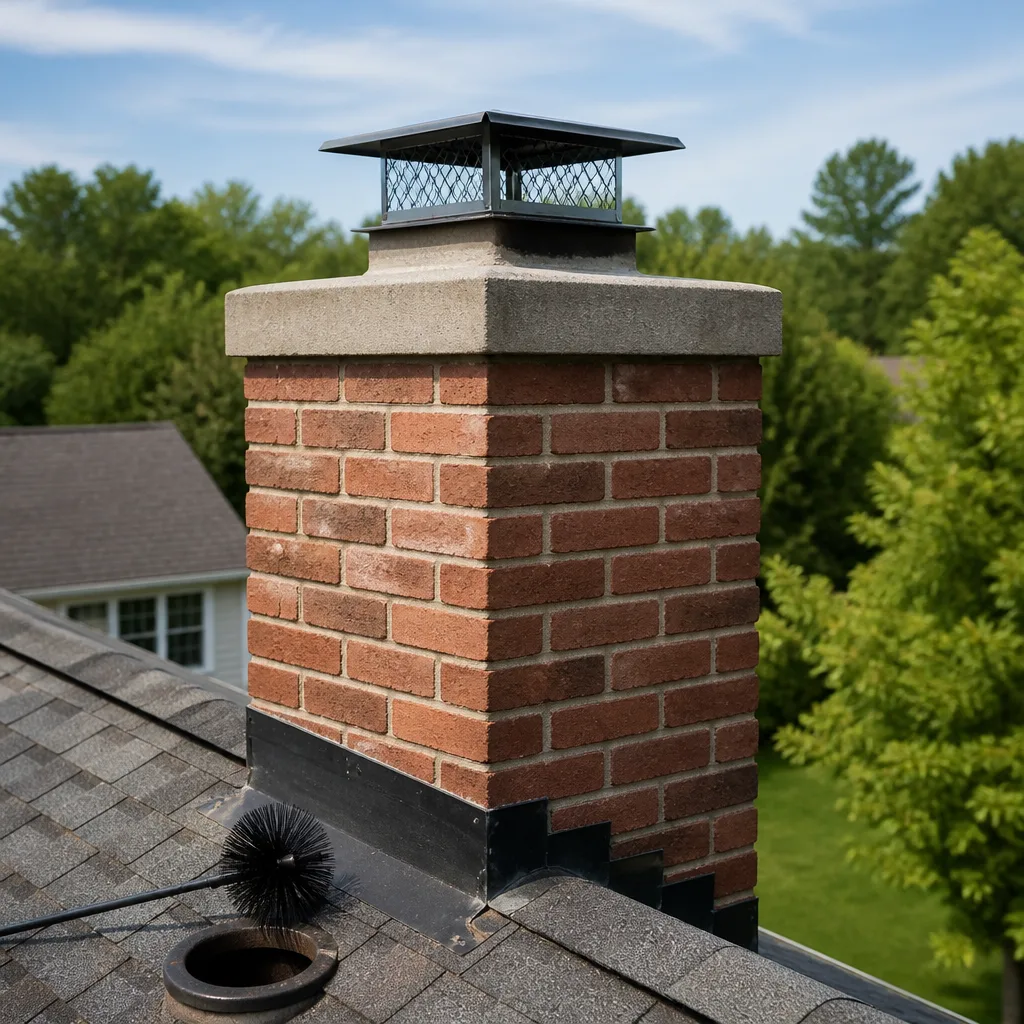 Sweep & inspection
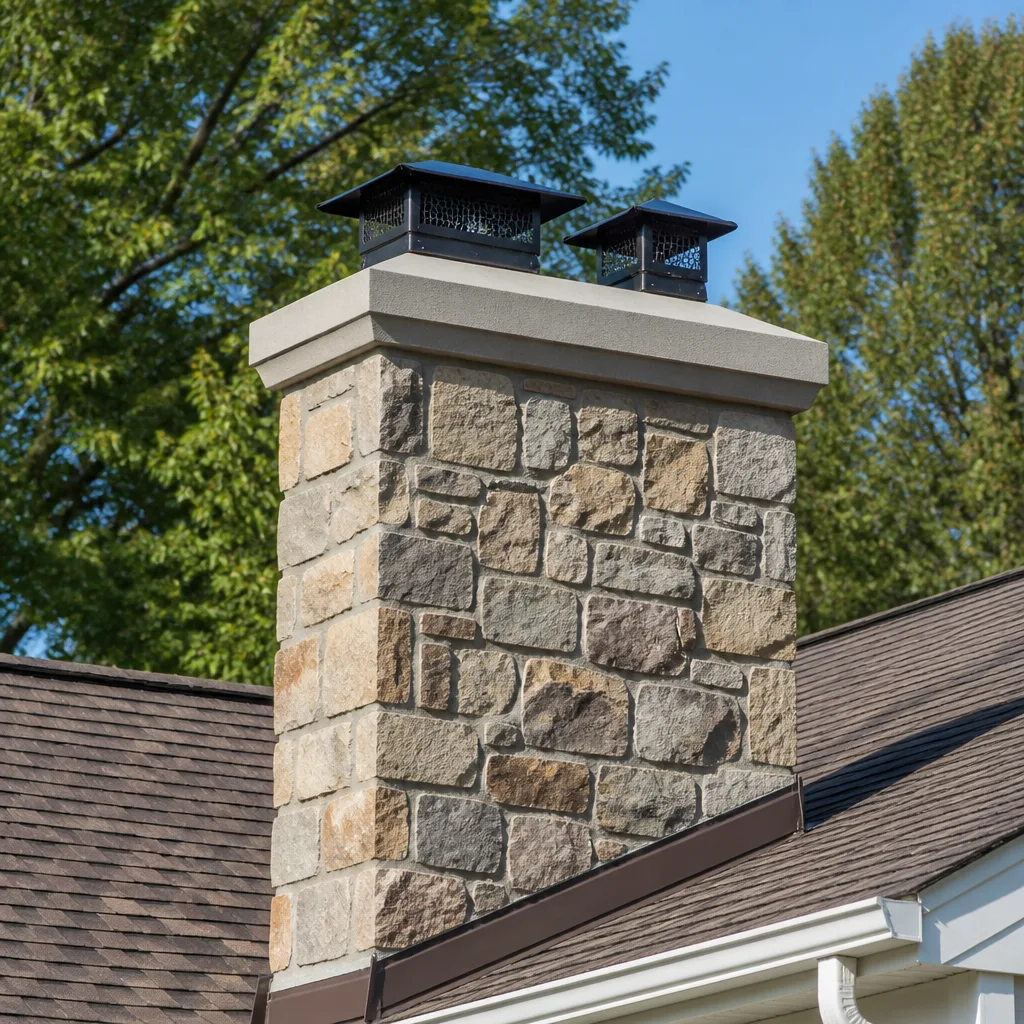 Caps & crowns
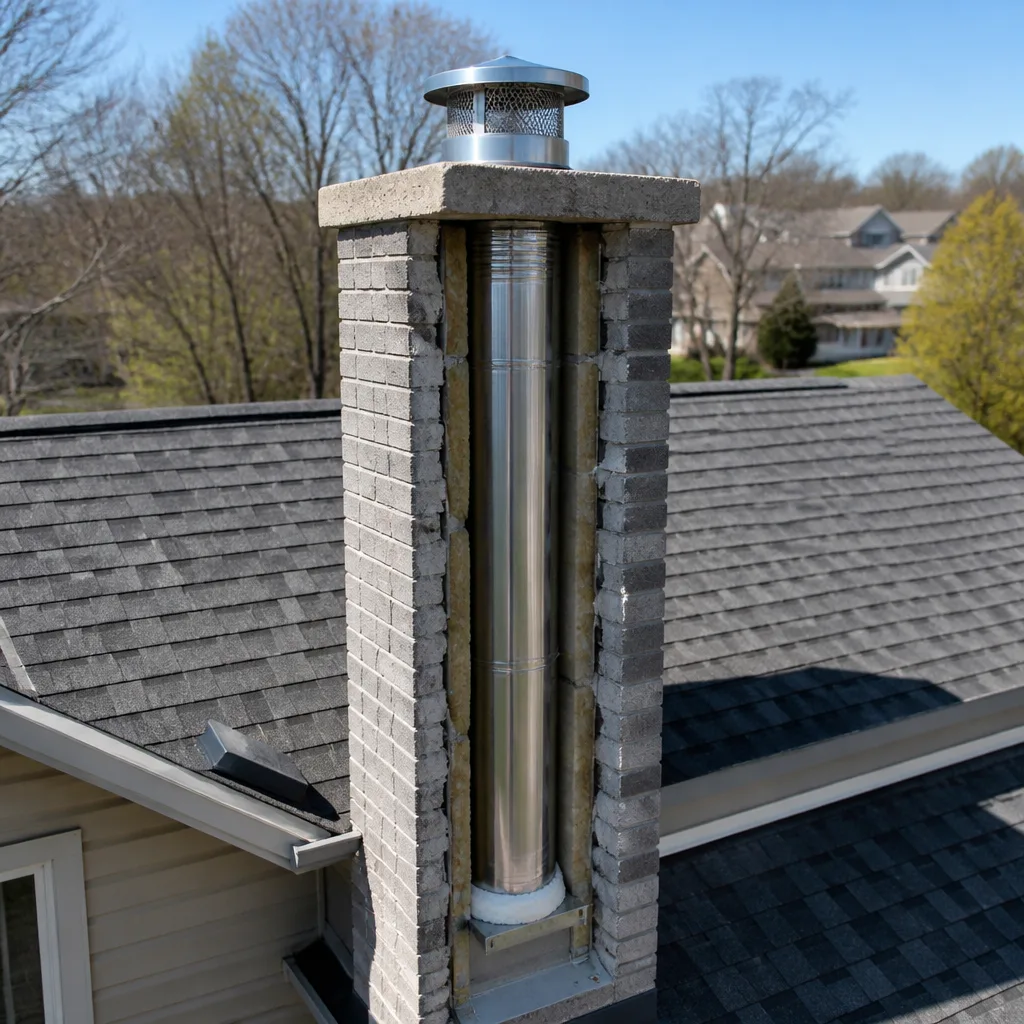 Flue relining
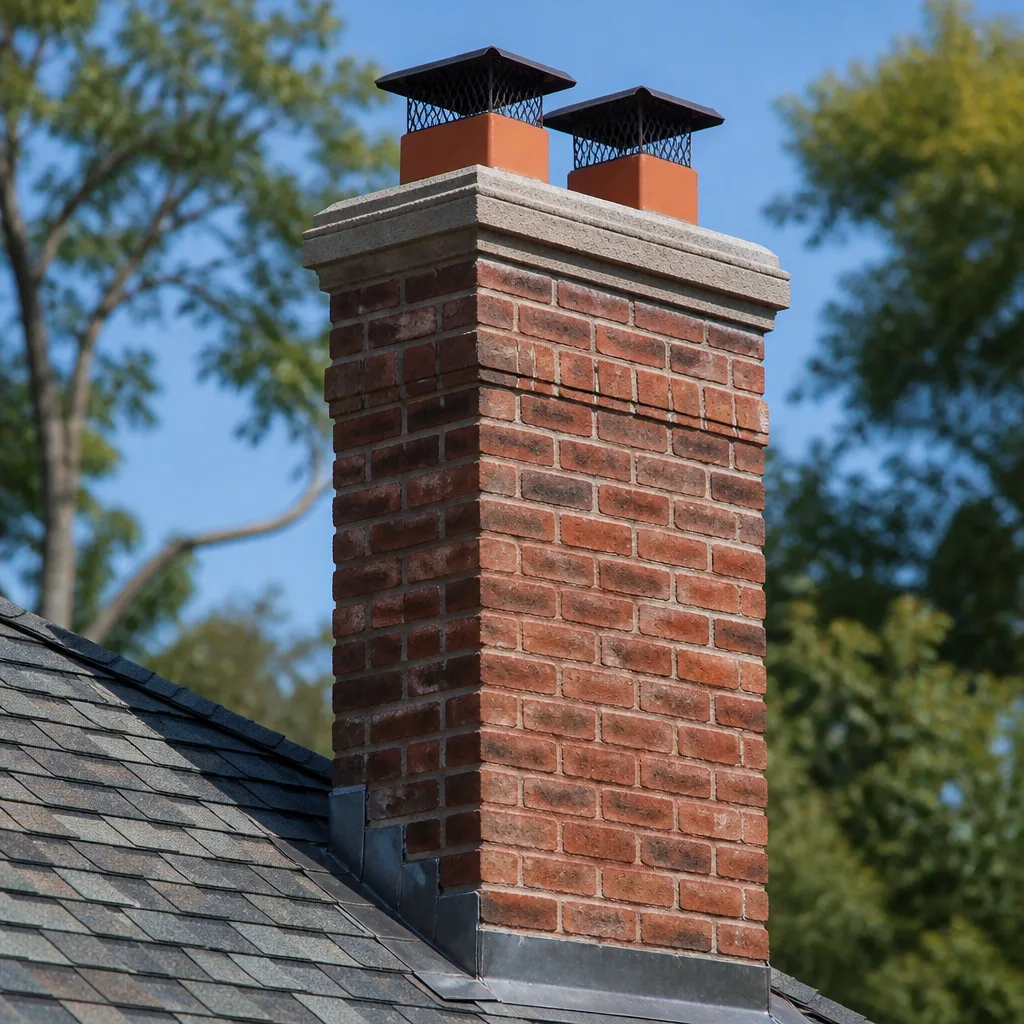 Masonry repair
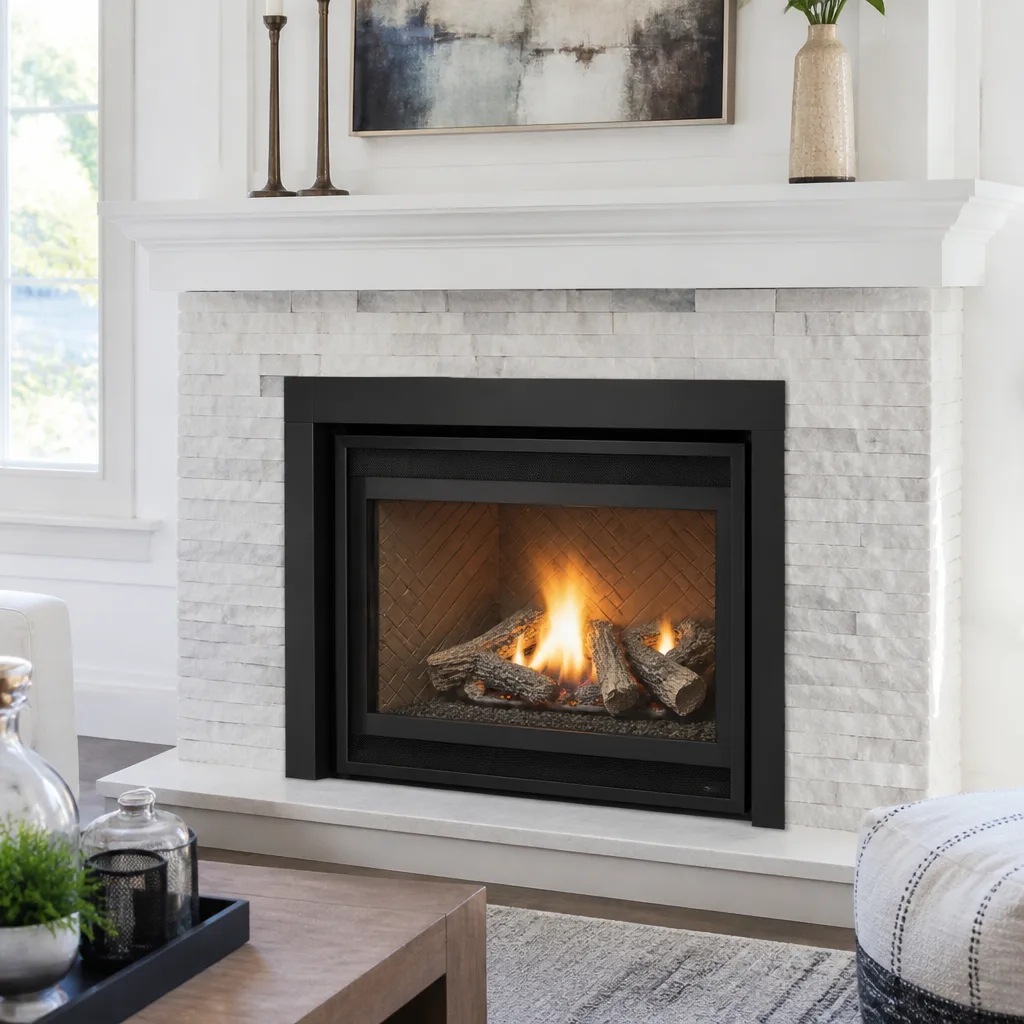 Gas fireplace service
Level 1 sweep and inspection to the NFPA 211 annual standard - flue, crown, cap, and flashing checked and photographed
Chimney sweep logs do not sweep chimneys. They loosen some creosote - which then falls where a brush and vacuum still have to collect it.
Chimney Cleaning Emergency Preparedness Guide for West Seattle Homes
A chimney fire doesn’t always announce itself with a roar. Sometimes it’s a low rumble you mistake for wind in the firs, a sound so ordinary you go back to your book. By the time you understand what you’re hearing, the flue temperature has already climbed past 2,000°F and the creosote inside it is burning. The gap between that moment and a house fire is measured in seconds and in whether you already know what to do. This guide covers the two chimney emergencies that actually happen in West Seattle homes – chimney fires and carbon monoxide events – with the immediate response for each, the inspections required afterward, and the preparation that makes the difference. Read it once now, while nothing is burning.
Quick Answer
If you suspect a chimney fire, call 911 first, close the fireplace doors or glass front, and never open the damper – cutting the air supply starves the fire and opening the damper feeds it. For carbon monoxide, get everyone outside into fresh air and call 911, then treat the chimney as the likely source until an inspection proves otherwise. Both emergencies require a professional chimney inspection before the fireplace is used again, and no cleaning should happen until that post-fire assessment is done.
Styles & brands we work with
- Sweep & inspection
- Caps & crowns
- Flue relining
- Masonry repair
- Gas fireplace service
Table of Contents
- The First 60 Seconds of a Chimney Fire
- 911 or a Chimfex Suppressor? Knowing the Difference
- Carbon Monoxide: The Emergency Homeowners Underestimate
- What to Do After a Chimney Fire, Before You Light Again
- Pre-Emergency Preparedness: Detectors, Cleanouts, and the Number on the Fridge
- Documenting the Emergency for Your Insurance Claim
- What Makes West Seattle Chimneys Different
- Prevention: The Boring Work That Prevents the Emergency
The First 60 Seconds of a Chimney Fire
The first minute decides how the next hour goes. A chimney fire feeds on two things: creosote deposits on the flue walls and the oxygen flowing up through the firebox. You control the second one. Everything in the immediate response comes down to denying the fire air while you get help moving.
Here is the sequence, in order:
- Call 911. Do this before anything else. Even a small chimney fire can spread into framing you cannot see, and firefighters would rather arrive to a fire that’s already out than arrive late to one that isn’t.
- Get everyone out of the house. People first, then the call if you haven’t made it. A chimney fire is a house fire until proven otherwise.
- Close the glass doors or fireplace front. If your fireplace has doors, shut them. This limits the air drawn into the firebox.
- Do not open the damper. This is the mistake that turns a contained chimney fire into an uncontrolled one. An open damper is a chimney sucking air, and that air feeds the burning creosote.
- If you have a chimney fire extinguisher such as a Chimfex stick, use it now – but only if the fire is still inside the flue, you can reach the firebox safely, and you’ve already called 911.
- Stay out and wait for the fire department. Do not go back in to check on the fire or grab belongings.
Notice what’s not on this list: spraying water up the flue. Water on a 2,000°F flue can crack masonry and liner tiles, and a garden hose won’t reach the fire anyway. Notice also that nobody is told to climb onto the roof. If you’re in West Seattle and the fire is roaring at the top of the chimney, that’s a firefighter’s job, not yours. The single most useful thing you can do in the first minute is call and then get out of the way.
One more point that surprises people: a chimney fire can burn itself out and still leave the house dangerous. The visible flames going away is not the same as the emergency being over. It means the next phase – assessment – begins.
911 or a Chimfex Suppressor? Knowing the Difference
Both have a place, and the confusion between them is one of the reasons chimney fires go wrong. The short version: a suppressor is a tool for a fire you’re confident is small and contained. 911 is the right call for everything else, and most chimney fires fall into “everything else.”
When to call 911
Call 911 immediately if any of these are true:
- You can hear a rumble, roar, or a sound like a freight train from the chimney
- Flames or sparks are visible at the top of the chimney
- Smoke is entering the room, or the glass doors are blackening quickly
- You smell burning that isn’t wood smoke
- The fire has been burning longer than you’d expect and the chimney is hot to the touch
- Anyone in the house feels unwell, dizzy, or has a headache
In any of these cases, a suppressor is not a substitute for the fire department. Call, then use the suppressor if you have one and can do so safely and quickly on the way out.
When a Chimfex suppressor is appropriate
A chimney fire extinguisher like a Chimfex stick works by releasing a smoke-suppressing compound up the flue that removes oxygen from the fire. It’s appropriate when the fire is small, you’ve already called 911 or are about to, the firebox is accessible and cool enough to approach, and you’re not putting yourself in danger doing it. It is not appropriate to skip the call because you have a stick on the shelf. The stick buys the fire department time. It doesn’t replace them.
Keep the sticks where you can reach them quickly – near the hearth, not in the basement or the back of the garage. West Seattle homeowners with older fireplaces and heavy wood-burning habits should treat a suppressor as standard hearth equipment, right alongside the poker and the ash bucket. And then replace it if you use it, because a spent stick doesn’t work twice.
Carbon Monoxide: The Emergency Homeowners Underestimate
Chimney fires are dramatic. Carbon monoxide poisoning is quiet, and that’s what makes it the deadlier of the two. CO is colorless, odorless, and tasteless, and it doesn’t come in with a roar. It seeps in while you’re asleep.
Every chimney draws smoke up and out because of pressure and temperature differences, and anything that interrupts that draw forces combustion gases back into the room. A blocked flue, a cracked liner, a collapsed flue tile, or a cap clogged with debris will do it. So will a fireplace running with a closed damper, a common mistake in a cold snap. The gas doesn’t know it’s supposed to go up. It finds the path of least resistance, and that path is usually into the living room.
Why West Seattle’s housing stock makes CO risk worse
West Seattle’s older homes, tighter envelopes, and weatherization improvements change how a chimney drafts. A house that was drafty in 1965 may now be sealed tight enough to fight the chimney for air. When the pressure inside the house is lower than the pressure in the flue, the flue reverses. This is called backdrafting, and it’s more common in homes that have been weatherized, added onto, or fitted with modern windows and doors. Neighborhoods across the peninsula, from the older bungalows to the hillside homes with added stories, see plenty of this. A chimney that worked fine five years ago can start backdrafting after a remodel or window replacement, and the first sign of the problem is often a CO alarm, not a smoke smell.
What to do for a CO event
- Get everyone, pets included, out of the house into fresh air
- Call 911 from outside
- Don’t go back in until the fire department says it’s safe
- Don’t assume the chimney was the source – but don’t rule it out either
- Once the house is cleared, schedule a professional inspection before using the fireplace again
The house can be cleared of CO and still have an unsafe chimney. That’s why the inspection afterward isn’t optional. It’s how you find the crack or the blockage that caused it, and the fix is usually less involved than homeowners fear. A thorough inspection with a camera comes first, and a repair recommendation follows from what the camera shows.
What to Do After a Chimney Fire, Before You Light Again
Here’s where the biggest gap in chimney emergency knowledge shows itself. A homeowner who had a chimney fire calls a cleaning company, the cleaning company sweeps and leaves, and the fireplace gets used again the next winter. Six months later, an inspection finds a cracked flue tile, damaged mortar joints, or fire-stopping material that was breached and never caught. The fire did its damage, and the sweep was never the right tool for the job.
A chimney fire can crack flue tiles, warp a metal liner, damage the mortar between tile sections, and open gaps in the structure that lead into framing. A sweep removes creosote. It doesn’t assess structural damage. Which means the right next step after any chimney fire is not a sweep. It’s a chimney sweep, yes, but done as the front half of a formal inspection – and specifically a Level 3 assessment if conditions call for it.
Why a Level 3 assessment matters after a fire
Chimney inspections come in three levels. A Level 1 is a routine check of the readily accessible parts. A Level 2 adds a camera run of the flue, and is what we do for most condition-based inspections and after any fire of unknown severity. A Level 3 is the deepest assessment and may involve opening finished walls or removing parts of the chimney to see what’s underneath. After a blaze intense enough to crack tiles or breach a liner, the damage often lives where a standard inspection can’t see it. The Level 3 is how that damage gets found.
Any chimney professional who skips the post-fire assessment and jumps straight to the cleaning bucket is leaving structural damage unexamined. That’s not a service problem – it’s a safety problem. A cracked flue pulls carbon monoxide into the house every winter night the fireplace runs, and nothing about the fireplace itself will look different. This is where we draw a firm line: no cleaning, no relighting, no “it’s probably fine” – inspection first.
The post-fire sequence, in order
- Fire department clears the house as safe
- Formal inspection with a camera, at the level the situation requires
- A written report with photos showing what was found
- Repairs: liner restoration, tile replacement, or relining, based on what the inspection found
- Sweep only once the structure is confirmed sound
That last point sounds backward to some, but it’s the right sequence. Cleaning a damaged flue risks loosening material that could worsen the damage. The inspection leads, everything else follows from what it shows.
Pre-Emergency Preparedness: Detectors, Cleanouts, and the Number on the Fridge
The quiet work you do before anything happens is what turns a chimney emergency from a scrambling disaster into a managed problem. The good news is that almost all of the preparation is cheap, quick, and involves no climbing.
Detector placement
You want both smoke detectors and CO alarms, and they need to be in the right places. For CO specifically:
- One on every level of the home, including the basement
- One outside each sleeping area, so an alarm wakes the household
- One in the room with the fireplace, near the ceiling
- Keep them 15 feet away from fuel-burning appliances to avoid nuisance false alarms
Test them once a month, and replace CO alarm batteries with the same discipline you use for smoke alarms. If you don’t have a CO alarm in the fireplace room yet, that’s the first thing to buy this week. A CO alarm costs less than a dinner out and is the single highest-value item in chimney emergency preparedness.
Know your cleanout access
Every chimney has a cleanout, and every homeowner should know where it is before an emergency. When soot and ash land in a pile and need to come out, that door is where they go. It’s often a small metal door in the basement, in a crawlspace, behind a panel in a closet, or on the outside of the chimney. Find yours now. Clear the space in front of it. If it’s been painted over or rusted shut, that’s a repair to schedule, not a problem to discover mid-sweep.
The number on the fridge
Post two numbers where anyone in the household can find them quickly: 911 and your chimney professional. When something’s going wrong, nobody wants to be squinting at a phone screen trying to remember who did the last inspection. A slip of paper on the fridge or a contact in the household’s shared phone list is enough. Have the fireplace swept and inspected on a regular schedule so the number you post is one you know, and keep the most recent inspection report with the number.
The information to have ready for a 911 call
Speed matters on the call. Have these details ready so you can give them without hesitating:
- Your address, including any difficult access or gate details
- That there is a chimney fire, and when it started
- Whether flames, smoke, or sparks are visible and where
- Whether anyone is still inside
- Whether anyone feels unwell, has a headache, or is dizzy
- The age and type of the fireplace if you know it, wood or gas
Put that list in the same place as the two numbers. You’ll never remember all of it in the moment, which is the point.
Documenting the Emergency for Your Insurance Claim
Chimney fire claims go more smoothly with documentation assembled as it happens, not reconstructed from memory weeks later. Seattle-area insurers want to see a clear timeline and independent evidence that the damage is real and caused by the event.
What to gather
- Photos, taken before anything is cleaned up. The exterior of the chimney, the firebox, the flue if safely visible, and any smoke or water damage inside. Do this once the fire department has cleared the house.
- The fire department’s report. Ask for a copy. It’s the independent record of the event and the strongest piece of documentation in a claim.
- Your fire alarm and CO alarm activation times, if you can recall them. These help establish the timeline.
- The professional inspection report. Ask that it include photos of every finding, the inspection level performed, and a written description of the damage. An inspection report is what turns “I think I had a chimney fire” into a documented damage claim.
- Your timeline, written down. When you first noticed the fire, what you did, when 911 was called, and when the fire department cleared the scene.
What insurers typically ask for
Most chimney fire claims get reviewed on three questions: was the event sudden and accidental, was any part of the chimney already in a deteriorated condition that contributed to it, and is the damage documented independently. That second question is the one that matters most, and it’s the reason a professional inspection report is worth having in hand before the adjuster calls. If a claim is denied, it’s usually because a deteriorated flue or an overdue cleaning was argued as neglect, not because the fire wasn’t real.
Before you file, read the policy language on maintenance and chronic deterioration. It matters. Then get the inspection done, get the report with photos, and file with the report attached. If a claim comes down to whether the flue was already compromised, a written inspection from a chimney specialist carries weight. Get the inspection done before repairs, not after – once the damaged material is removed, you’ve lost the evidence the adjuster needs.
What Makes West Seattle Chimneys Different
West Seattle’s chimney risks aren’t the same as the rest of the country’s, and they aren’t even the same as the rest of Seattle’s. The reasons are geographic and architectural, and they’re worth knowing.
Winter rains and the wet-dry cycle
West Seattle winters are wet. Masonry chimneys absorb moisture during the rainy months and then dry out in the summer. That freeze-thaw and wet-dry cycling is hard on mortar joints, crowns, and flue tiles, and it’s a slow wear pattern that shows up as cracked crowns and spalling masonry more often than a single catastrophic failure. A chimney cap and a sound crown are what keep that water out in the first place. A properly fitted chimney cap & crown is the quietest piece of chimney protection you can buy, and it’s the layer West Seattle weather keeps testing.
The rain also means debris. Fir needles, leaves, and nesting material collect on top of chimney caps and storm screens through the fall, and a clogged cap is a carbon monoxide setup waiting to happen. Clearing the cap annually and confirming the storm screen is intact is one of the cheapest, highest-value maintenance items on a West Seattle home.
Tighter homes and backdrafting
West Seattle home remodeling has tightened older houses considerably. New windows, insulated attics, and additions reduce air infiltration, and a tight house can starve a fireplace of the air it needs to draw properly. When the flue doesn’t draft cleanly, combustion gases have a path back into the room, and that path is CO. This is a house-level interaction, not a chimney-level one, which is why a proper inspection looks at the whole system, from firebox to cap.
Wood-burning habits
West Seattle still has a strong culture of wood burning, and a cold snap in December means the fireplace runs hard. Seasoned wood burns cleaner than green wood, and hardwoods like alder, maple, and fir that’s properly dried produce less creosote than the wetter, denser stuff. If the woodpile has been sitting uncovered since the fall, it’s wetter than you think, and wet wood builds creosote faster. Keeping the woodpile covered and burning well-seasoned wood is the single most effective creosote-reduction habit a West Seattle household can build.
Prevention: The Boring Work That Prevents the Emergency
Chimney fires are, almost without exception, preventable. Creosote accumulation is the fuel source, and a fireplace swept on schedule doesn’t build up creosote to ignition levels. The whole emergency preparedness conversation stays academic when a chimney gets swept and inspected on a routine cadence.
How often to sweep
A chimney used regularly should be swept annually, and inspected at the same time. Heavily used fireplaces – a household that burns wood daily through the winter – should be swept more often, sometimes twice a season. For gas fireplaces, the sweep schedule is lighter but the inspection still matters, because gas appliances also produce carbon monoxide and have their own venting concerns. The safest rule: if you can’t remember when the last sweep was, it’s time.
What a good inspection catches
A camera inspection finds the problems before they become emergencies. Cracked flue tiles, deteriorating mortar joints, a warped or failing metal liner, a damaged crown, a loose cap, and chimney structure that’s separated from the house. Left unaddressed, each is a carbon monoxide risk or a fire risk. Caught early, each is a manageable repair. The whole point of the specialist approach is that we inspect before we recommend, and the inspection report with photos is what lets a homeowner decide from evidence rather than from a sales pitch.
When a repair beats a replacement
Not every deteriorated liner needs a full reline. A flue with a sound structure underneath and a worn inner surface can often be restored with ceramic resurfacing using a system like HeatShield, which rebuilds the flue interior from within. A liner that’s structurally compromised, or where the flue tiles have separated and insulation can’t be placed behind a resurfaced layer, is a reline case, using a system like DuraFlex. The distinction matters because homeowners are routinely quoted relines they may not need. A camera inspection decides between restore and replace, and the homeowner should see the camera footage before committing to either. We source from the professional brand lines – DuraFlex, HeatShield, Gelco, Olympia Chimney, Famco, and Copperfield – because liners, caps, and crowns are not hardware-store parts. They’re specified by chimney professionals for durability, and they’re what we install.
Common Mistakes to Avoid
- Opening the damper to “let the fire out.” This is the most dangerous mistake in the whole book. An open damper feeds oxygen to a chimney fire and turns a contained blaze into an uncontrolled one. Close the glass doors and keep the damper shut.
- Skipping the inspection after a fire and going straight to a sweep. A sweep removes soot. It cannot tell you whether the flue tiles are cracked or the liner was damaged. The post-fire assessment is the safety step, and no sweep should happen until it’s done. This applies to every West Seattle chimney fire, large or small.
- Relying on the smoke detector to cover CO. A smoke detector does not detect carbon monoxide. CO is colorless and odorless, and a smoke alarm will never warn you about it. You need both, in the right places.
- Burning wet or unseasoned wood to save money. Wet wood burns cooler and produces more creosote per cord than properly dried wood, and more creosote means more chimney fire risk. Cover the woodpile, buy seasoned, and let it dry.
- Ignoring a backdraft smell after remodeling or new windows. A house that drafts poorly after weatherization is a house at risk of CO backdrafting. A funny smell when the fireplace lights is a sign to inspect, not to shrug off.
- Not knowing where the cleanout is until the flue is full. Find it now, clear the space in front of it, and know how to open it. This is not the thing to discover on a cold night with a chimney full of soot.
- Letting the cap and crown go unmaintained through West Seattle winters. A clogged cap or cracked crown lets water into the chimney and restricts the exhaust. Annual checks keep both problems from building up. A little attention in the fall prevents a bigger problem in the winter.
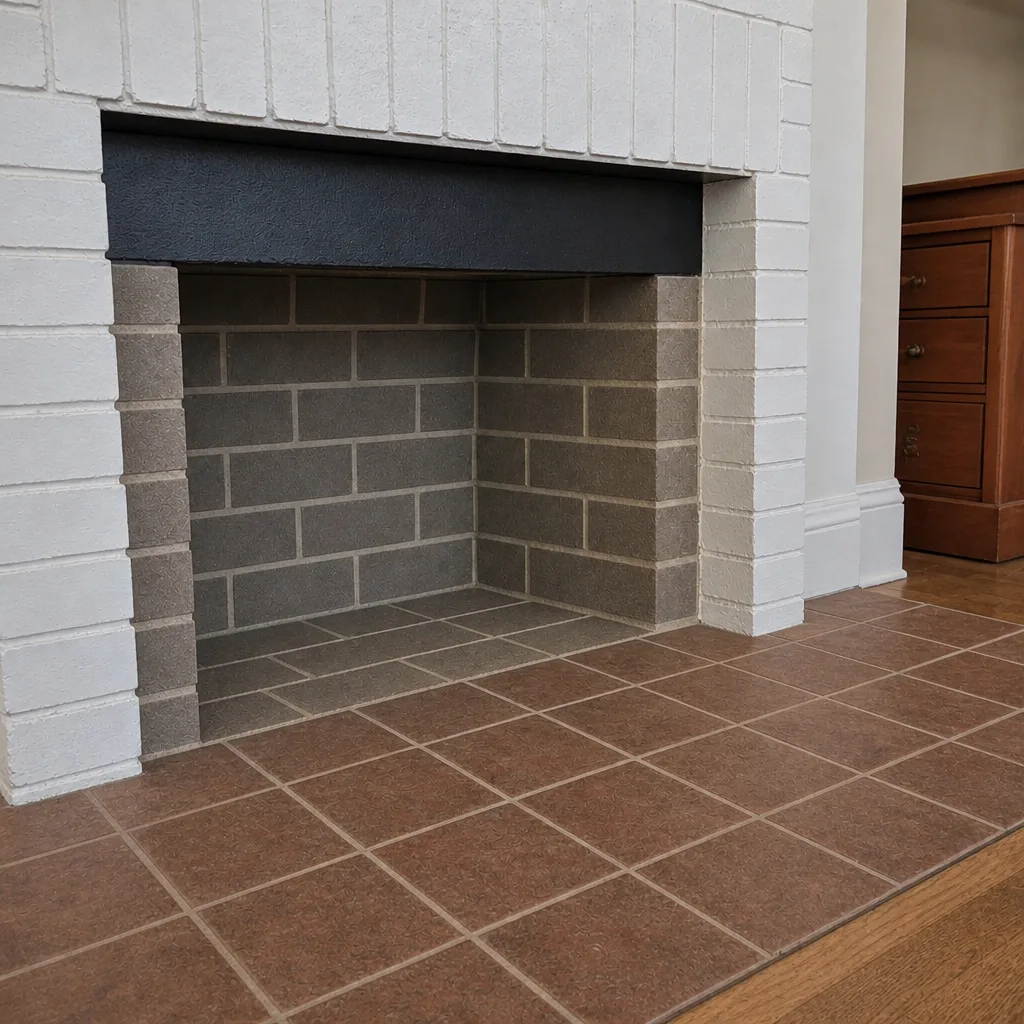
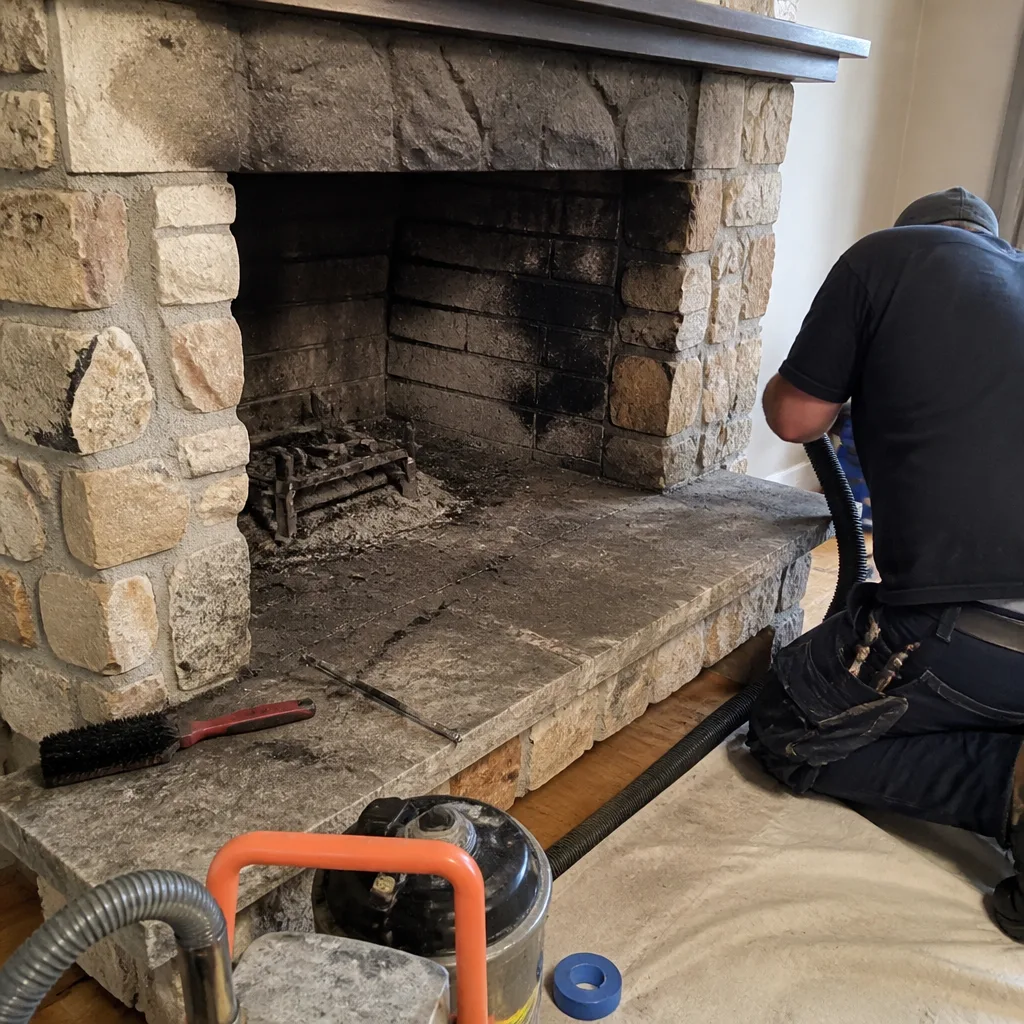
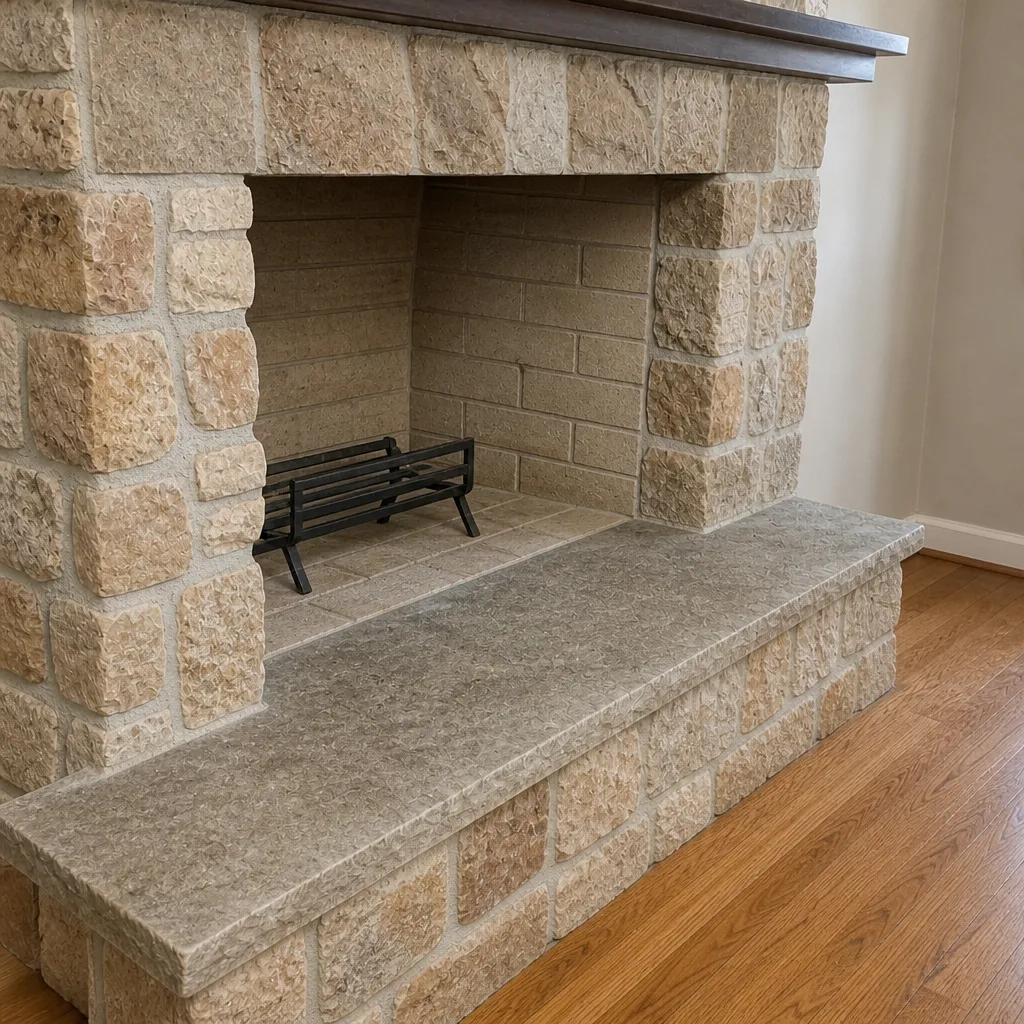
See the difference
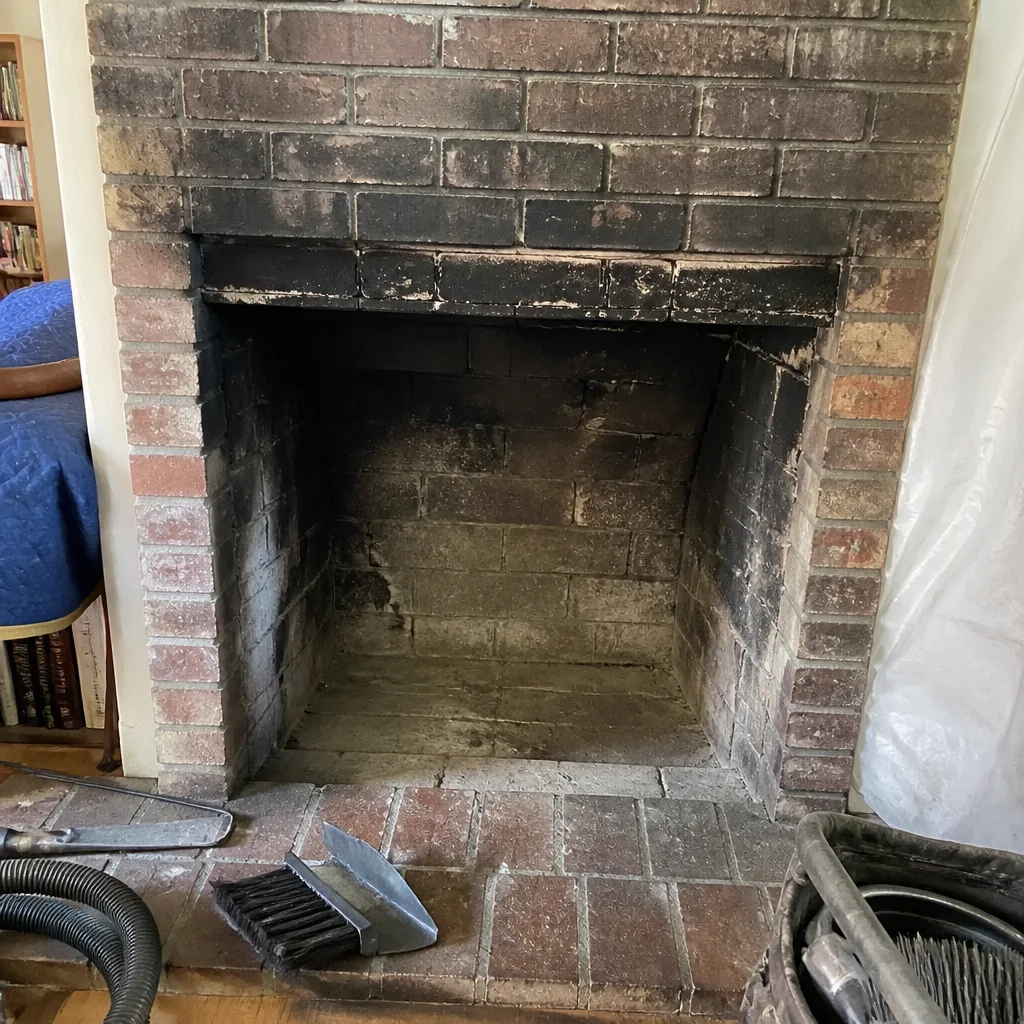 Before
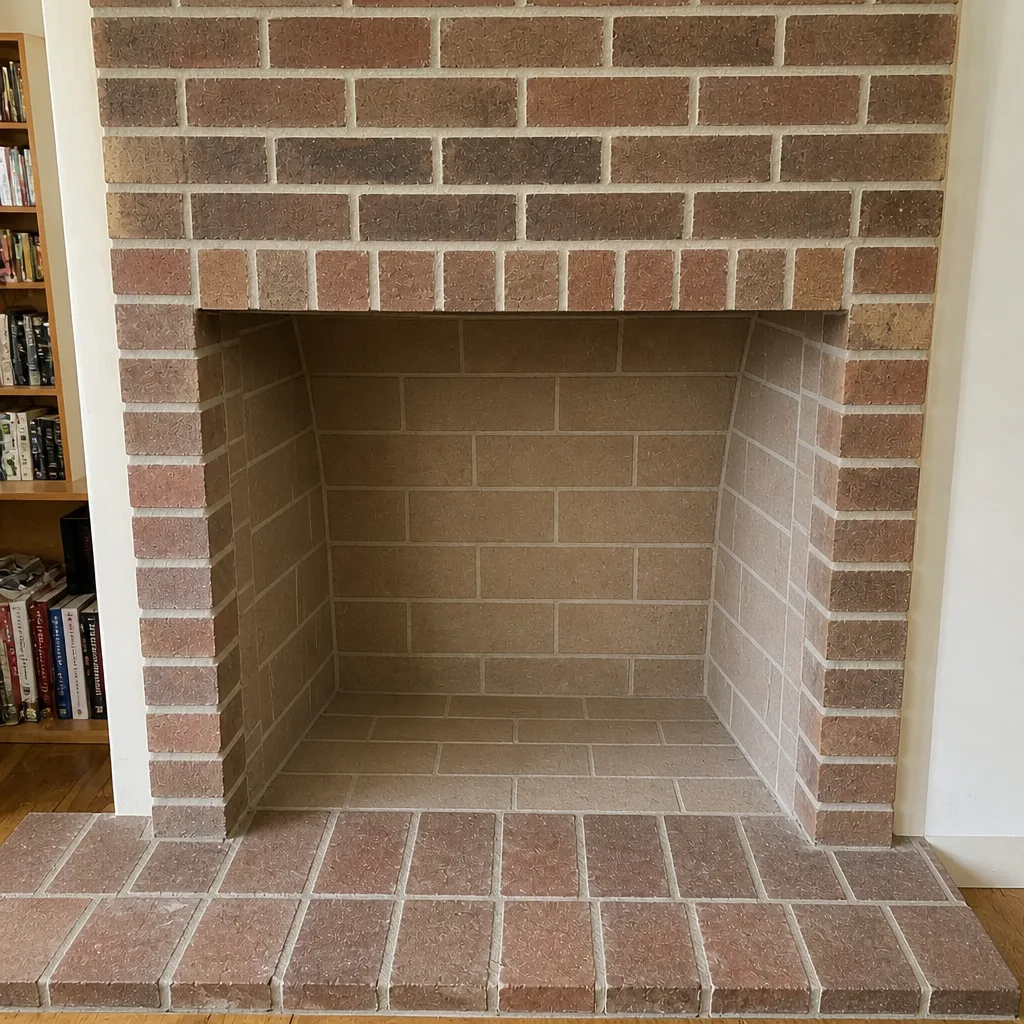 After
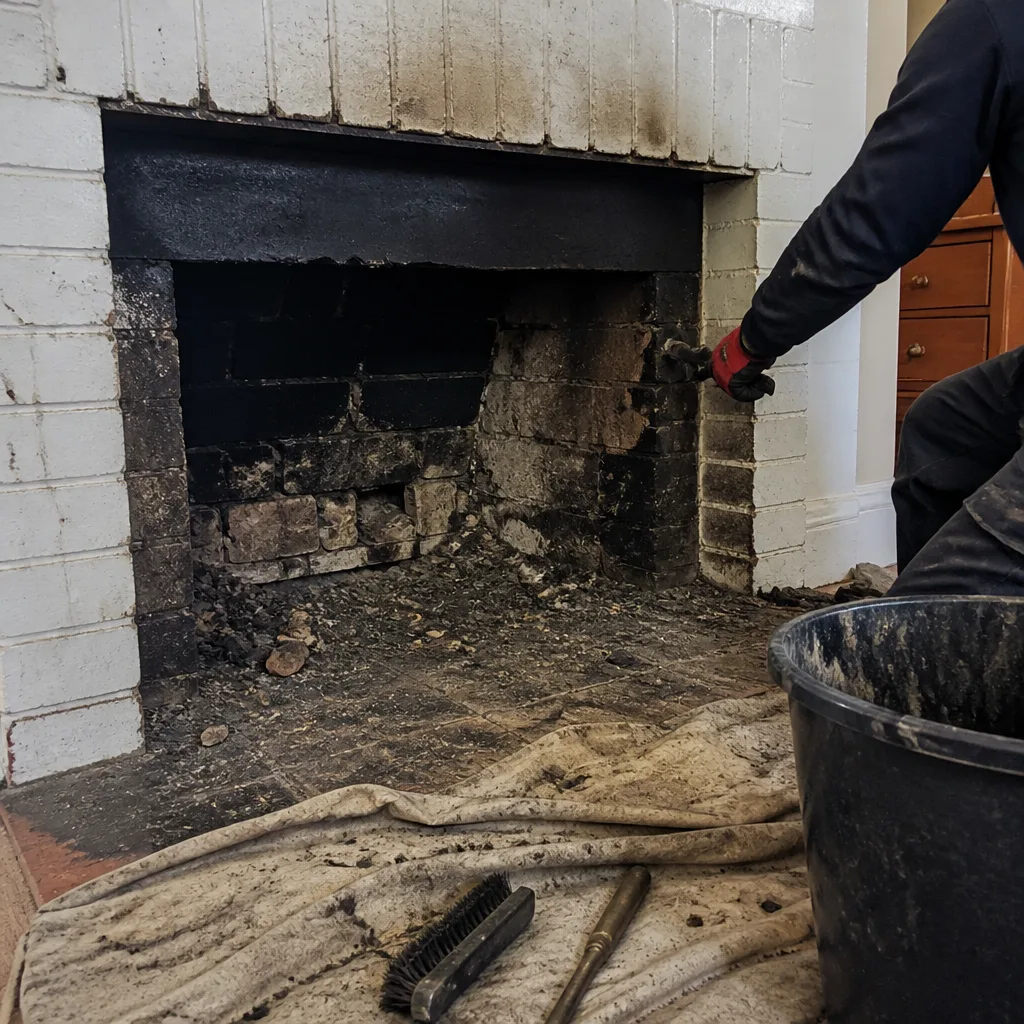 Before
 After
 Before
 After
When to Call a Professional
Call a professional in four clear situations. First, after any chimney fire, before the fireplace is used again – no exceptions. Second, if a CO alarm has gone off or if anyone in the house has experienced CO symptoms, even mild ones, especially after a fireplace has been running. Third, if the chimney has visible damage – a cracked crown, loose cap, spalling masonry, or white staining on the exterior – because that damage lets water in and can undermine the flue. Fourth, if it has been a year or more since the last sweep and inspection, or if you don’t know when the chimney was last serviced.
Chimney Sweep West Seattle offers free estimates in West Seattle – call (877) 447-9894. If you’re not sure whether you have an emergency or a maintenance issue, that’s exactly the conversation worth having. The local professional is licensed and insured as the state requires, and
Frequently Asked Questions
Call 911 first, then get everyone outside. Close any glass fireplace doors, and do not open the damper – an open damper feeds the fire and makes it worse. Once the fire department has cleared the house, schedule a professional inspection before using the fireplace again. If you have a chimney fire extinguisher like a Chimfex stick and the fire is small, use it on the way out, but never in place of the 911 call. Call us for the inspection after the fire department has cleared the scene.
Chimney sweeping is priced by the job, and the written estimate sets the final price. Pricing varies with the type and condition of the chimney, whether a camera inspection is included, and whether repairs are needed, so we don’t quote a number before we’ve looked at the chimney. The estimate is free and the price is set before booking, not after. Call (877) 447-9894 for an exact quote.
Yes – every chimney fire, large or small, requires an inspection before the fireplace is used again. A small fire can still crack flue tiles, warp a metal liner, or open gaps in the mortar joints that are invisible from the firebox. The post-fire Level 3 assessment is what catches this damage. Skipping it means running a fireplace that could be pulling carbon monoxide into the house. Call us to schedule the inspection – the estimate is free.
Once a year is the standard for a regularly used wood-burning fireplace, and more often – sometimes twice a season – if the household burns wood daily through the winter. A gas fireplace needs annual inspection too, since gas appliances also produce carbon monoxide. The simplest rule: if you can’t remember the last sweep, it’s time. Call (877) 447-9894 to get on the schedule.
Creosote builds up on the flue walls, and enough of it can ignite into a chimney fire. Separately, a blocked or cracked flue can force carbon monoxide back into the house. Both are real risks, not theoretical ones. The good news is that routine sweeping and inspection prevent both. Call (877) 447-9894 for a free estimate.
No – not if you want to know your chimney is safe. A DIY brush removes soot from the flue, but it doesn’t assess structural damage, doesn’t run a camera, and doesn’t produce an inspection report you can show an insurance adjuster after a fire. Routine sweeping and inspection belong with a chimney specialist. Call (877) 447-9894 for a free estimate.
The Bottom Line
Two chimney emergencies matter in West Seattle: chimney fires and carbon monoxide events, and each demands a different immediate response. For a fire, call 911, close the doors, and never open the damper. For CO, get everyone outside and call 911 from fresh air. After either, a professional inspection with a camera comes before any cleaning, and no fireplace gets relit until the structure is confirmed sound. The rest is preparation: CO alarms in the right places, a known cleanout, the two numbers on the fridge, and a sweep on a regular schedule. That’s the whole emergency preparedness playbook. Chimney Sweep West Seattle covers the full chimney lifecycle from sweeping through inspection, cap and crown, fireplace repair, and relining. One specialist, the whole chimney. Call (877) 447-9894 for a free estimate. We answer 24/7. Fast dispatch from 7am to 7pm, Sunday through Friday.
Written by the team at Chimney Sweep West Seattle.