
Last updated November 25, 2026
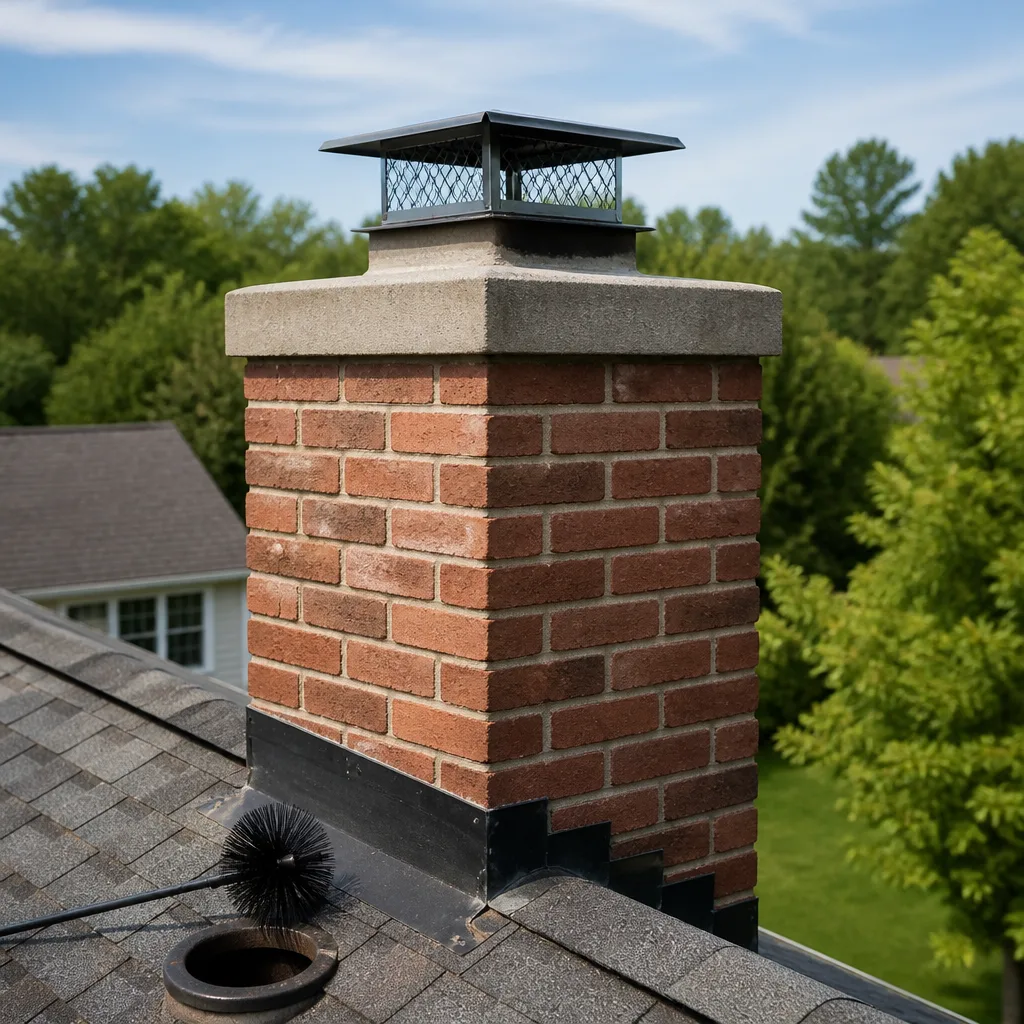 Sweep & inspection
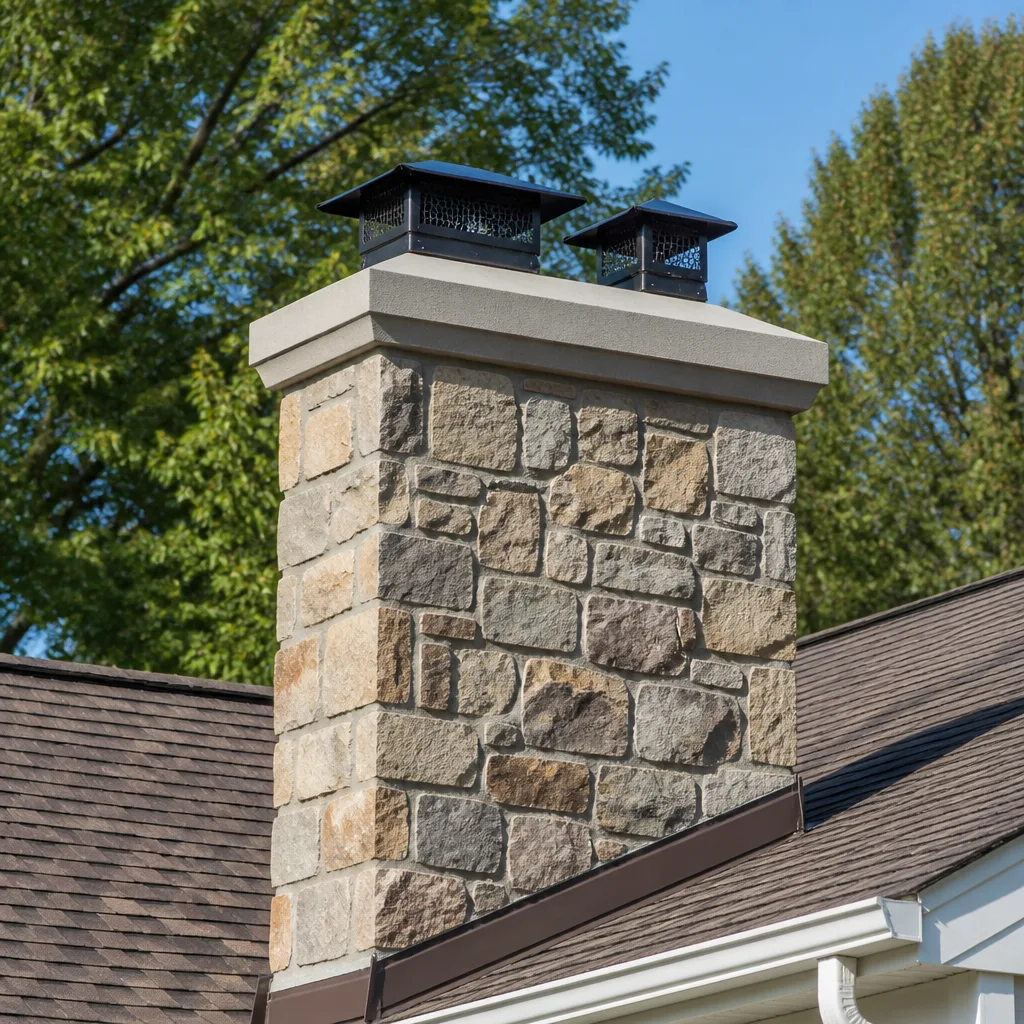 Caps & crowns
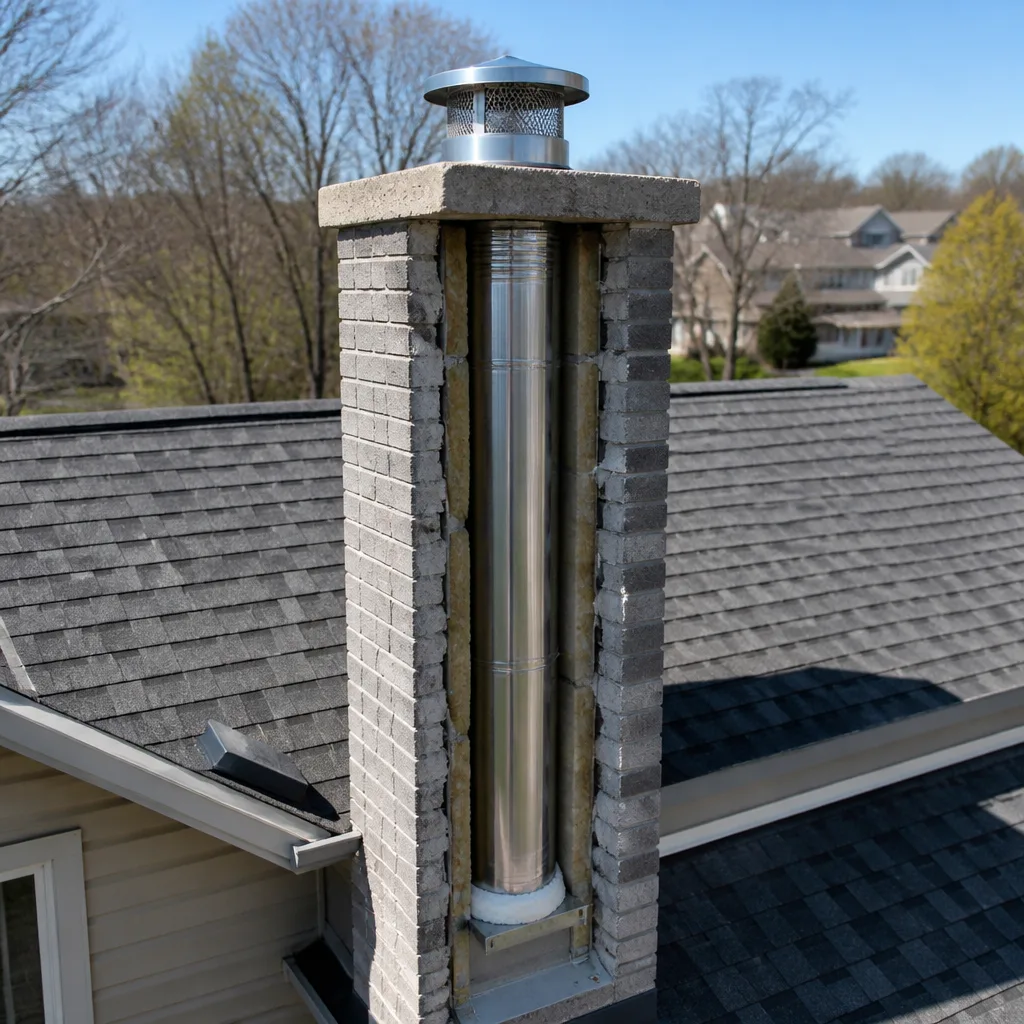 Flue relining
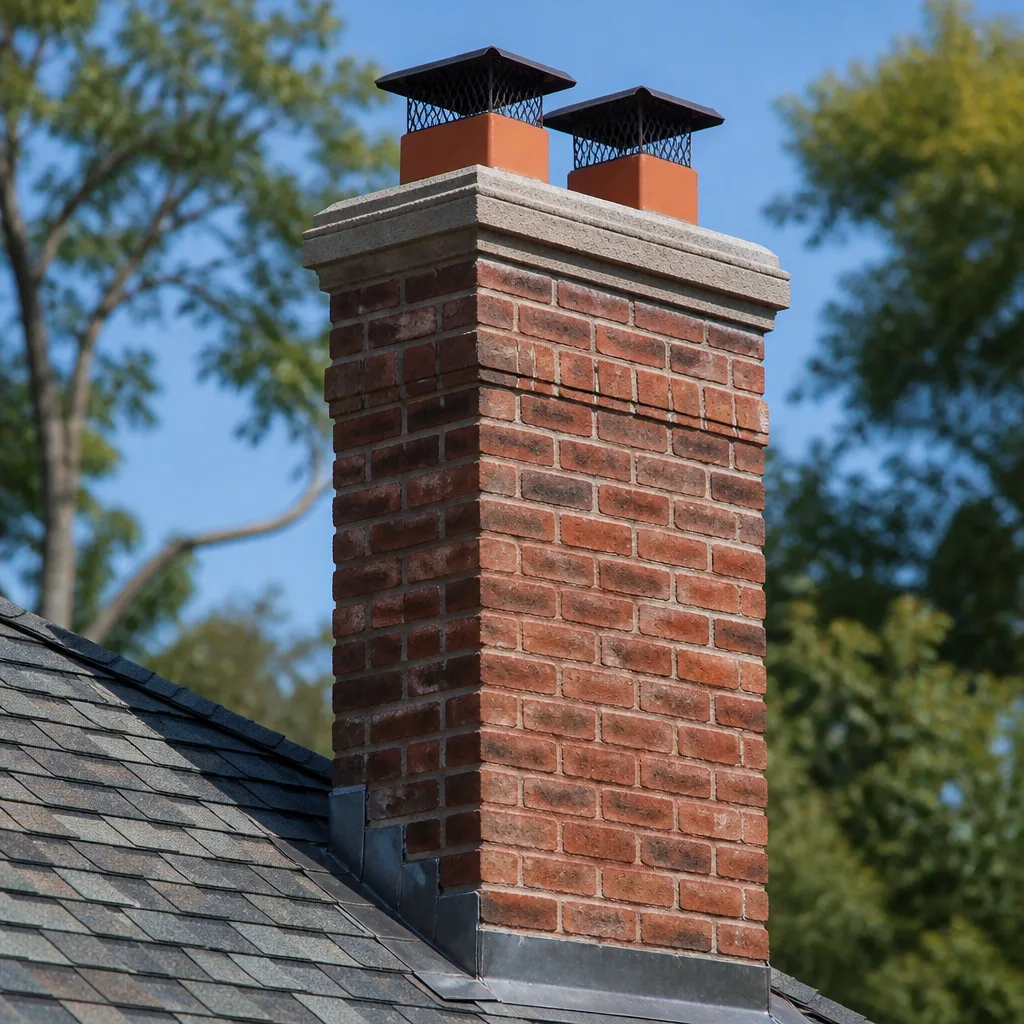 Masonry repair
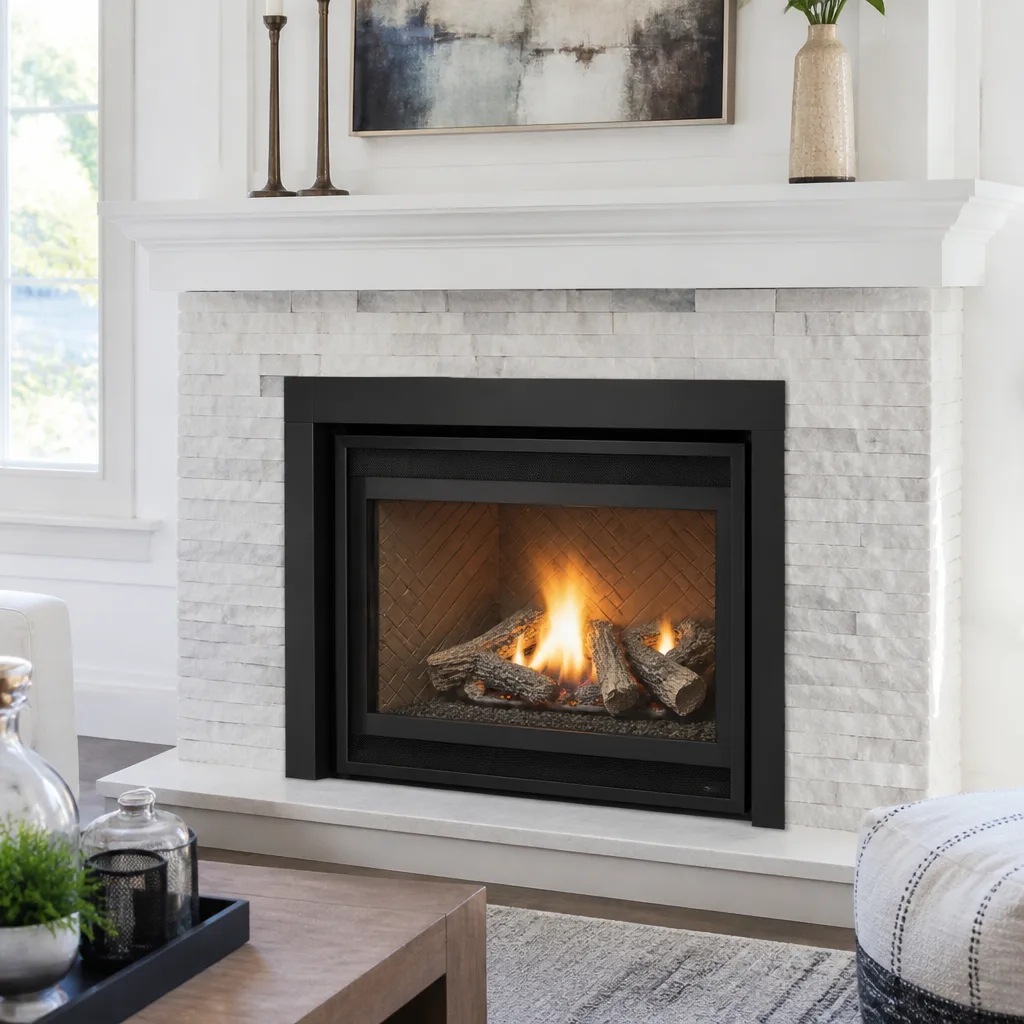 Gas fireplace service
Level 1 sweep and inspection to the NFPA 211 annual standard - flue, crown, cap, and flashing checked and photographed
Chimney sweep logs do not sweep chimneys. They loosen some creosote - which then falls where a brush and vacuum still have to collect it.
Chimney Cleaning Cost Breakdown: The West Seattle Homeowner’s Reference for 2026
Most homeowners assume the cheapest chimney cleaning quote is simply a better deal. It rarely is. A $79 sweep ad and a $340 full-service booking can look like the same job on paper, but they describe two completely different visits: one is a brush-and-go with no camera and no paperwork, the other includes a Level 2 inspection, a written condition report, and a technician who can explain what the camera actually found inside your flue. The gap between them isn’t margin. It’s scope. This guide breaks down what each line item in a West Seattle chimney cleaning actually buys you, what the repair tiers above it cost, and how to compare quotes fairly when contractors present very different paperwork.
Quick Answer
A standard chimney sweep in West Seattle typically runs $150 to $300, and a full-service cleaning that includes a Level 2 camera inspection and written condition report usually lands between $250 and $475. Repair work discovered during that inspection is priced separately, from around $275 for a crown patch to several thousand dollars for a full reline. The written estimate, based on what the technician finds at your chimney, sets the final price.
Styles & brands we work with
- Sweep & inspection
- Caps & crowns
- Flue relining
- Masonry repair
- Gas fireplace service
Table of Contents
- What actually goes into a full-service chimney cleaning
- Why liner inspection is priced separately
- The repair cost tiers you should understand before the inspection
- How to compare quotes when the line items don’t match
- What drives price variation in West Seattle
- Gas fireplaces and insert appliances: different cleaning math
- What actually happens if you skip the sweep
- Common mistakes to avoid
What Actually Goes Into a Full-Service Chimney Cleaning
“Chimney cleaning” is not one thing. It’s a package of components that can be sold together or, more often, split apart by providers trying to advertise an attractive headline number. Understanding the pieces is the first step to comparing quotes honestly.
The three core components
- Flue sweep. A technician removes creosote and soot from the flue with brushes sized to your flue’s dimensions, then vacuums the firebox and smoke chamber area. On a masonry chimney in West Seattle, this typically takes 45 to 90 minutes depending on buildup and access. Cost range: $120 – $220.
- Level 2 inspection with camera. A video camera is run down the flue to look for cracks, gaps in the tile liner, offset joints, and glaze-stage creosote the brush can’t reach. It also covers the firebox, damper, smoke chamber, and visible exterior masonry. Cost range: $100 – $200 when bundled with a sweep, more if sold straight.
- Written condition report. Photos, findings, and recommendations in a document you can keep, share with your insurer, or hand to the next contractor. Some providers treat this as a throw-in. It shouldn’t be. A report with dated photos is what lets you verify a repair recommendation months later. Cost: usually included in the Level 2 price, occasionally listed separately at $50 – $75.
Stack those three and you’re looking at $250 to $475 for a complete visit on a typical masonry chimney. Anything advertised well below that range is almost certainly dropping at least one component. Nothing is recommended without camera evidence you can see for yourself, which is exactly why we inspect before we recommend. This is the same approach a specialist takes on every visit, and it’s the reason we carry a chimney sweep service that includes inspection by default rather than as an upsell.
Our technicians have up to 14 years of experience, which matters most not during the sweep but during the explanation – reading a camera feed fluently and translating it into plain language takes practice.
Why Liner Inspection Is Priced Separately
Liner inspection isn’t folded into the sweep price for a simple reason: it’s a different job. A sweep removes what’s in the flue. An inspection assesses the flue itself – the tile liner, the joints, the crown, the flashing, and the smoke chamber. Different equipment, different time, different expertise.
When a camera inspection is essential
- Before your first fire in a home you just bought. You have no service history. A camera is the only way to know whether a prior homeowner ran the flue hard and left it damaged.
- After a chimney fire, even a small one. Tile liners crack under heat shock in ways that aren’t visible from the firebox.
- When you switch fuels. Converting from wood to gas, or adding a wood insert, changes what the flue has to handle.
- If you’ve added a heating appliance – a new insert or a stove in a different location – because liner sizing has to match the appliance’s exhaust requirements.
- On any chimney over roughly ten years old with no documented recent inspection. Older masonry in West Seattle has had time to develop the hairline cracks and mortar voids that show up clearly on camera.
When it can reasonably wait
If you’ve had a camera inspection within the last year, your chimney has been swept annually, and nothing about your heating routine has changed, a sweep alone is defensible for a season. We’ll say so plainly. Inspect before we recommend, but also say when the recommendation can wait until next year.
The Repair Cost Tiers You Should Understand Before the Inspection
The anxiety most homeowners feel at a chimney inspection isn’t about the sweep – it’s about the estimate that follows. Understanding the tiers before you sit down for the finding keeps you from making a rushed decision on the spot. Here’s what each level of work covers and roughly what it costs.
- Crown repair or rebuild: $350 – $900. The crown is the concrete cap on top of the chimney that sheds water away from the masonry. Hairline cracks and small chips can be sealed or patched. A crown that has pulled away from the flue or is crumbling can often be rebuilt in a single visit.
- Flashing repair: $275 – $700. Flashing is the metal seal where the chimney meets the roof. Lifted or rusted flashing lets water into the roof deck and the chimney structure.
- Firebox repair: $450 – $1,500. The firebrick and mortar inside the firebox take the most heat in the system. Spalled brick and failing firebox mortar get repaired or the firebox is rebuilt.
- HeatShield ceramic flue resurfacing: $700 – $1,800. A proprietary ceramic resurfacing applied inside an existing flue that has deterioration but is still structurally sound. This restores the liner rather than replacing it.
- Full reline: $1,800 – $5,500. A new stainless liner installed in the existing flue, typically a flexible system from a professional trade brand like DuraFlex. Pricing depends on length, flue size, insulation, and appliance compatibility.
The dollar figures above are typical ranges for the region and should be taken as estimates, not quotes. The written estimate sets the final price, and a good technician will tell you clearly when a repair can safely wait a season and when it can’t. That distinction matters more than the price itself.
How to Compare Quotes When the Line Items Don’t Match
Comparing a $99 quote and a $350 quote side by side is an exercise in frustration unless you strip them down to the same scope. Here’s how to do it in three steps.
- Ask each provider what’s included in writing. Specifically: is a camera inspection part of the price, and is a written condition report delivered afterward? If the answer to either is vague, the quote is incomplete regardless of the number.
- Match scope, not features. A quote that includes a Level 2 inspection is not comparable to a quote that doesn’t. Ask the lower-priced provider to add inspection and reporting, then compare the adjusted number.
- Ask what happens when the camera finds a problem. A reputable company will show you the footage, explain the finding in plain language, and hand you a written estimate with photos attached. A company that flags something during a sweep and offers to “fix it while we’re here” without documentation is one to walk away from.
One more thing to check: whether the company can handle the follow-up work itself. If your sweep provider can’t do crown work, flashing repair, or relining, you’re paying for a second service call from another contractor – and the second contractor will price from scratch rather than from an existing report. A chimney-only specialist covering sweeping, inspection, fireplace repair, chimney repair, and chimney cap & crown work keeps the whole system in one set of hands.
What Drives Price Variation in West Seattle
Chimney cleaning pricing across providers in West Seattle can vary by around 300% for what looks like the same job. Some of that gap is scope, as we’ve covered. Some of it is a handful of local factors that affect how long the work takes and what equipment gets used.
Hillside access
A significant share of West Seattle homes sit on sloped lots with rooflines that are higher on one side than another, or with driveways that put the chimney well below street grade. Setting ladders, running cameras, and doing exterior overhead work on a hillside property takes more time and more safety setup than a flat-lot job. That extra time shows up in the quote, and it should – the alternative is a crew rushing a roof on a steep pitch.
Older masonry complexity
West Seattle has no shortage of mid-century houses with original brick chimneys, and older brick reflects the construction practices of its era: corbelled tops, undersized flue liners by modern standards, and existing repair work of varying quality from earlier decades. A chimney that’s had three separate patch jobs layered on it takes longer to sweep cleanly because the technician has to work around the irregular surfaces inside the smoke chamber without dislodging anything.
Insert and appliance liner sizing
Homes that have had a wood stove insert or gas fireplace installed need a flue that actually matches the appliance’s exhaust requirements. In West Seattle, we see quite a few inserts sized for the firebox opening but not checked against the flue. If your flue is undersized for the appliance, the cleaning itself is straightforward, but the inspection at the end of it needs to include a conversation about relining. That conversation comes at no charge as part of the inspection, but it changes what your long-term plan looks like.
How often you sweep
There’s no single rule that fits every household. Sweep frequency depends on how much and how hot you burn. A household that fires up the stove on cold evenings through the winter with seasoned wood and good draft may only need an annual visit. A household that burns frequently and often at low, smoldering temperatures builds creosote faster and may need attention twice a season. If you burn a lot, ask your technician to note buildup level in the report so you can track it year over year and adjust the schedule to what your chimney actually does.
Gas Fireplaces and Insert Appliances: Different Cleaning Math
A gas fireplace doesn’t build the creosote a wood-burning flue does, so the sweep component is smaller and the inspection is a different animal. Gas units need the burner, logs, and glass cleaned for efficiency, and the venting assessed for proper draft and any sign of corrosion or debris. Pricing for a gas fireplace cleaning and inspection typically runs $150 to $275, with the inspection portion more important than the cleaning itself on a modern sealed-combustion unit.
If you also have a wood-burning fireplace elsewhere in the house, the two units are priced separately because the equipment and the work differ. We see homeowners in West Seattle assume a single visit discounts both, but a sweep on a wood flue and a service on a gas unit are really two services.
A wood stove insert in an existing masonry fireplace is the middle case. The insert itself gets cleaned, the flue above the insert is swept with a smaller brush, and the liner is inspected for condition and sizing. Where the insert was installed without a proper liner or with an undersized one, the inspection is where that surfaces. Whether to reline is a decision we’ll help you structure and price out, and a flexible liner from a professional brand like DuraFlex is typically what the reline uses. If the liner is sound but has surface deterioration, ceramic flue resurfacing can restore it without a full reline, which is the gap that fireplace repair work often fills. Not every chimney gets the same recommendation, and inspection-first means the recommendation follows the evidence, not the sales sheet.
What Actually Happens If You Skip the Sweep
The honest answer is nothing, for a while. That’s what makes chimney neglect so common. Creosote accumulates invisibly, the chimney keeps working, and there’s no signal that anything has changed until there is.
The signal, when it comes, is a chimney fire. Creosote in its glaze stage burns hot enough to crack tile liners and damage the mortar in the surrounding masonry, and it can compromise the structure of the chimney without the homeowner noticing from inside the house. The other risk is carbon monoxide. A flue blocked by soot, a bird nest, or a collapsed tile liner can push exhaust back into the living space instead of up and out. Every year in the U.S., homeowners are hospitalized for CO exposure from heating appliances, and a chimney is one of the common pathways.
Neither of these is a reason to scare-sell. A well-maintained chimney in West Seattle is a safe chimney. The point of an annual sweep and inspection is that the first sign of a problem is the camera showing it, not the fire department showing up. That’s a lot cheaper than the alternative, and it’s the reason the scope of a full-service cleaning is worth paying for even when the cheaper option is on the table.
Common Mistakes to Avoid
- Choosing on price alone. The cheapest quote is usually the cheapest because it drops the inspection and the written report. You don’t know what you don’t know until a camera shows you – and the discounted visit doesn’t include one.
- Accepting a repair recommendation without seeing the camera footage. Ask to see the video yourself. A reputable technician will walk you through it on the spot, and if they won’t, that’s a reason to get a second opinion.
- Assuming a gas fireplace doesn’t need service. A gas unit doesn’t creosote up, but the venting still needs inspection and the burners and glass still need cleaning to burn safely and efficiently.
- Skipping the annual inspection because the sweep “looked fine.” A brush doesn’t see cracks. It sees buildup. Liner condition needs a camera, and the two jobs aren’t interchangeable.
- Buying hardware-store chimney caps. Cheap caps rust and warp within a few seasons. Professional brands like Gelco and Olympia Chimney are specified by chimney technicians because the caps hold up – a cap that fails after two winters is a future repair, not a fix.
- Letting a failing crown go unaddressed through a wet West Seattle winter. A cracked crown lets water into the masonry, which freezes, expands, and widens the crack each season. The crown repair is almost always cheaper than the masonry work it prevents.
- Relining when resurfacing would do. A liner that’s functioned for years and is still structurally sound often just needs the interior surface restored. HeatShield ceramic resurfacing is a real middle option that generalist providers don’t carry. Ask whether it applies before committing to a full reline.
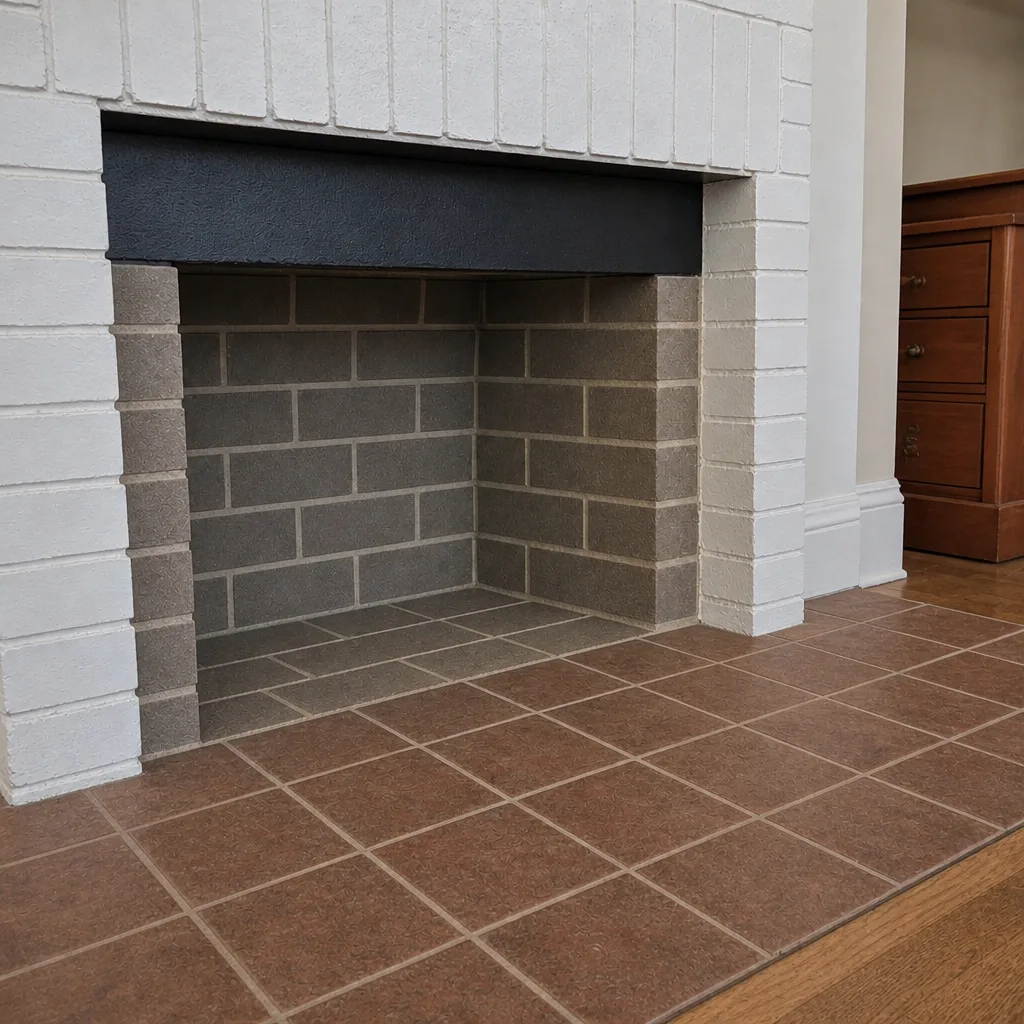
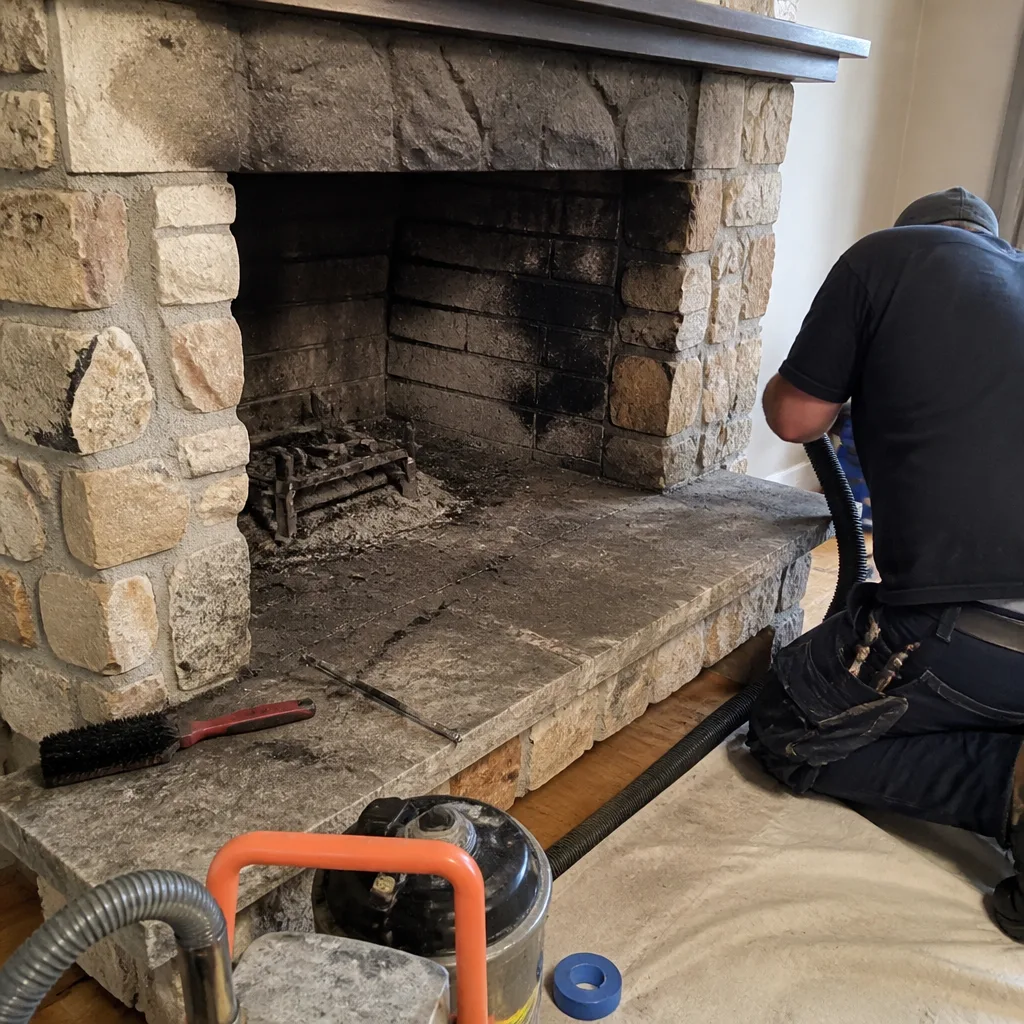
See the difference
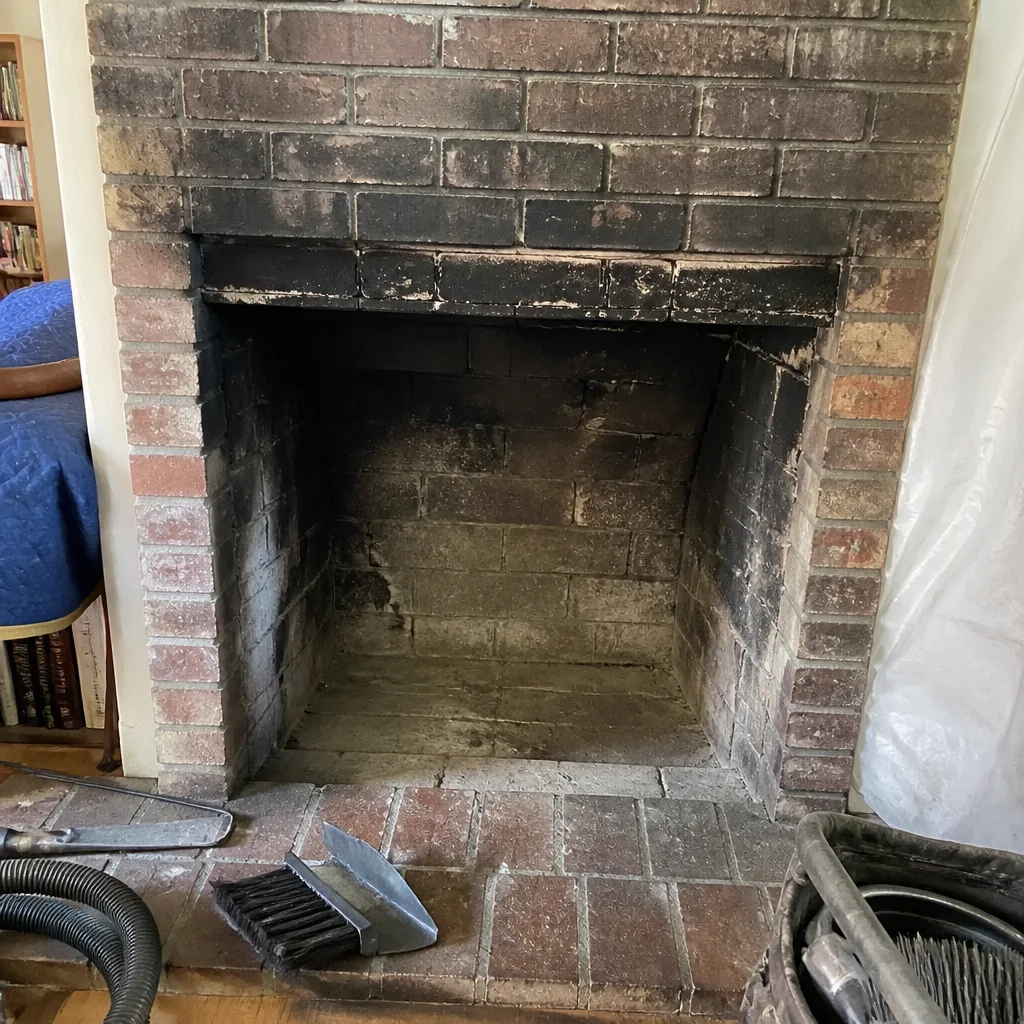 Before
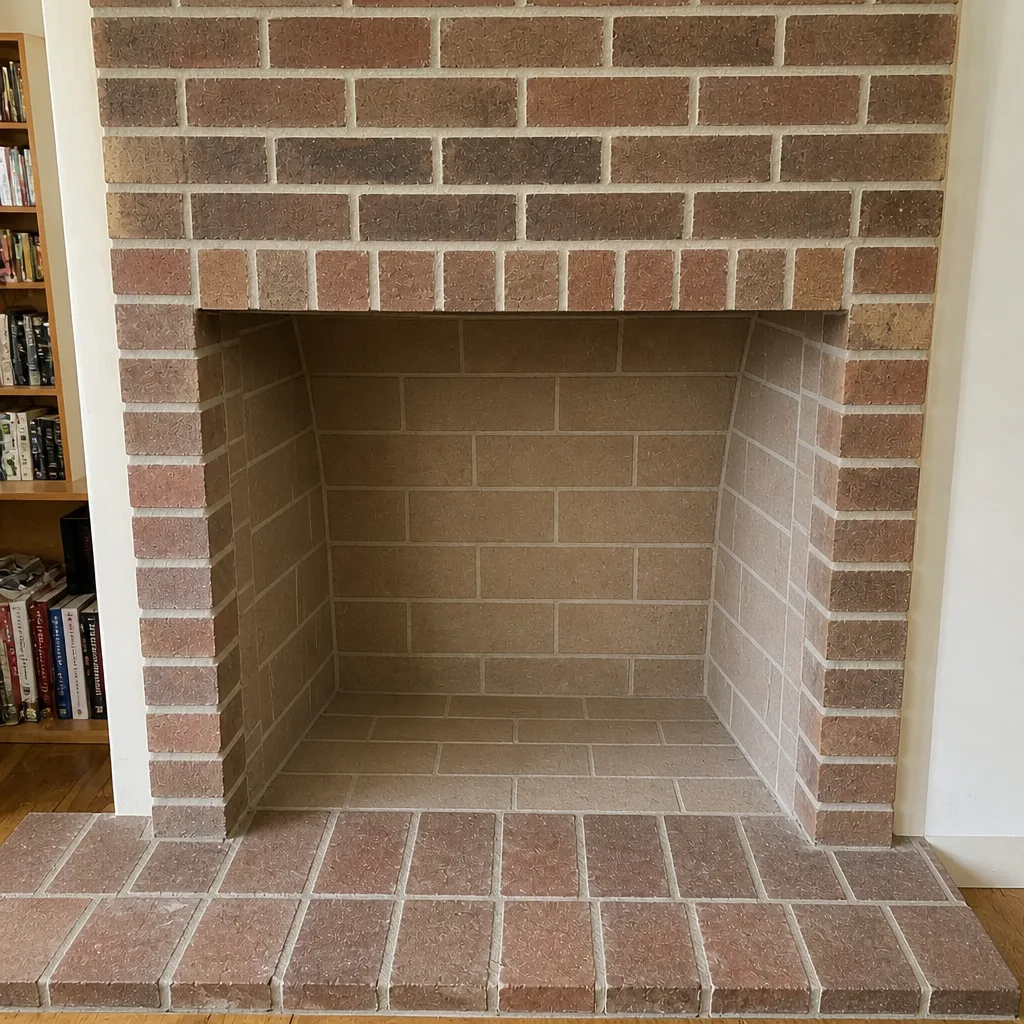 After
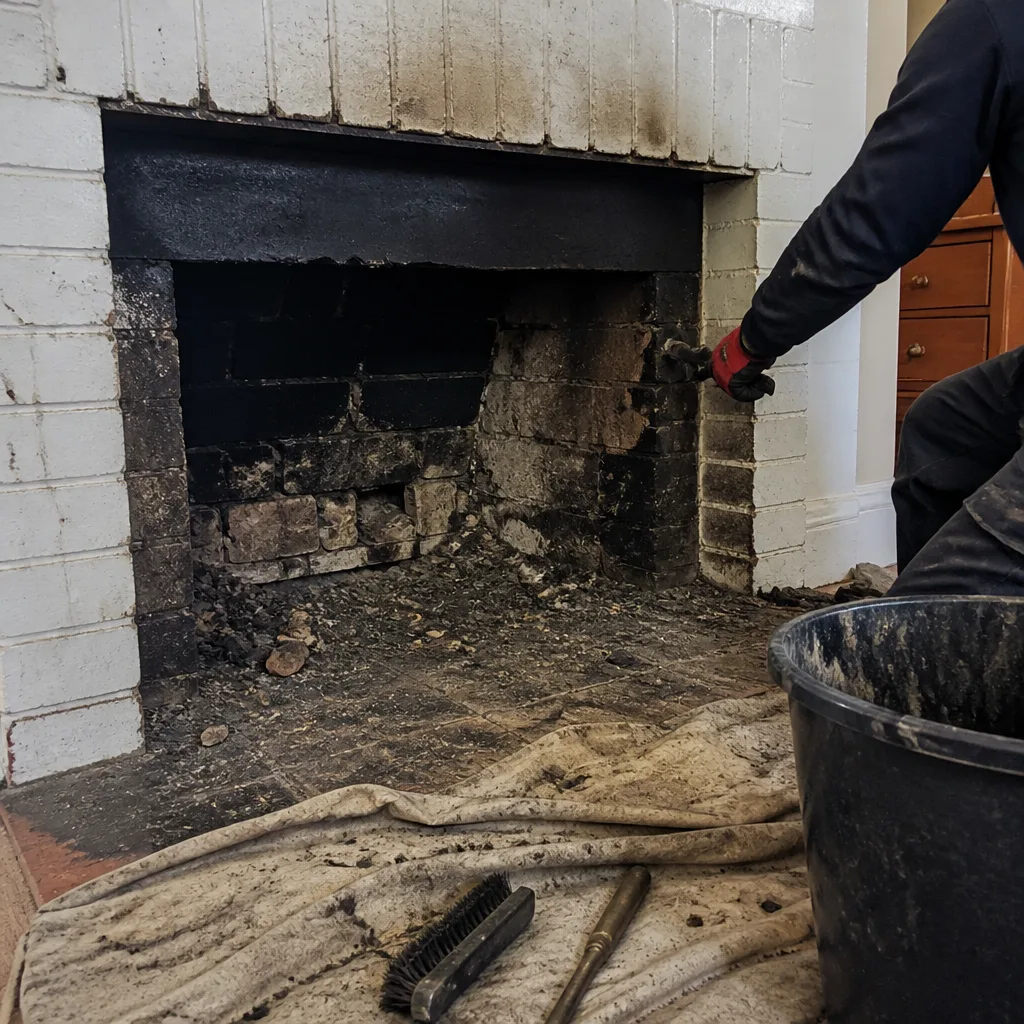 Before
 After
 Before
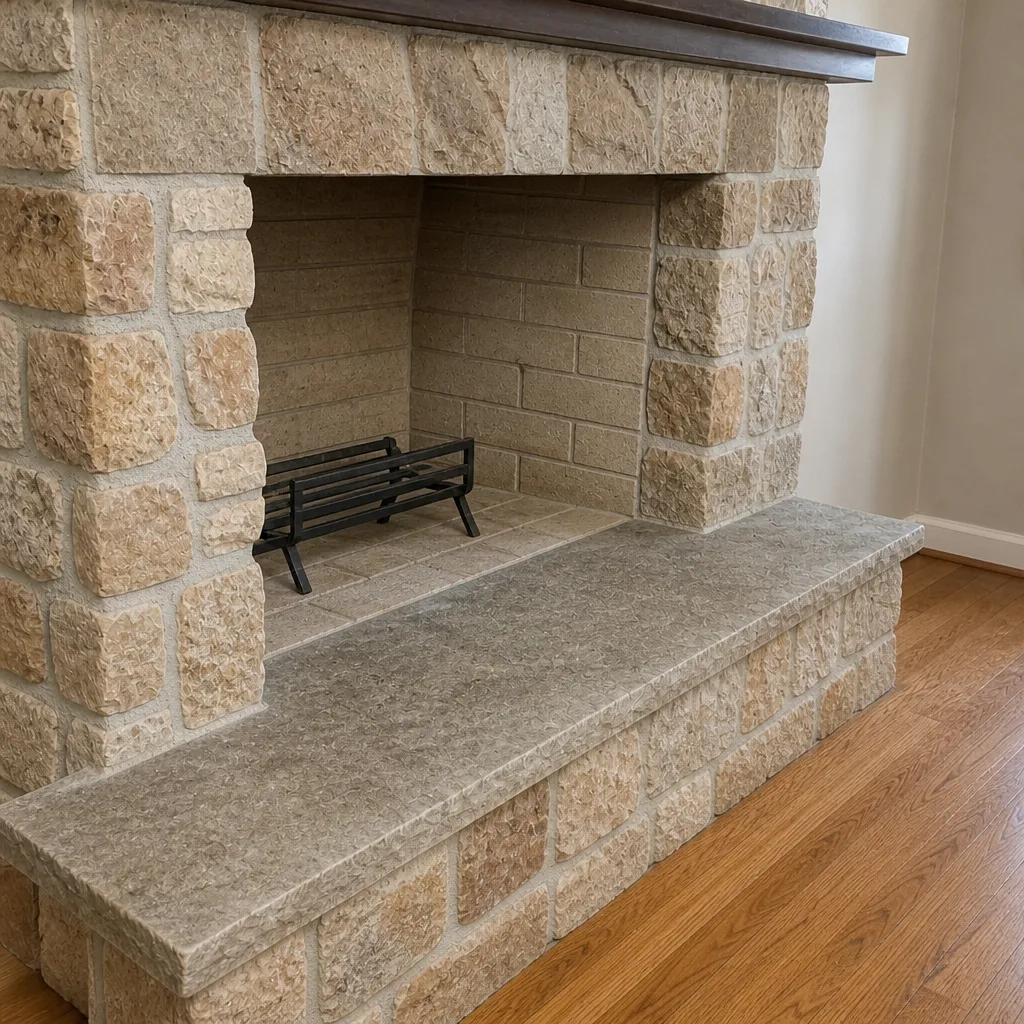 After
When to Call a Professional
A chimney is a system, and each part of it can fail independently. Call a specialist when you notice any of these: smoke rolling back into the room when you light a fire, a strong creosote smell on warm days that wasn’t there before, visible cracking or spalling inside the firebox, water stains on the ceiling near the chimney, pieces of tile or mortar on the roof, a damper that won’t open or close smoothly, or a chimney cap that’s come loose or rusted through. You should also call if you’re in a new home and have no history on the chimney, or if a prior inspection flagged something you haven’t addressed. Safety is the reason to act. Most of what a technician finds at an inspection can be repaired – what we want to avoid is the version of a chimney problem that started as a small crack and became a fire risk inside your walls. Chimney Sweep West Seattle offers free estimates in West Seattle – call (877) 447-9894.
Frequently Asked Questions
A standard chimney sweep in West Seattle typically runs $150 to $300, and a full-service visit with a Level 2 camera inspection and written report usually lands between $250 and $475. Repair work found during the inspection is priced separately from the sweep itself. Call (877) 447-9894 for an exact quote – estimates are free.
Not always. A liner needs replacement when it’s cracked, gapped, or structurally compromised – a camera inspection is the only way to know for sure. A liner that’s still sound but has interior surface deterioration can often be restored with HeatShield ceramic resurfacing instead of a full reline, which costs meaningfully less. We inspect before we recommend, and if a resurfacing will do the job we’ll say so. Call (877) 447-9894 for an inspection and a written finding.
Most households burning seasoned wood with good draft need an annual sweep. Households that burn frequently or at low, smoldering temperatures may need attention twice a season, and gas fireplaces need service but not creosote sweeps. Sweep frequency follows how you burn, not the calendar alone. Call (877) 447-9894 to book a visit and get a written recommendation for your chimney.
Creosote builds up invisibly for a while, and the chimney keeps working normally, so nothing seems wrong. Over time that buildup can ignite into a chimney fire, or a blocked or damaged flue can push carbon monoxide back into the house. The annual visit is where both are caught early. Call (877) 447-9894 for a sweep and inspection, and we’ll tell you honestly what condition the chimney is in.
Yes, and mostly through the exterior. Wet winters in West Seattle put a lot of stress on masonry and crowns, and a small crack in the crown lets water into the chimney structure, where it freezes and widens through the season. Annual inspection is how small exterior problems get caught before they become masonry repairs. Call (877) 447-9894 to book an inspection with photos you can keep.
No. Chemical sweep logs don’t remove creosote from the flue or the smoke chamber, and they can’t tell you anything about the condition of your liner. The National Fire Protection Association and chimney professionals generally don’t recommend them as a substitute for a sweep. If you’re not sure whether your chimney needs a real cleaning, a camera inspection answers the question – call (877) 447-9894 for a free estimate.
The Bottom Line
Chimney cleaning costs in West Seattle range from about $120 for a bare-bones flue sweep to about $475 for a complete visit with camera inspection and written report, and the difference between the two isn’t margin, it’s whether the person standing on your roof can see what they’re cleaning. The moment that matters most isn’t the sweep – it’s the moment the camera shows you the state of your liner and whether the crown and flashing are holding. Understand the repair tiers before you sit down for the finding so you can make a decision on evidence rather than pressure. Professional-grade materials and full-scope coverage from sweep through crown matter most at the second visit, not the first. And when work can safely wait, we’ll tell you.
Chimney Sweep West Seattle covers sweeping, inspection, fireplace repair, chimney repair, and cap and crown work as a single trade, which means the follow-up work stays with the specialist who wrote the report. We answer 24/7. Fast dispatch from 7am to 7pm, Sunday through Friday. Call (877) 447-9894 for a free estimate and a written finding on your chimney.
Written by the team at Chimney Sweep West Seattle.
If you’re just starting your search for a provider, see our overview of Chimney Sweep West Seattle.