
Last updated November 25, 2026
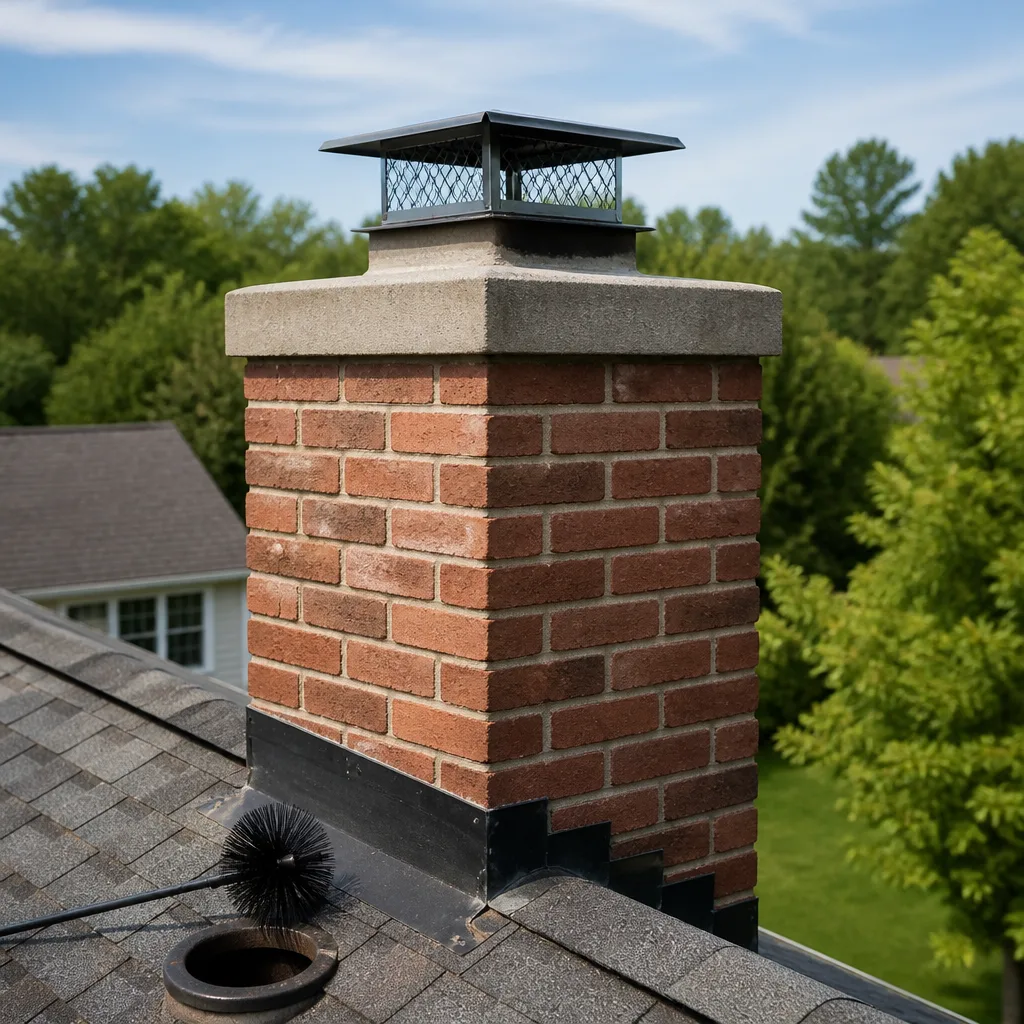 Sweep & inspection
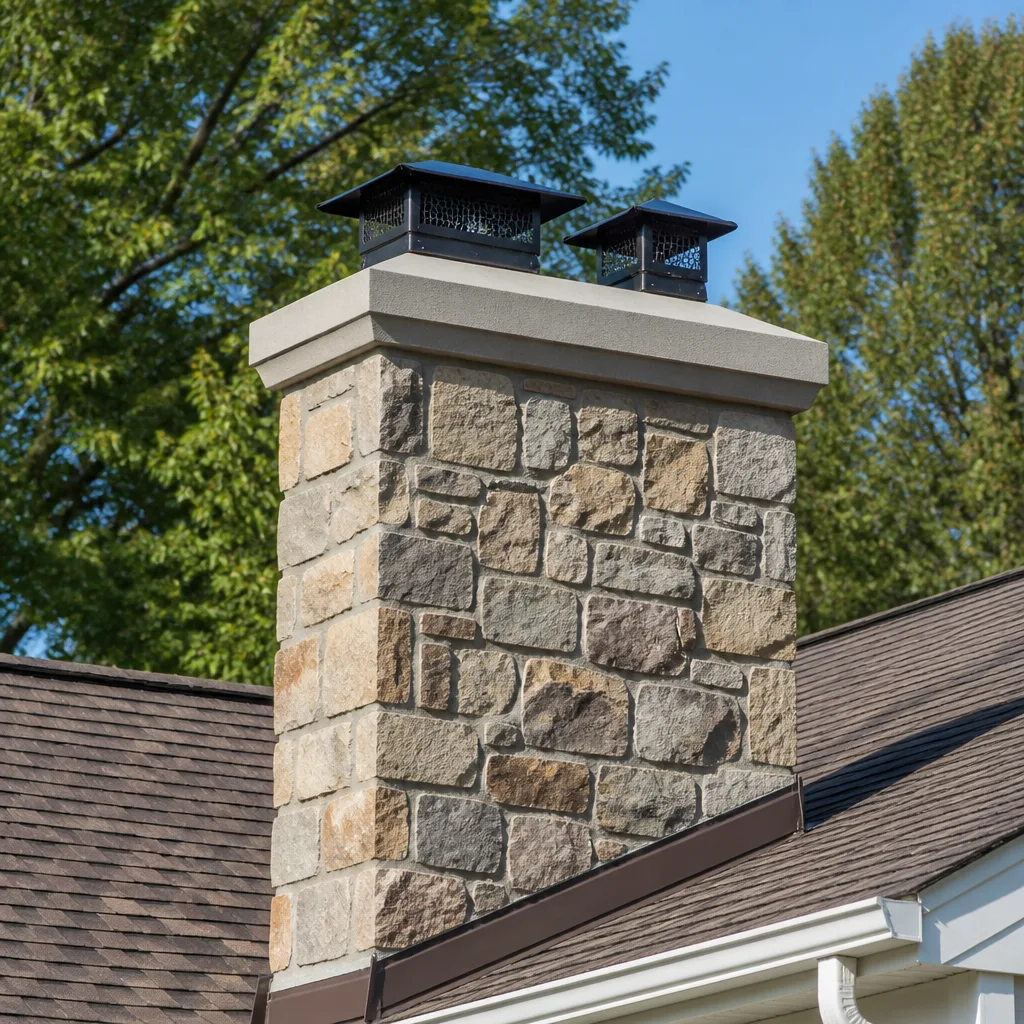 Caps & crowns
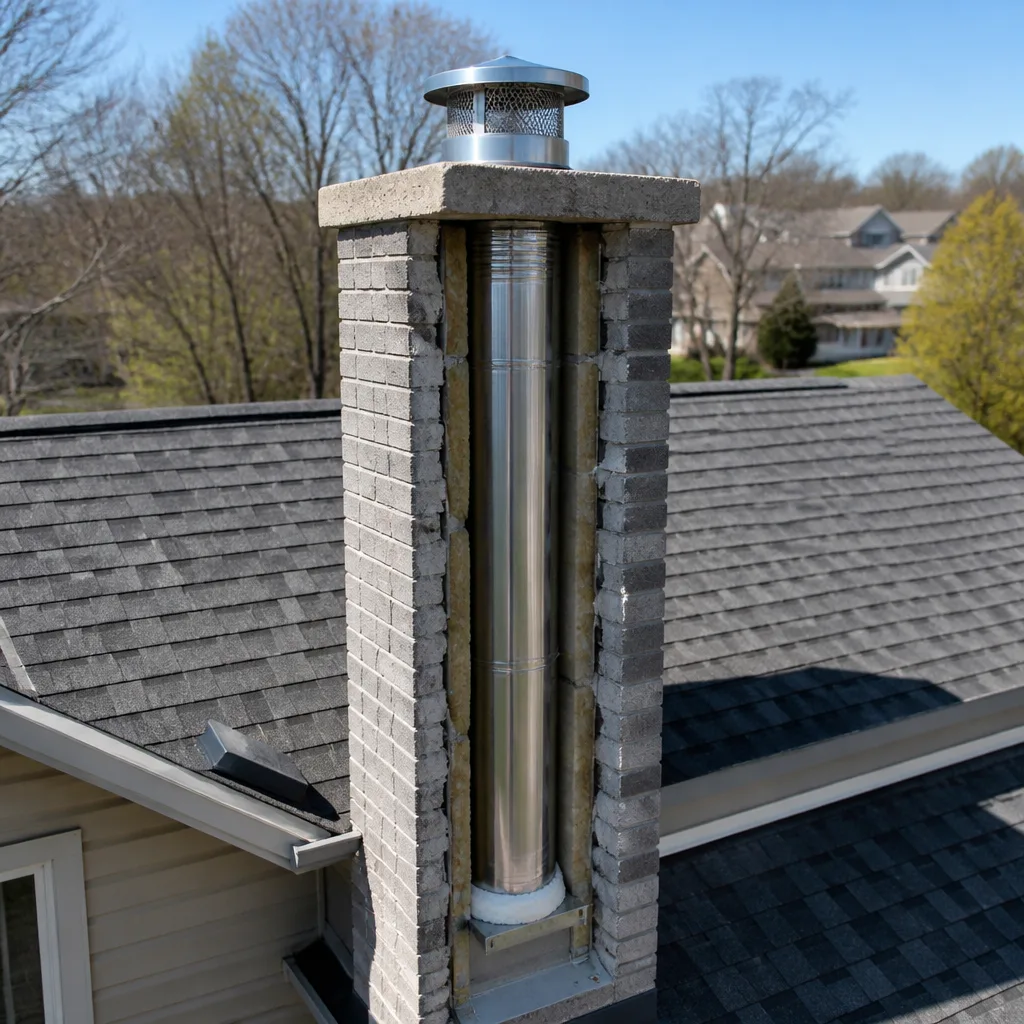 Flue relining
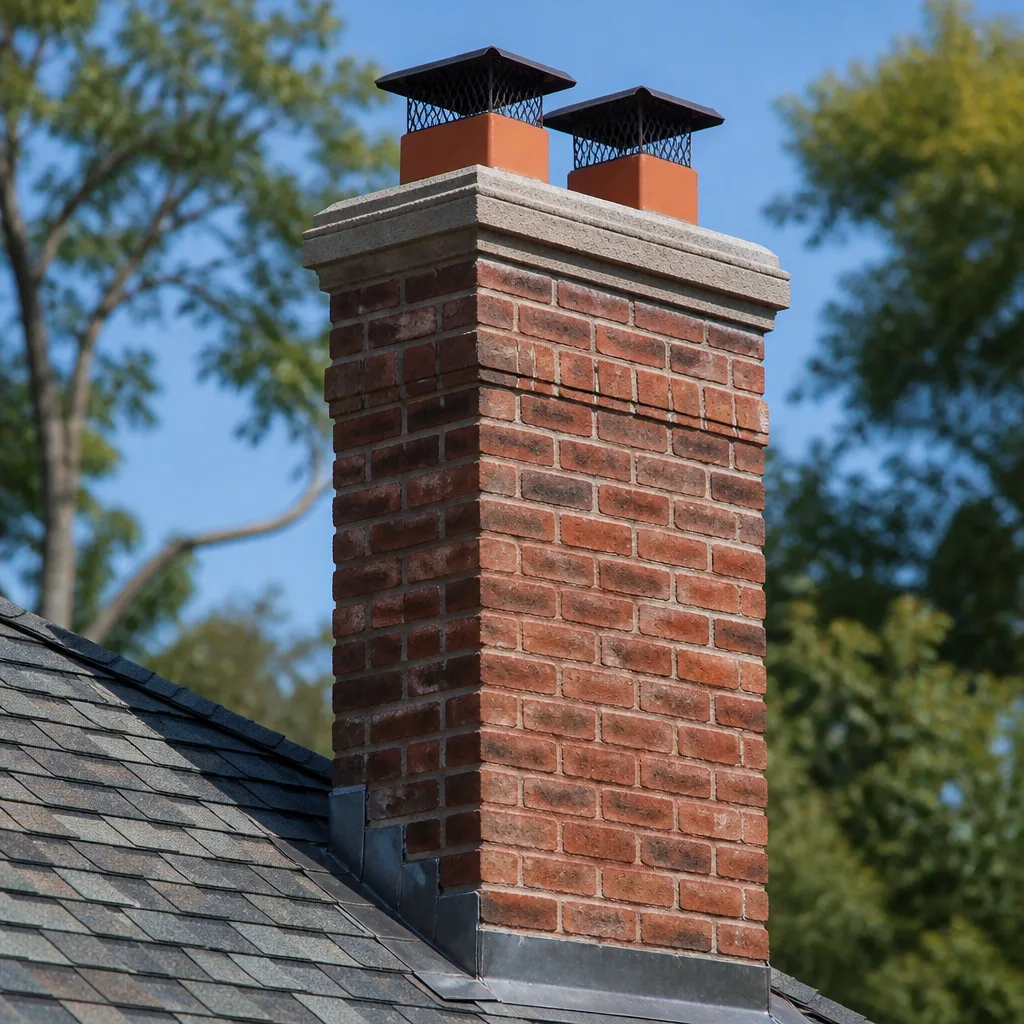 Masonry repair
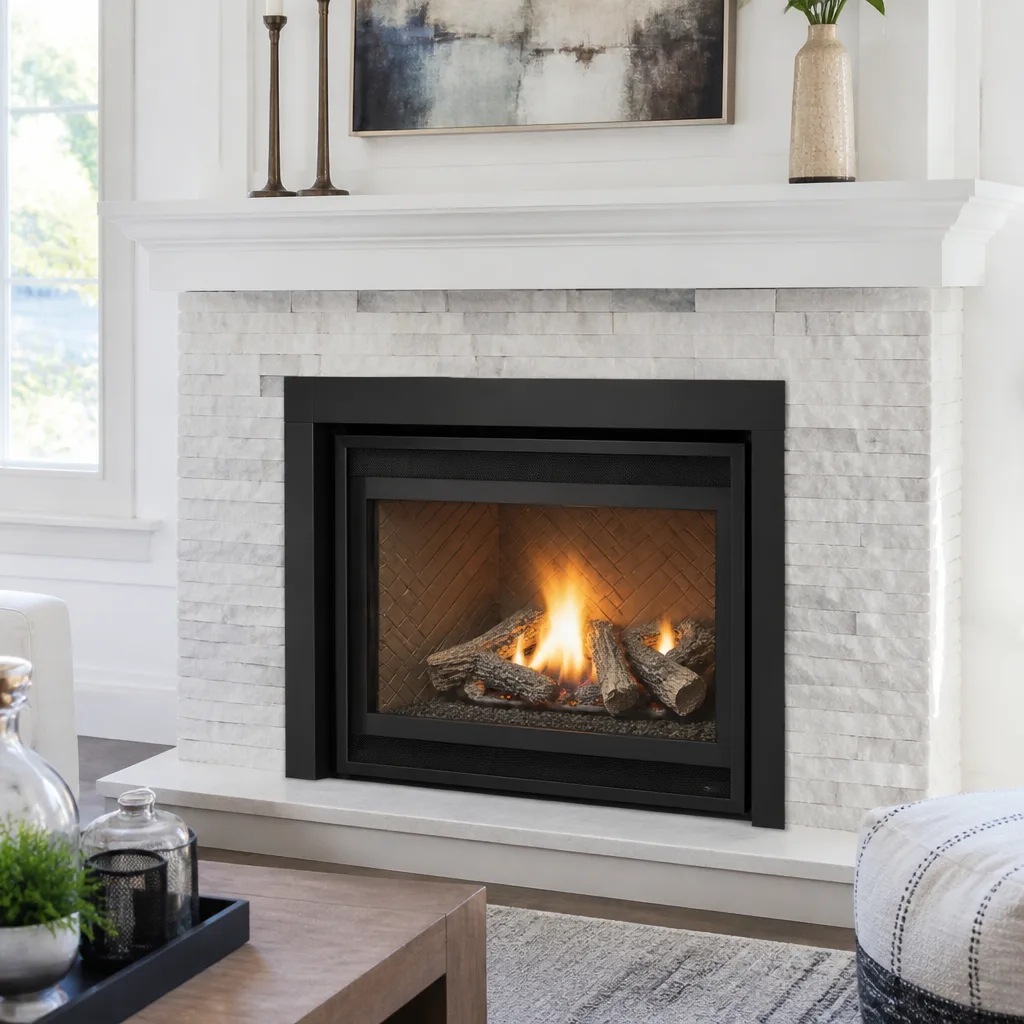 Gas fireplace service
Level 1 sweep and inspection to the NFPA 211 annual standard - flue, crown, cap, and flashing checked and photographed
Chimney sweep logs do not sweep chimneys. They loosen some creosote - which then falls where a brush and vacuum still have to collect it.
Chimney Cleaning Warning Signs: A West Seattle Homeowner’s Reference Guide
A smoky smell in your West Seattle living room on a rainy day usually isn’t a cleaning problem. It’s a draft problem, and sweeping the flue won’t fix it. That distinction matters more than most homeowners realize, because the instinct to treat every chimney symptom as “time for a sweep” leads people to pay for the wrong service and miss the actual cause. In this guide, we map the warning signs you can see, smell, and hear to what they genuinely indicate, so you know whether you’re looking at routine maintenance, a repair, or something you should stop using the fireplace over. We’ve built it from the kinds of calls we take across West Seattle every burn season.
Quick Answer
Chimney cleaning warning signs fall into four groups: smells (creosote, smoke, or musty odors), visual clues inside the firebox and on the exterior chase, draft and sound problems like back-puffing or sluggish draw, and performance changes during a burn. A smoky smell during a burn usually points to a draft or pressure issue, not a dirty flue. Visible creosote buildup, a glaze on the flue walls, or white efflorescence on the exterior means it’s time to book a sweep and inspection before your next fire.
Styles & brands we work with
- Sweep & inspection
- Caps & crowns
- Flue relining
- Masonry repair
- Gas fireplace service
Table of Contents
- What Do the Different Chimney Smells Actually Mean?
- What Can You Check Inside the Firebox Without Tools?
- What Do Sluggish Draw and Back-Puffing Tell You?
- Why Does White Staining on the Exterior Matter?
- How Do You Read Creosote Buildup Before It’s Dangerous?
- Which Warning Signs Are “Schedule Soon” vs. “Stop Using It Now”?
- How Does West Seattle’s Wet Season Change the Picture?
- Common Mistakes to Avoid
- When to Call a Professional
- Frequently Asked Questions
What Do the Different Chimney Smells Actually Mean?
Odor is the most misunderstood chimney signal, because homeowners tend to lump every smell into one category: “the chimney needs cleaning.” In practice, three distinct smells point to three distinct conditions, and treating them the same way wastes money or, worse, leaves a real problem unaddressed.
Creosote smell in summer or on warm days
A sharp, tarry, campfire-like smell that shows up when the fireplace isn’t in use is the classic sign of creosote deposits in the flue. When the weather warms, the moisture and volatile compounds in those deposits outgas and drift down into the room. That smell is a maintenance signal: there’s enough buildup to warrant a professional chimney sweep before the next burn season. It’s uncomfortable but not immediately dangerous.
Smoke smell during a burn
If the room smells like smoke while a fire is going, that’s a draft or pressure problem, not a cleaning problem. In tight, well-sealed modern homes (common in newer construction around West Seattle and the ridges above the Junction), the house itself can pull air down the flue harder than the fire can push it up. The result is smoke rolling into the room instead of up the chimney. Sweeping the flue does nothing for this. The fix is diagnosing airflow, draft, and pressure, and sometimes adjusting the flue or cap setup.
Musty, damp, or earthy smell
A musty odor suggests moisture is getting into the chimney system, usually through a failing cap, a cracked crown, or water penetrating the brick and mortar. Moisture combined with creosote accelerates deterioration and creates conditions for rust on dampers and damage to the firebox. This one usually calls for an inspection, and often a chimney cap & crown repair, not just a sweep.
If you can’t tell which smell you’re dealing with, note when it appears: only when burning (draft), only when the fireplace is idle (creosote), or steadily regardless of use (moisture). That detail alone narrows the diagnosis significantly.
What Can You Check Inside the Firebox Without Tools?
You don’t need a camera or a ladder to gather useful information. A few minutes with a flashlight on the firebox and damper tells a professional a lot about what’s going on before they arrive, and it helps you decide how urgently to act.
Spalling firebrick
Look at the firebrick lining the firebox. Healthy brick has a smooth face. Spalling looks like flaking, crumbling, or pitting, where the surface has begun to break away. That means the brick is absorbing moisture and cracking under heat cycles, and the firebox is losing its protective layer. Minor spalling isn’t a panic, but it should be evaluated before it spreads to the mortar joints behind it.
Damaged or stuck damper
Open and close the damper. It should move freely and seat fully. A damper that’s stuck open, stuck closed, warped, or corroded by moisture is both a draft problem and a safety concern: it can’t be relied on to seal the flue when the fireplace is idle or to open properly when you light a fire. If it doesn’t operate cleanly, that alone justifies a call.
Staining patterns that map to specific failures
Staining inside the firebox tells a story. Dark streaking on the firebox walls often indicates smoke that isn’t drafting properly. White or grayish powder deposits point to moisture reacting with masonry salts. Rust-colored stains around the damper or firebox frame signal water intrusion from above. Each pattern points to a different failure mode, which is why “just clean it” isn’t a diagnosis.
If any of these are present, or you’re unsure what you’re looking at, book a fireplace repair assessment rather than guessing. What’s inside the firebox is only half the story, and a proper look at the flue from above and below rounds it out.
What Do Sluggish Draw and Back-Puffing Tell You?
Draft is the chimney’s job. When it’s working, smoke and gases leave the firebox and move up and out without drama. When you hear or see the fire fighting the chimney, something is off, and the sounds and behavior narrow down what.
Sluggish draw
Sluggish draw means the fire is slow to catch, sits low, and produces visible smoke that drifts rather than rises. Common causes include a partially blocked flue, a flue that’s too large for the firebox, a cold flue on first light (which is why a pre-heat with a rolled newspaper works as a test, not a fix), or a house that’s depressurized by exhaust fans, a range hood, or a dryer running at the same time. If draw is poor only when something else in the house is running, you’re looking at a pressure issue.
Back-puffing and smoke rollout
Back-puffing is the pulsing, chuffing behavior when the fire reverses and pushes smoke back into the room in short bursts. It usually points to a flue restriction, an undersized or obstructed cap, or a pressure imbalance that briefly overcomes the draft. Smoke rollout, where smoke spills steadily out of the firebox into the room, is more serious and generally means either a significant blockage (nesting material, a collapsed liner section) or a structural draft failure. Either one stops the fireplace until it’s checked.
What these mean together
Draw and sound problems are often the most actionable signals a homeowner has, because they’re obvious during use. If you notice any of the following, get the system inspected:
- Smoke that hangs in the room instead of rising up the flue
- A hollow, echoing, or rattling sound in the chimney during a burn
- The fire struggling to catch on a cold start even after pre-heating the flue
- Draft that only fails when other exhaust appliances are on
Sound and draft problems frequently trace to cap, crown, or liner issues, which is why pointing them at a sweep alone rarely solves them. The full system needs to be looked at from the firebox to the top.
Why Does White Staining on the Exterior Matter?
White staining on the outside of a brick chimney is easy to dismiss as an aesthetic quirk, and that’s a mistake. What you’re seeing is efflorescence: water-soluble salts from inside the brick and mortar carried to the surface by moisture, where they crystallize as a white, powdery residue when the water evaporates. It is a moisture intrusion signal, not a cosmetic one.
What efflorescence tells you
If efflorescence is present, water is finding a way into the chimney’s masonry and moving through it. In West Seattle’s wet season, that’s not a small deal, because a house that’s under pressure from rain for months is under continuous challenge from any weak point in the chimney’s exterior envelope.
Where the water usually comes from
On most of the chimneys we look at, exterior moisture traces back to one of a handful of points:
- A missing or loose chimney cap letting rain straight into the flue
- A cracked or spalling crown (the concrete top sloping away from the flue)
- Deteriorated mortar joints between bricks, especially on the weather-facing side of the chase
- A chimney with no cap at all, which is more common than it should be
Each of these is a repair that’s far cheaper caught early than after a freeze cycle has pushed mortar apart or a mortar joint has failed enough to let water reach the flue. If you’re seeing white staining, it’s worth having the cap and crown looked at together, since they’re the two points most water comes in and they’re fixed as a unit. A properly installed chimney cap & crown stops the intrusion at the source rather than patching symptoms.
One more note on the exterior: dark soot streaks or black stains on the outside of the chase are a different issue. Those point to smoke escaping the flue, which usually means a cracked flue tile or a liner that needs attention, not a moisture problem. Different cause, different repair.
How Do You Read Creosote Buildup Before It’s Dangerous?
Creosote is the number one cleaning-related reason chimneys develop problems, and its appearance tells you a lot about how urgent the situation is. There are three widely recognized stages, and they don’t look alike.
The three stages and what they look like
- Stage 1: Soot and flaky creosote. Thin, dusty, or flaky deposits on the flue walls. This is the easiest to remove and the least risky, but it’s also the stage most homeowners miss because it’s inside the flue. A sweep handles it easily.
- Stage 2: Hard, crusty deposits. Compacted creosote that’s harder to brush off and significant enough to narrow the flue. This reduces draft and increases the fuel load in the flue. A professional sweep with the right tools is needed, and the flue should be inspected afterward for any damage from previous burns.
- Stage 3: Glaze. A slick, hardened, tar-like coating on the flue. This is the most combustible stage and the hardest to remove, and it’s the one that most strongly correlates with chimney fire risk. If glaze is present, no fire should be lit until a sweep has addressed it.
How often you should be checking
The general standard is that a chimney should be swept and inspected annually for a household that burns regularly. Homes that burn heavily, burn unseasoned (green) wood, or haven’t had a sweep in a season or two are the ones most likely to be at stage 2 or 3 before they realize it. If you can’t remember the last sweep, that’s your answer: book one and get it on a calendar.
You cannot reliably judge creosote depth by looking up the firebox; the flue needs to be viewed properly. That’s the job of a trained professional, and it’s the part of the process where a sweep and inspection together actually earn their keep.
Which Warning Signs Are “Schedule Soon” vs. “Stop Using It Now”?
The most useful decision a homeowner can make is whether a warning sign is a book-a-sweep-soon signal or a stop-using-the-fireplace-now signal. Here’s the framework we use to sort the symptoms, and it’s the fastest way to cut through the noise.
Schedule soon (usually safe to book an inspection in the near term)
- Creosote smell in summer, with no other symptoms
- Gently flaking soot visible in the firebox or flue
- White efflorescence or minor mortar weathering on the exterior chase
- Occasional smoky smell after a fire, but draft is generally fine
- Draft is fine in normal weather, with occasional sluggish start on cold days
- A damper that’s stiff but still opens and closes
Stop using the fireplace until it’s addressed
- Any sign of glaze or hardened, tar-like deposits in the flue
- Back-puffing, smoke rollout, or steady smoke into the room during a burn
- A strong, immediate smoke smell in the room whenever any fire is lit and no other appliance is running
- Visible cracks in the firebox lining or flue that go beyond surface spalling
- A damper stuck closed, stuck open, or visibly warped or corroded
- Water actively coming into the firebox, or rust-stained masonry in the firebox or around the damper
- Birds, squirrels, or nesting material seen or heard in the chimney
The reason the “stop” list matters: chimney fires and carbon monoxide problems don’t announce themselves with a neat symptom pattern. A glazed flue can ignite under ordinary demand. A blocked flue can back carbon monoxide into a room invisibly. If you’re seeing anything on the second list, call a professional before your next fire, not after. That’s a safety call, not a scare call, and the safe move is simply to stop burning until the system has been checked.
How Does West Seattle’s Wet Season Change the Picture?
West Seattle’s climate gives chimney problems a specific character that homeowners elsewhere won’t see. Rain for months on end is the default, and the wet season drives almost every moisture-related chimney issue on this list. That’s why it pays to think about scheduling around the seasons rather than waiting for a symptom.
The wet season versus the burn season
From late fall through early spring, the challenge is water. Rain finds any weakness in the exterior envelope, and that’s the season efflorescence, spalling crowns, and failed mortar joints show up. A sweep during this window makes sense for a few reasons: it clears the flue before the heavier burning months, it puts eyes on the cap and crown while the moisture problem is current, and it lets any moisture-related repair get handled before the freeze-thaw cycles of winter have made mortar failure worse. If you’re seeing white staining or suspect water intrusion, late spring and early fall are sensible windows to have it looked at.
The burn season
From late fall through winter, the challenge shifts to creosote and draft. Colder outside temperatures help the flue draw, but heavier burning, a cold start, and the habit of burning green or wet firewood all accelerate creosote buildup. In West Seattle, the combination of a long burn season and a tight, modern housing stock (common in the ridges above the Junction and the newer builds along the western edge) makes pressure-related draft problems more noticeable than in older, leakier homes. A house that pulls hard on the flue can reverse the chimney’s draw even when the fire is burning fine.
What to do about it
The practical move is to get a sweep and inspection in before the burn season starts, not after the first smoky fire, and then again if you notice anything on the exterior during the wet months. It’s a once-a-year rhythm, not a reaction. If you’re not sure where you land on the calendar, ask us what makes sense for your setup.
Common Mistakes to Avoid
- Treating every smell as a cleaning problem. A smoky smell during a burn is almost always a draft or pressure issue, not a creosote issue, and sweeping won’t fix it. Match the symptom to the cause before booking.
- Assuming a general handyman can diagnose a chimney. A general handyman with a brush can remove soot, but recognizing a glazed flue, a failing cap, or a draft imbalance takes a chimney-only specialist. Don’t let the scope of the tool define the scope of the inspection.
- Ignoring white staining on the exterior. Efflorescence means water is moving through the masonry. On a West Seattle chimney that’s under rain for months, that’s a moisture intrusion signal, not a cosmetic one, and the repair only gets more expensive the longer it sits.
- Burning unseasoned wood to save money. Green wood creates more creosote and more moisture, and it’s the single easiest way to push a clean flue toward stage 2 and 3. The complication costs more than the wood savings.
- Waiting until smoke rolls into the room to act. Back-puffing, smoke rollout, and a stuck damper are “stop using it” signals. Holding off until the fireplace is unusable usually means more repair work, not less.
- Skipping the cap and crown because the firebox looks fine. Most water intrusion starts at the top, and a chimney with no cap or a failing crown is taking on water from day one. Cap and crown services belong with any inspection, not deferred to a separate visit.
- Not having the sweep and the inspection done together. A sweep without a proper inspection clears the flue but misses the structural issues above and below it. The two belong in the same visit.
When to Call a Professional
Call a professional if you notice any “stop using” signal from the triage framework: smoke rolling into the room, back-puffing, a stuck or warped damper, glaze in the flue, cracked firebox lining, or water or rust staining in the firebox. Also call if you’ve never had the chimney inspected, if you can’t remember the last sweep, or if you see white efflorescence or weathering on the exterior chase. Those are all conditions where the safe move is a professional look before the next fire.
At Chimney Sweep West Seattle, we inspect before we recommend anything. Nothing gets suggested without a camera inspection and photo report you can see for yourself, and we’ll say plainly when work can safely wait. We work with professional-grade materials from brands like HeatShield, Gelco, Olympia Chimney, and Famco, so the repair matches the diagnosis. Free estimates in West Seattle. Call (877) 447-9894 to book. We answer 24/7, with fast dispatch from 7am to 7pm, Sunday through Friday.
Frequently Asked Questions
A standard chimney sweep in West Seattle typically runs a few hundred dollars, and the written estimate you get before booking sets the final price. If the inspection turns up a repair need, such as a cap, crown, or liner issue, that’s quoted separately before any work begins. Call (877) 447-9894 for an exact quote. Estimates are free.
Not always, and it’s worth pushing back on a liner recommendation that doesn’t come with evidence. A liner needs replacement when it’s cracked, deteriorated, or too damaged to safely contain a fire or vent gases, and a proper camera inspection shows exactly what condition it’s in. Sometimes the right answer is a resurfacing restoration rather than a full reliner, which is a repair option we can offer. The recommendation should always be backed by a photo report you can see, and if it’s not urgent, we’ll tell you it can wait. Call (877) 447-9894 for an exact quote. Estimates are free.
Once a year is the standard for a household that burns regularly, and it’s the simplest way to catch creosote buildup and structural problems before they compound. Homes that burn heavily, burn green wood, or have gone more than a season without a sweep may need more frequent attention. If you don’t remember the last sweep, that’s a good reason to book one. Call (877) 447-9894 for an exact quote. Estimates are free.
Creosote builds up in layers, and at the hardened and glazed stages it becomes a fire risk that can ignite under ordinary demand. Separately, a neglected cap or crown lets water into the masonry over time, which leads to spalling crowns, failed mortar joints, and interior damage. Neither outcome is guaranteed, but both are avoidable with a yearly sweep and inspection. Call (877) 447-9894 for an exact quote. Estimates are free.
You can remove soot from the firebox and flue with the right tools, but you can’t reliably judge creosote depth, glazing, firebox integrity, or draft performance from the firebox. The part of the process that actually catches problems is the inspection, and that’s where a trained chimney specialist earns their place. Call (877) 447-9894 for an exact quote. Estimates are free.
Smoke backing into the room is a draft or pressure problem, not a cleaning problem. It can come from a flue restriction, an undersized or obstructed cap, or negative pressure in a tightly sealed home that pulls air down the flue harder than the fire can push it up. Sweeping alone won’t fix it, so it needs a proper inspection before you burn again. Call (877) 447-9894 for an exact quote. Estimates are free.
A smoky, tarry smell when the fireplace isn’t in use is almost always creosote outgassing from deposits in the flue, and it’s a maintenance signal that a sweep is due before the next burn season. It’s not an emergency, but it shouldn’t be left until fall. Call (877) 447-9894 for an exact quote. Estimates are free.
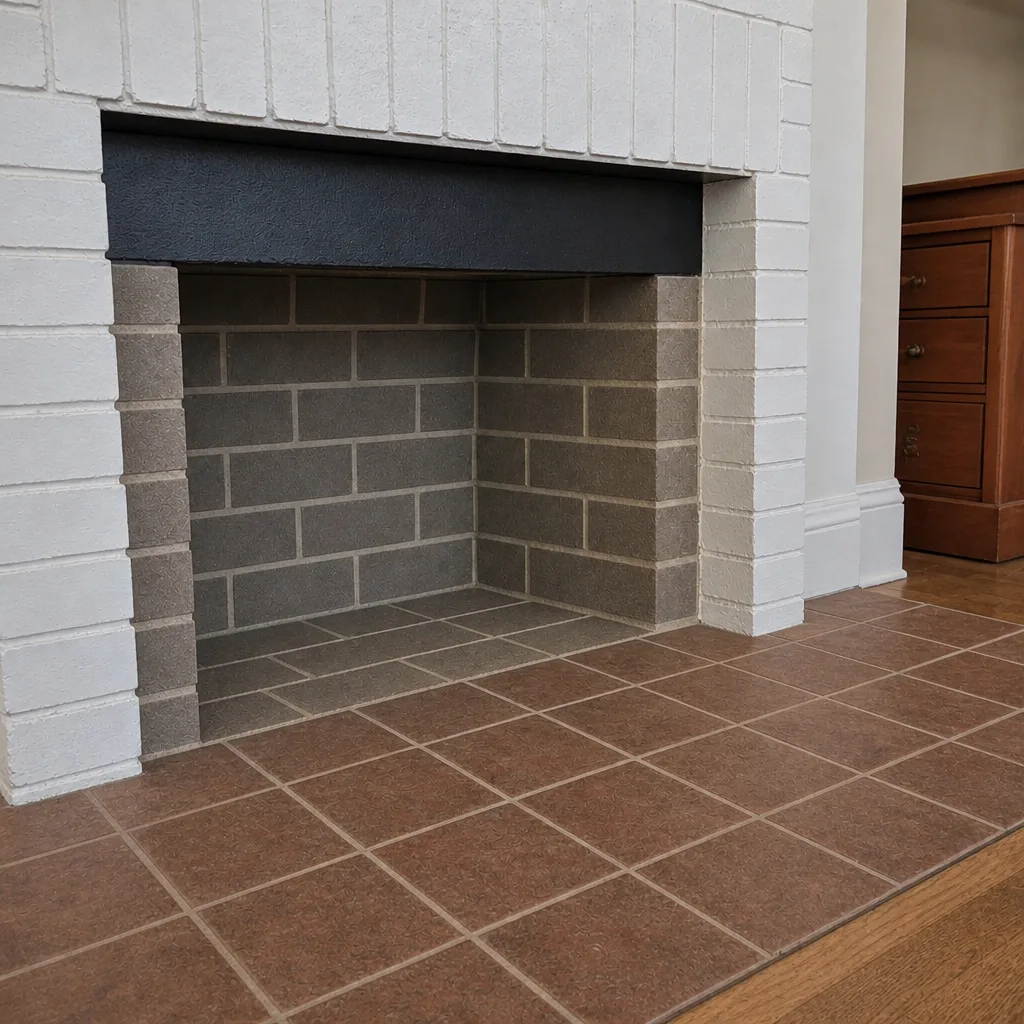
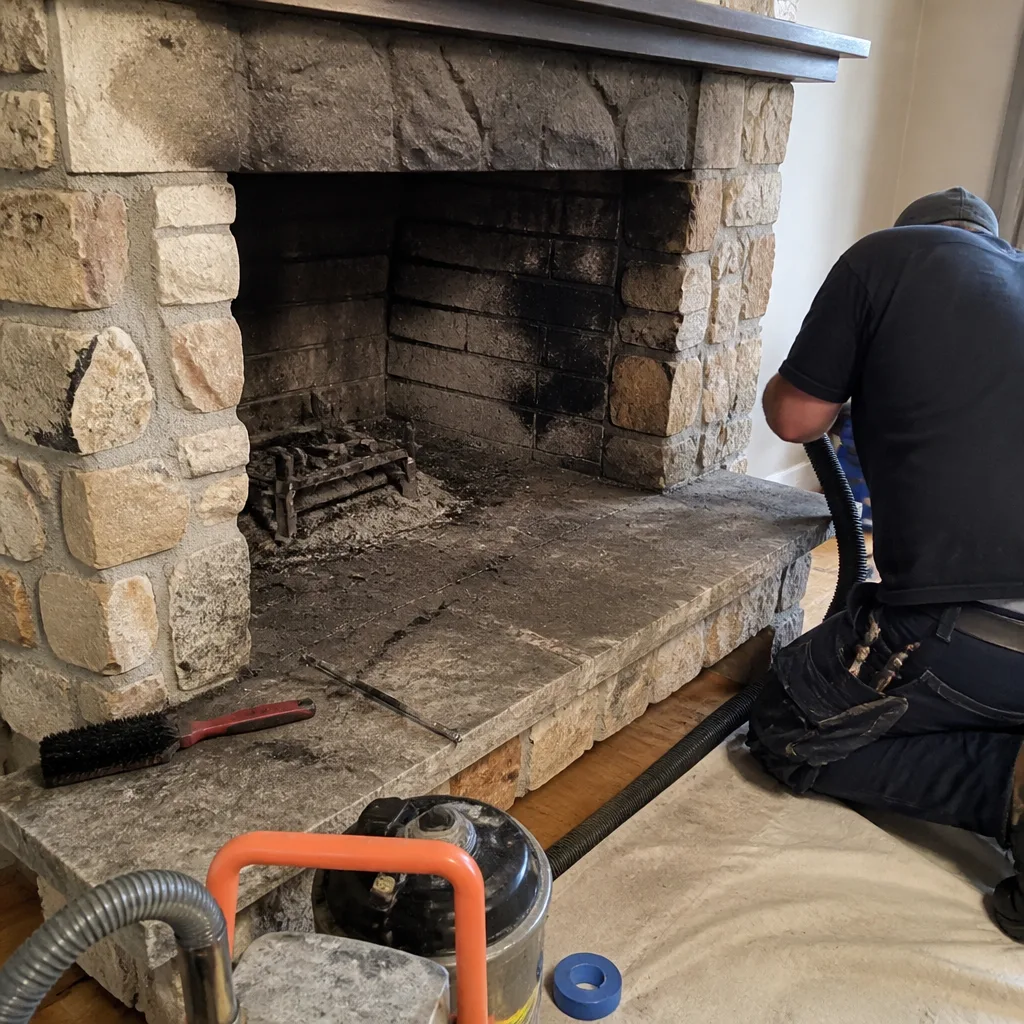
See the difference
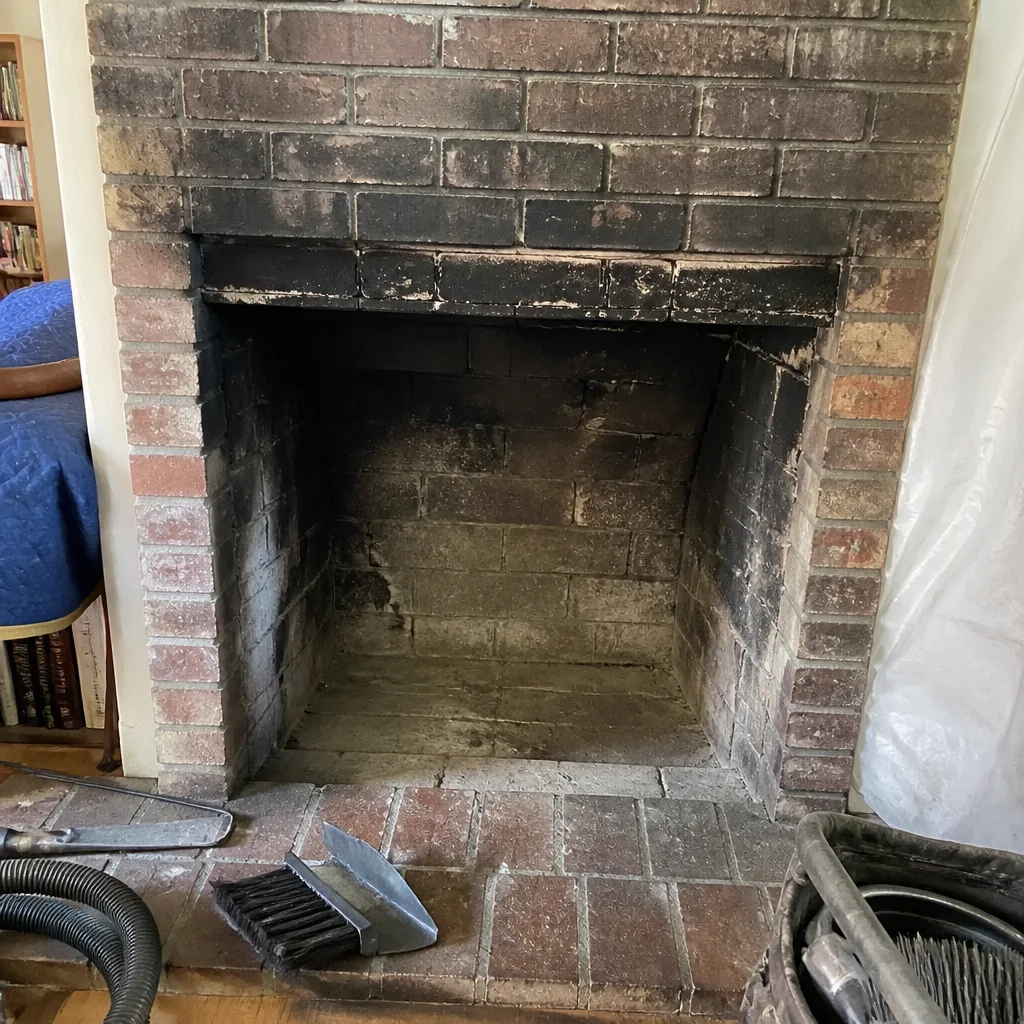 Before
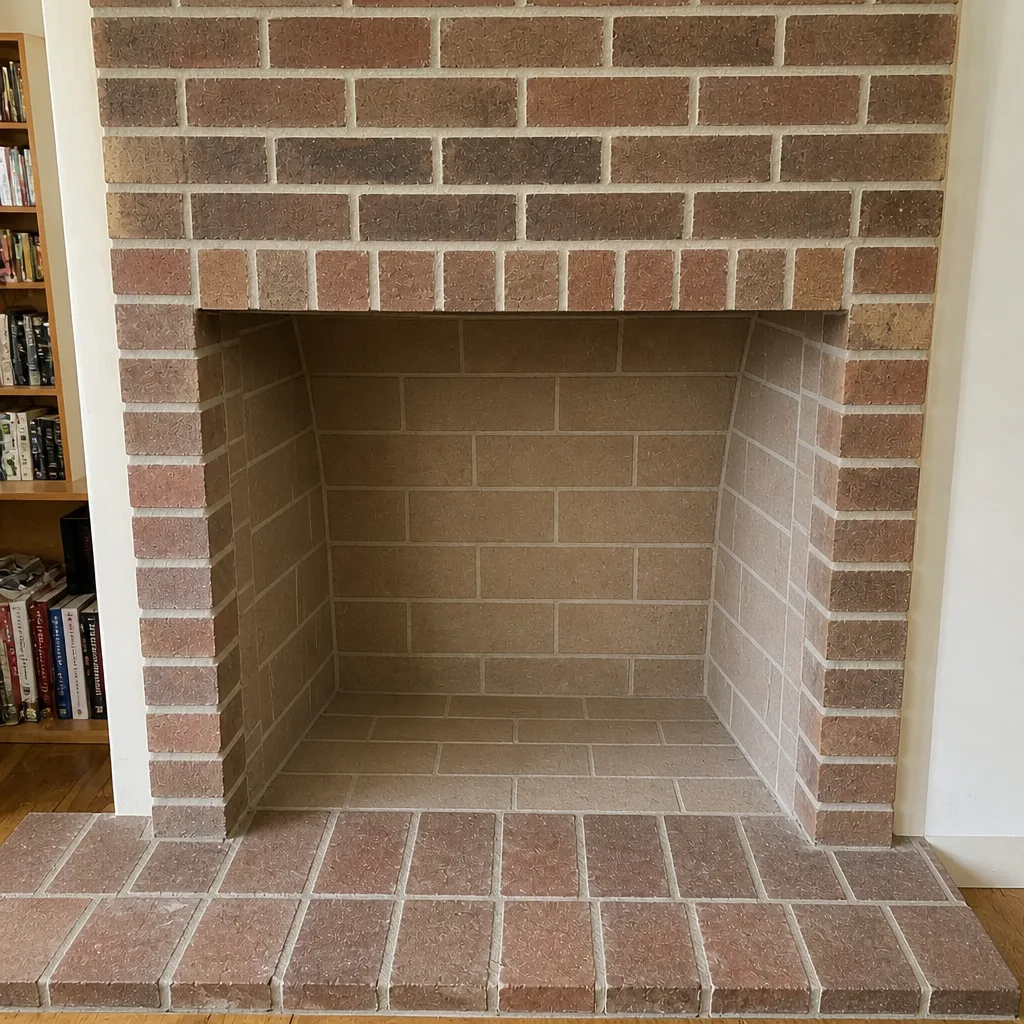 After
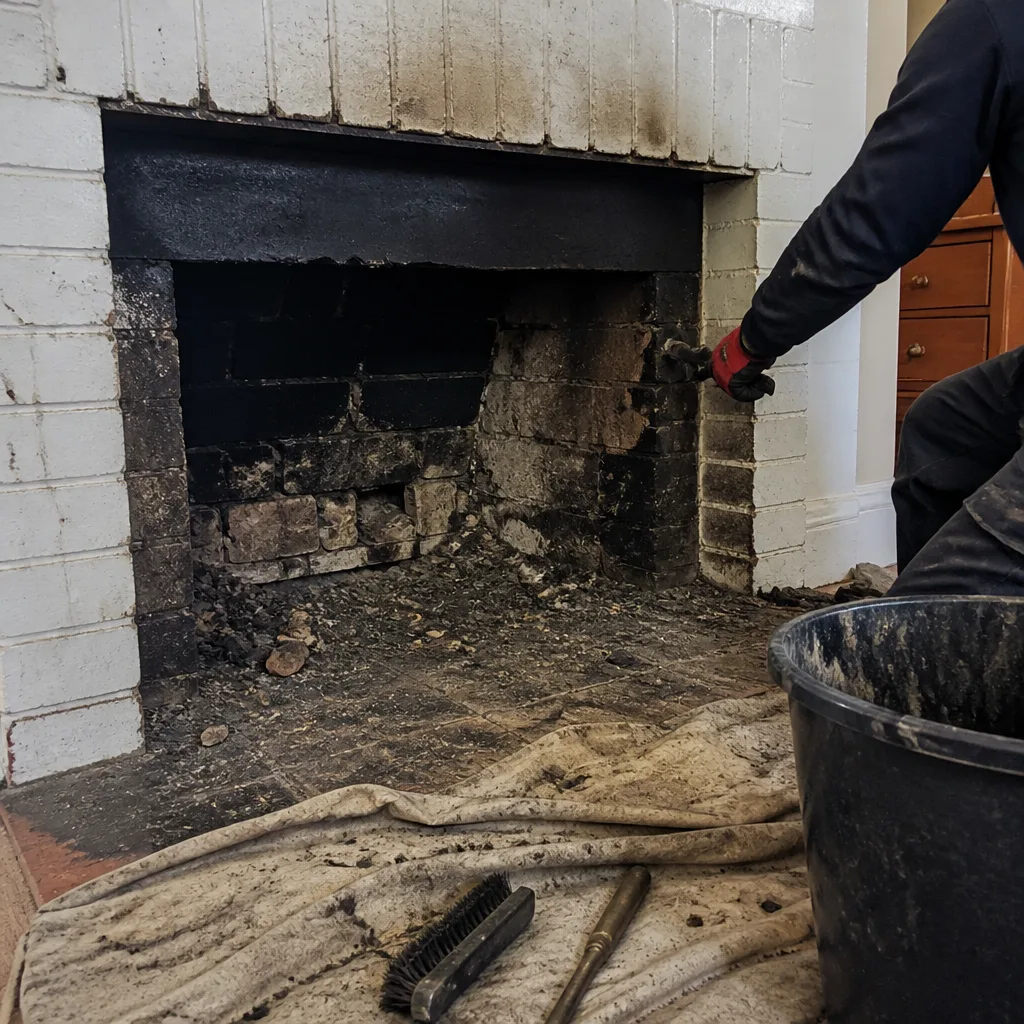 Before
 After
 Before
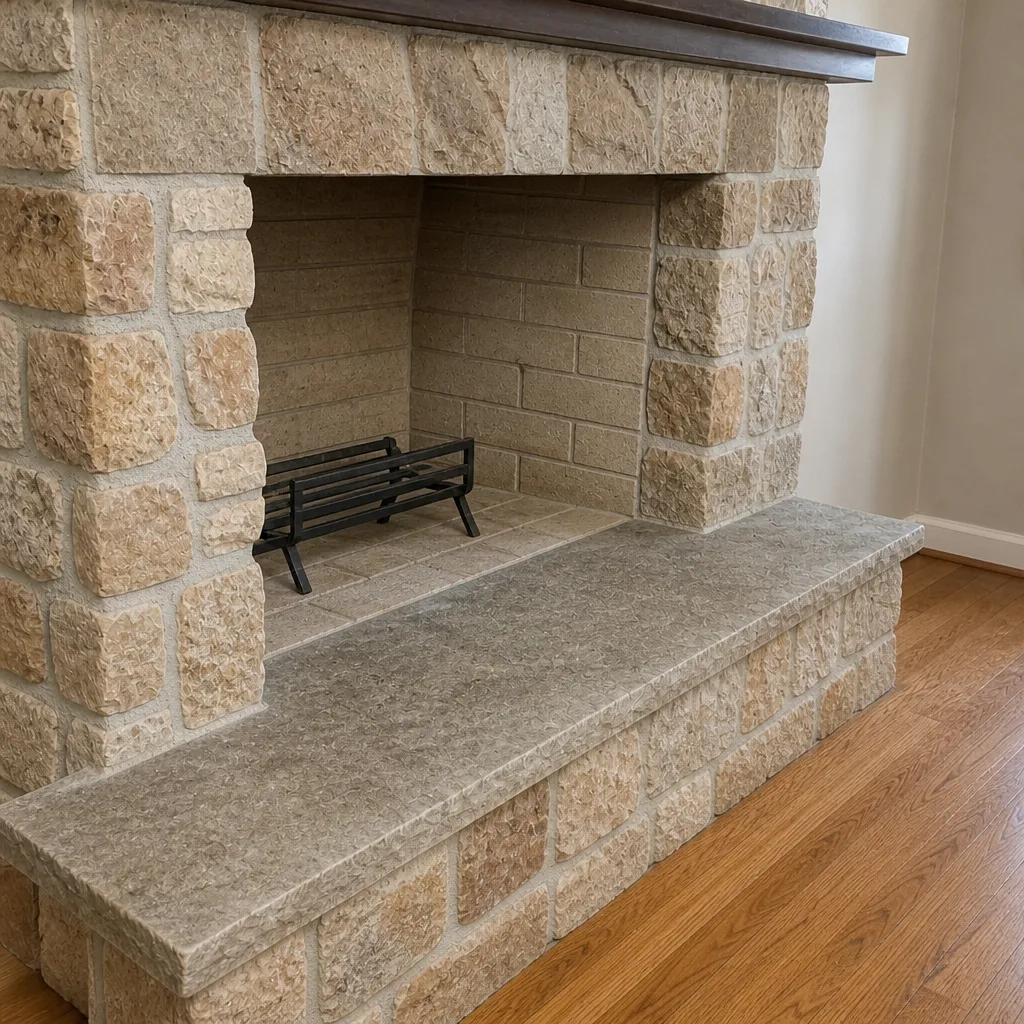 After
The Bottom Line
Most chimney warning signs show up as a smell, a visible clue, or a change in how the fire draws, and the single most useful skill a homeowner can build is matching the symptom to the cause. A creosote smell means schedule a sweep. A smoky smell during a burn means diagnose the draft. White staining on the exterior means check the cap and crown. And any back-puffing, smoke rollout, or firebox damage means stop burning and get it inspected. West Seattle’s long wet season makes the moisture side of that list especially worth staying ahead of, and a yearly sweep and inspection catches most of it before it becomes repair work. When in doubt, we’ll tell you what we find and whether it can wait.
Frequently Asked Questions
A sweep removes soot and creosote from the flue; an inspection evaluates the whole chimney for structural and performance problems. You need both together: a sweep without an inspection clears the flue but misses the cap, crown, damper, and liner issues that cause most of the trouble. Call (877) 447-9894 for an exact quote. Estimates are free.
You can’t judge creosote stage from the firebox alone; the flue needs to be viewed directly. Flaking deposits are stage 1, hard crusts are stage 2, and a slick, tar-like glaze is stage 3, which is the most combustible. A trained sweep can tell you which stage you’re at and whether the flue is safe to use. Call (877) 447-9894 for an exact quote. Estimates are free.
Yes. A missing or loose cap lets rain straight into the flue, which is one of the main paths to efflorescence, rust on dampers, and water in the firebox. A cap and crown repair is one of the most effective moisture fixes on the exterior chase. Call (877) 447-9894 for an exact quote. Estimates are free.
We source professional-grade materials from brands that chimney professionals rely on across the country, including HeatShield for flue resurfacing, Gelco and Famco for cap and cover products, and Olympia Chimney and DuraFlex for liners. We don’t substitute hardware-store parts. Call (877) 447-9894 for an exact quote. Estimates are free.
It means every recommendation is based on a camera inspection and a photo report you can see for yourself, not a sales pitch. If work doesn’t need to happen right away, we tell you. Our technicians have up to 14 years of experience, and the photo evidence is there to back up whatever we say. Call (877) 447-9894 for an exact quote. Estimates are free.
Call (877) 447-9894. We answer 24/7, with fast dispatch from 7am to 7pm, Sunday through Friday. The estimate is free, the price is set per job by the written estimate, and you’ll have a clear picture of what your chimney needs before anything is booked. Call (877) 447-9894 for an exact quote. Estimates are free.
Written by the team at Chimney Sweep West Seattle.