
Last updated November 25, 2026
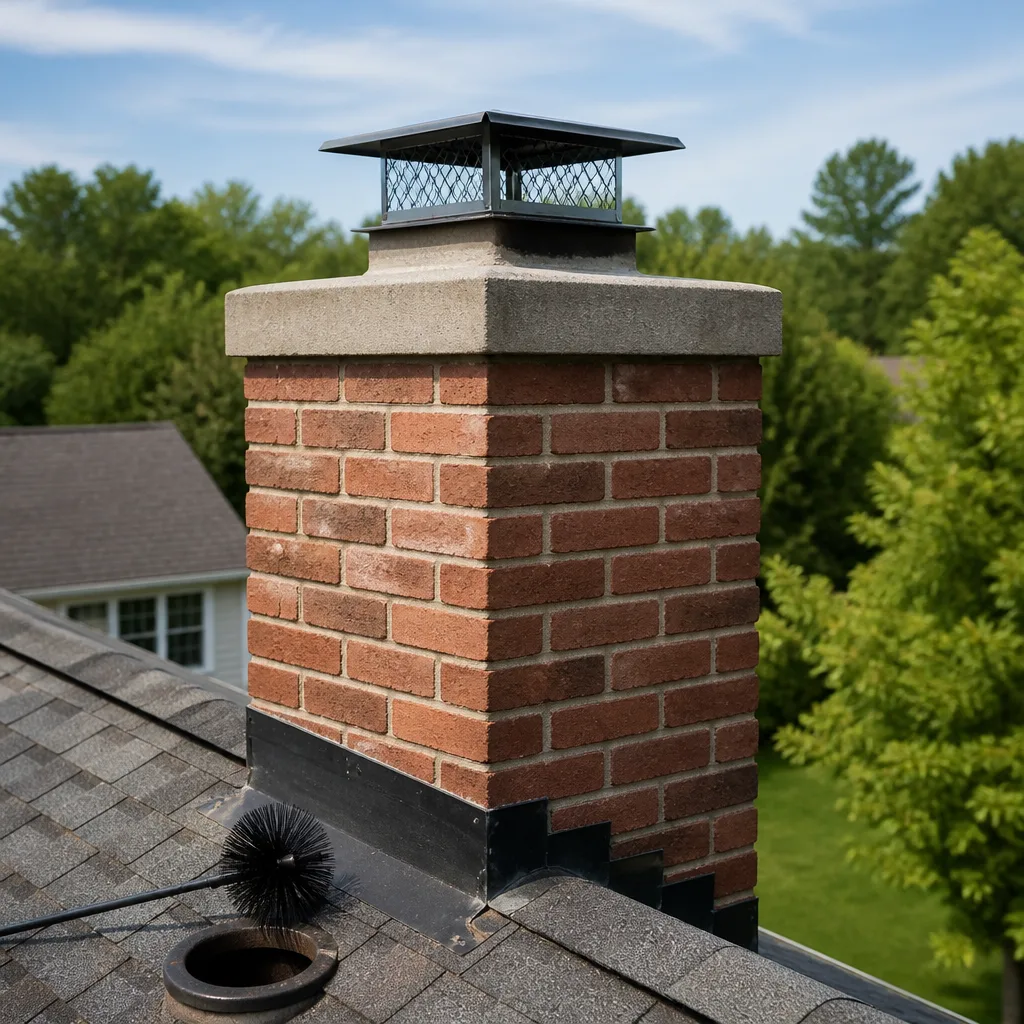 Sweep & inspection
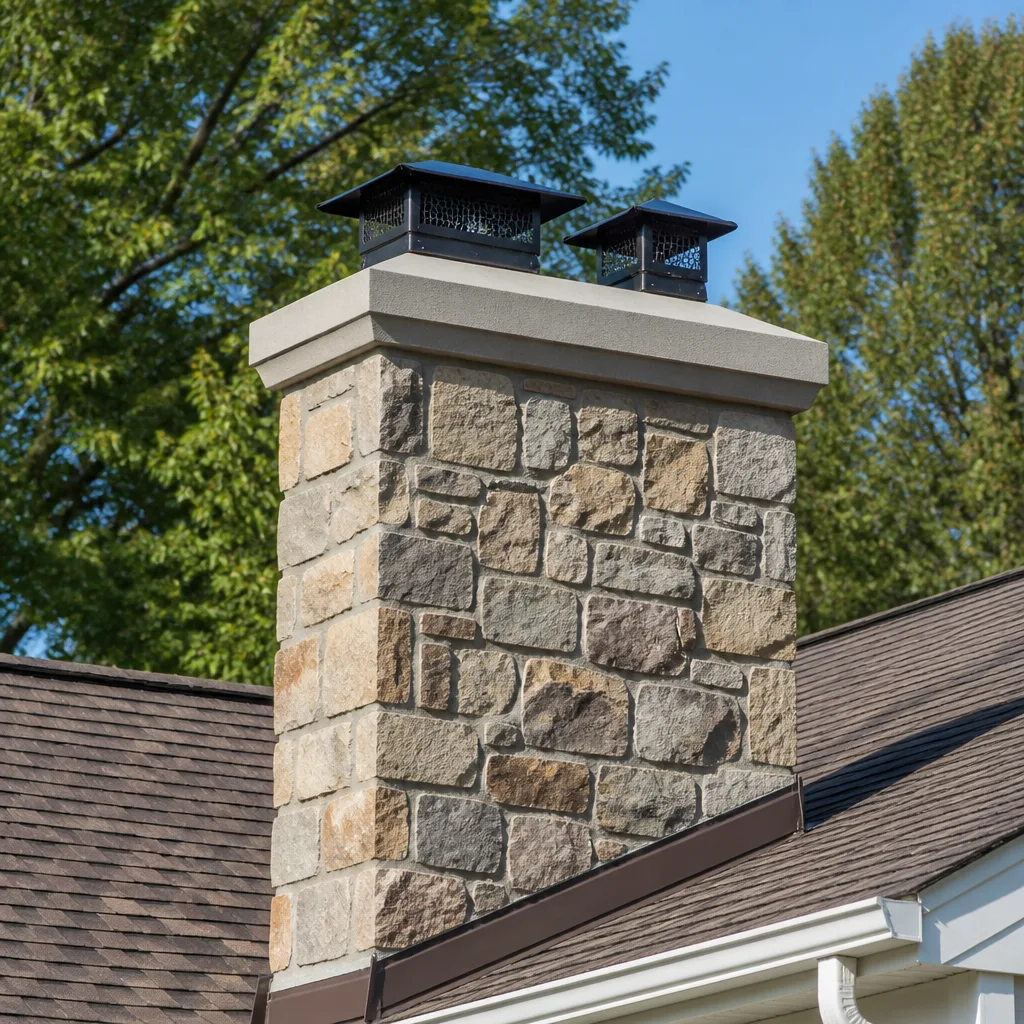 Caps & crowns
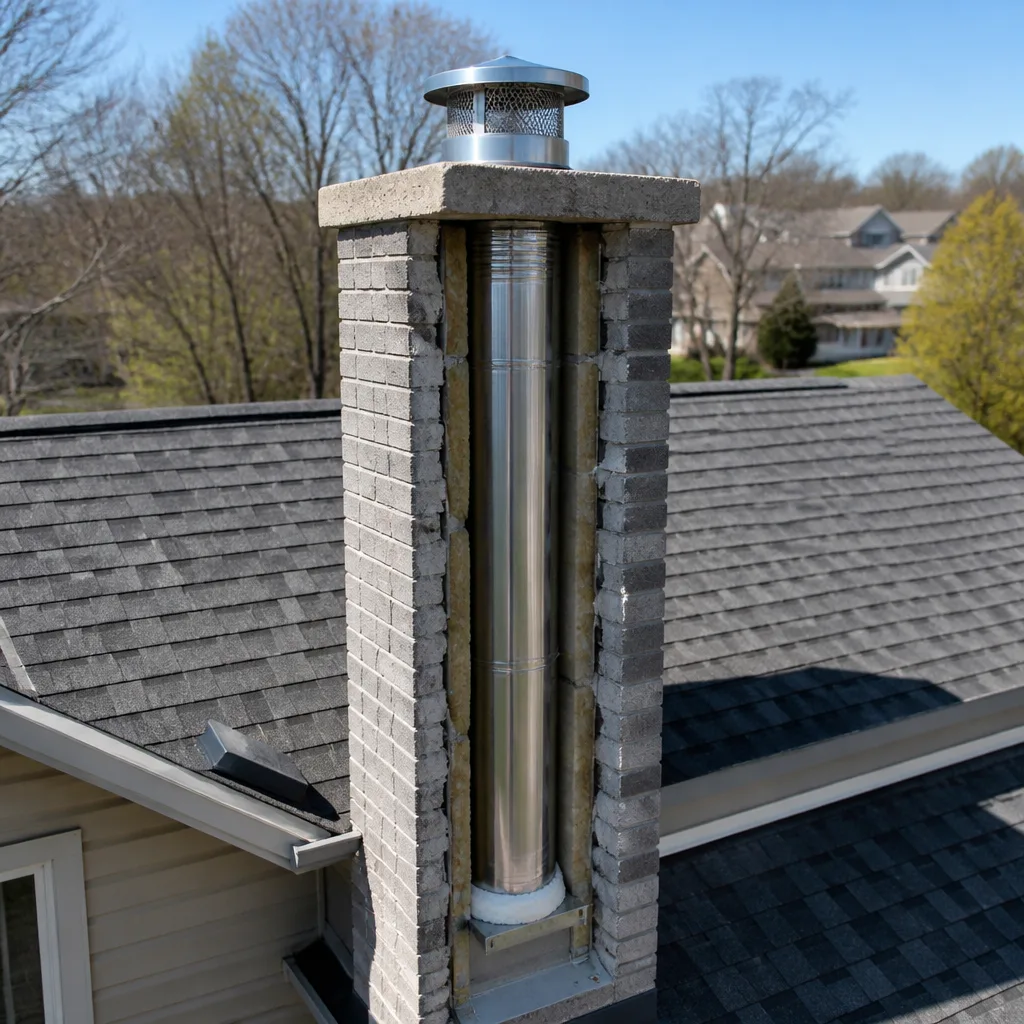 Flue relining
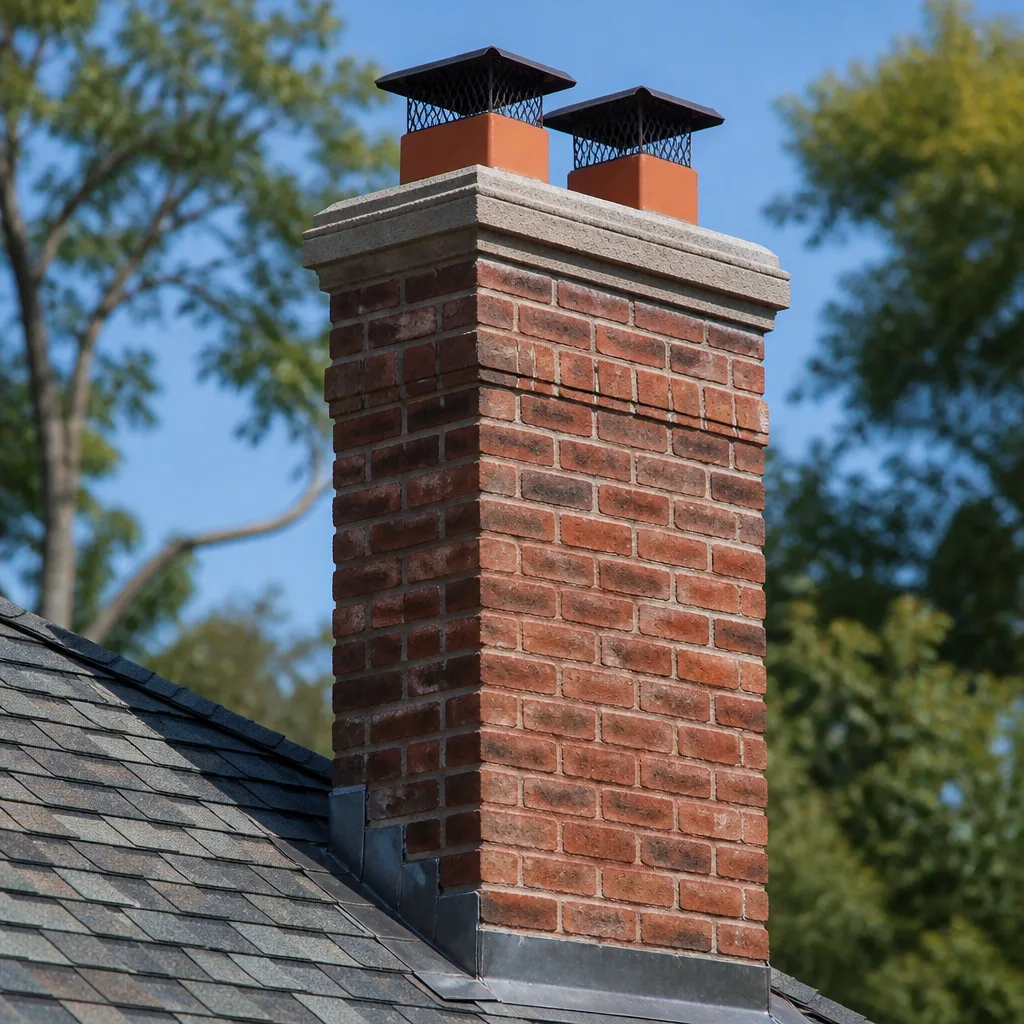 Masonry repair
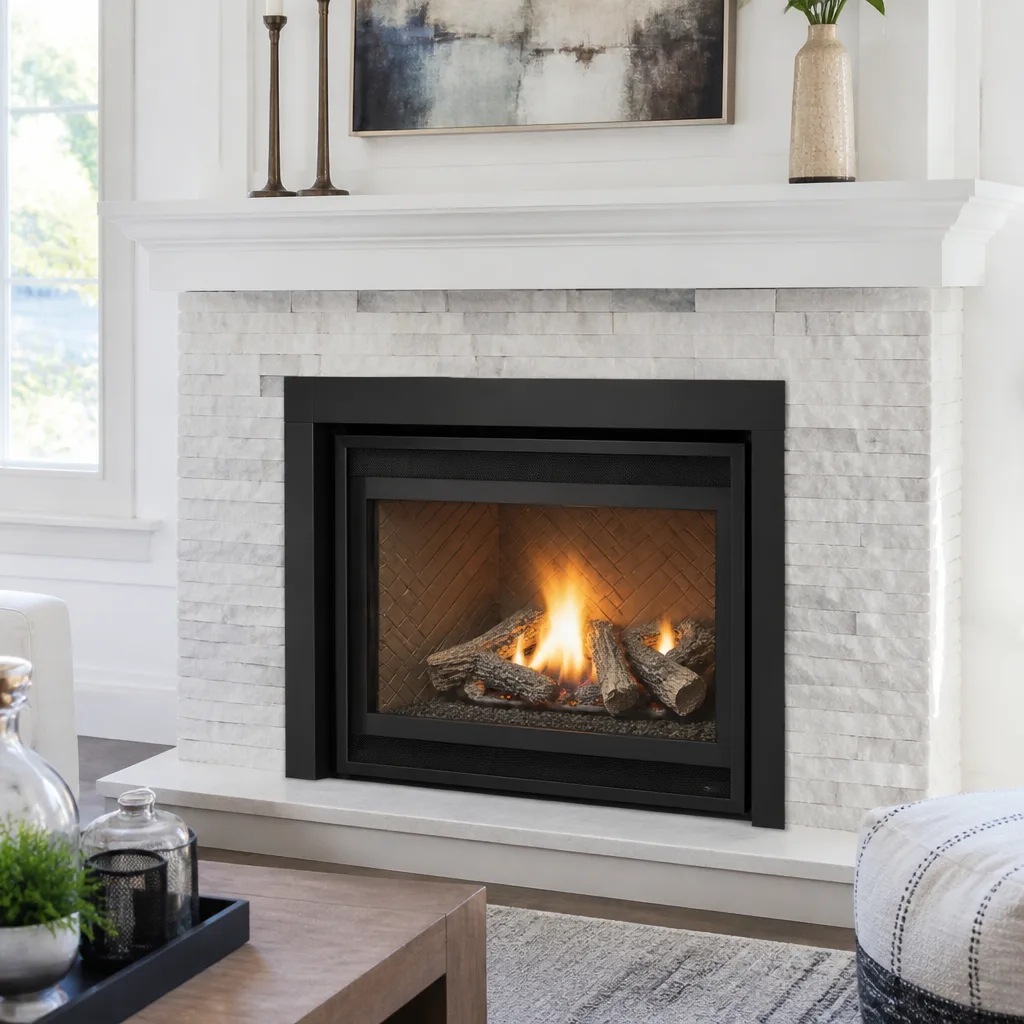 Gas fireplace service
Level 1 sweep and inspection to the NFPA 211 annual standard - flue, crown, cap, and flashing checked and photographed
Chimney sweep logs do not sweep chimneys. They loosen some creosote - which then falls where a brush and vacuum still have to collect it.
Seasonal Chimney Cleaning Care for West Seattle: Year-Round Homeowner’s Guide
Most homeowners treat the chimney like a car battery: out of sight, out of mind, until it fails at the worst possible moment. Here’s the counterintuitive reality. In West Seattle, the damage that forces an expensive repair in October was almost always set in motion back in February, when freeze-thaw cycling worked on wet masonry through a string of marginal winter nights. The single cold snap gets blamed. The slow weathering does the harm. Chimneys here don’t face one dramatic stressor, they face a moving calendar of them, and each season asks something different of the system. This guide walks through all four seasons, explains why spring matters more than fall in this climate, and shows the small interventions that keep a chimney out of the repair column. West Seattle gets one straight answer, season by season.
Quick Answer
Chimney care in West Seattle is a four-season cycle, not a single annual event. Spring calls for a post-heating-season inspection while moisture damage is fresh and repairs are still simple, summer is the dry window for cap, crown and animal-intrusion checks, fall is for the pre-season checklist and the annual sweep, and winter is for watching how the system behaves under load. The annual sweep is the anchor, not the whole plan. The small seasonal interventions between sweeps are what prevent the large repairs.
Styles & brands we work with
- Sweep & inspection
- Caps & crowns
- Flue relining
- Masonry repair
- Gas fireplace service
Table of Contents
- Why Seasonal Chimney Care Beats an Annual Sweep Alone
- Spring Chimney Care in West Seattle: The Inspection Window
- Summer Chimney Tasks Most Homeowners Skip
- The Fall Pre-Season Checklist Before Your First Fire
- Winter Chimney Care: Reading the System Under Load
- When a Mid-Season Issue Warrants a Service Call
- Common Mistakes to Avoid
- When to Call a Professional
Why Seasonal Chimney Care Beats an Annual Sweep Alone
A yearly sweep does one important job: it clears creosote and soot so the flue can vent safely and the fire burns clean. That job is not negotiable, and skipping it is the fastest route to a chimney fire. But a sweep is a snapshot. It tells you the condition of the flue on the day the brush goes in. It does not tell you what the masonry did through the freeze-thaw of a February cold snap, or whether the crown sealer actually cured during the one dry stretch in July. Chimneys fail slowly and quietly between sweeps, and the failures show up months later.
We think of the chimney as a system that runs from the firebox to the crown, and each part of that system responds to a different season. The flue is a combustion pathway. The masonry and crown are weather-exposed structure. The cap is the roof over the whole thing. When you treat those as separate concerns on a seasonal rhythm, you catch problems while they’re still cheap. When you treat the whole chimney as a once-a-year item, you catch them when they’ve already become structural.
This is where a single-trade specialist earns its keep. We do chimney work only, so every seasonal visit is evaluated by the same set of eyes that understand flue chemistry, masonry behavior and cap performance together. Our technicians have up to 14 years of experience, and the seasonal rhythm here is something we’ve watched thousands of times. A generalist who’s on a roof one day and under a sink the next can clean a flue. Watching a system move through four seasons takes a different kind of attention.
Spring Chimney Care in West Seattle: The Inspection Window
Spring is the most important inspection season in this climate, and almost nobody prioritizes it. The logic is simple. After a winter of fires and freeze-thaw cycling, the chimney has just been through its hardest stretch of the year. The masonry is wet, the mortar has been stressed, and if a hairline crack in the crown opened up during the cold, the evidence is still fresh and visible. You want to look at the system now, while the damage is new and the repair is small.
By the time fall arrives, that same hairline crack has had a whole summer of water intrusion behind it. What was a sealant job in April can become a crown rebuild in October, and a weeping crack can turn into a stained ceiling in the living room. In our experience, spring catches the cheap version of a problem. Fall catches the expensive version.
Here’s what a spring assessment involves:
- Exterior masonry and crown inspection. Looking for spalling brick, crumbling mortar joints, and cracks in the crown that allow water in.
- Flue condition review. Checking for glaze from a hard-burning winter, and evaluating whether the liner shows signs of wear.
- Moisture assessment. Looking at the interior for staining or rust, both of which point to water reaching the system.
- Cap and screen check. Confirming the cap is intact after winter weather and that no debris entered the flue.
- Firebox and damper function. Confirming the damper opens and closes and the firebox shows no new cracks.
A spring inspection is also the right time to plan, not rush. If the assessment turns up a liner concern, there’s time to review options before the fall rush. That’s when we can talk through whether the right call is a repair or a full reline, and when we can order professional-grade materials like a DuraFlex flexible liner system or, in some cases, a HeatShield ceramic resurfacing application that restores a deteriorating flue without the cost of a full reliner. Those are decisions worth making with time on your side.
If you’re wondering whether your annual cycle should be built around a spring visit, chimney sweep booking is the natural place to start, and a spring inspection is what sets the calendar for the year.
Summer Chimney Tasks Most Homeowners Skip
Summer feels like the off season, but it’s actually the best window for the work that needs dry weather. Several chimney products need time and consistent conditions to cure properly, and a dry summer gives them that. The tasks homeowners skip are usually the ones with the least obvious payoff, and those are exactly the ones that prevent fall problems.
Start with the cap. The cap is the roof over your chimney, and while a damaged cap might not cause a problem in June, by the first cold rain of October a cracked one can let water straight into the flue. Summer is the time to look at it. Cap and screen products from brands like Gelco and Famco are the kinds specified by chimney professionals for durability, not price point, and an intact cap keeps water and animals out year-round.
Then there’s the animal-intrusion check. Chimneys are attractive real estate for birds and small mammals, and summer is when nests get built. A bird or squirrel in the flue is more than a nuisance. It can block the flue and create a carbon monoxide hazard the first cold night. If you hear scratching or notice nesting material at the top of the chimney, that’s a call, not a wait-until-fall item.
Crown sealer assessment is the third summer task. The crown is the top of the chimney, the sloped cap of masonry that sheds water away from the flue. When it cracks, water gets in. Summer is when you want to assess it and, if needed, apply a crown sealer that cures properly in dry conditions. Applying sealer into wet weather reduces adhesion and leaves it vulnerable to the first freeze.
- Cap inspection: look for cracks, rust, missing screens or loose fittings.
- Animal check: look and listen for nesting material, scratching or debris at the flue top.
- Crown sealer assessment: check the concrete crown for cracks, and address them while it’s dry.
- Damper and firebox: confirm the damper moves freely and the firebox shows no new cracks.
Because the whole system is covered under one specialist, a summer visit can pair a chimney cap & crown inspection with the sweep and the flue check, so nothing is flagged and left for a future appointment.
The Fall Pre-Season Checklist Before Your First Fire
October is when most people finally think about the chimney, and the instinct is to book a sweep and call it done. The sweep matters, but it’s one item on a checklist that should happen before the first fire of the season. The goal is to enter heating season knowing the whole system, from the firebox to the crown, is ready to run safely and efficiently.
Here’s the pre-season checklist we recommend, in order:
- Book the annual sweep before the rush. Clearing creosote and soot is the baseline. Fall is the busiest window, so earlier is better.
- Confirm the flue is unobstructed. That means no bird nests, no fallen debris, no loose liner fragments. A blocked flue pushes carbon monoxide back into the home.
- Check the cap and crown. Confirm the cap is intact and the crown still sheds water.
- Look at the firebox and damper. Confirm the damper opens fully and there are no new cracks in the firebox brick.
- Review the liner. A liner assessment is part of the sweep visit. A worn liner is the difference between a safe fire and a fire hazard.
- Address any draft issues now. A fireplace that smokes can usually be diagnosed before you discover it on the first cold night.
The pre-season checklist complements the sweep, it doesn’t replace it. Think of the sweep as the cleaning and the checklist as the safety review. Together they tell you what condition the system is in going into winter. In West Seattle, where winters are wet and the burning season runs deep, getting ahead of the setup means the whole season runs smoother.
If a fireplace hasn’t been used in a while, or if the firebox needs attention, fireplace repair is best scheduled now, while tradespeople aren’t buried in emergency calls. It’s also a good time to talk about the materials that hold up best. Suppliers like Copperfield and Olympia Chimney are the professional parts distributors that stock the trade-grade components, which is what we source from instead of hardware-store substitutes.
Winter Chimney Care: Reading the System Under Load
Winter is when the chimney is working hardest, and it’s also when you can read the system by watching how it behaves. You’re not doing maintenance in the depth of winter so much as you’re listening. A well-maintained chimney runs quietly. A system that’s developing a problem tells you, if you know what to watch for.
The classic warning signs are worth knowing by heart:
- Smoke spilling into the room. This points to a blocked flue or a draft problem, and it’s a reason to stop using the fireplace.
- A strong, acrid smell that lingers. It can point to creosote buildup or a draft issue pulling odors into the home.
- Rust or water stains on the firebox or surrounding walls. This is a sign water is getting in, and it usually means the crown, cap or flashing needs a look.
- A deep, roaring sound unlike the usual fire. This can be the sound of creosote igniting. Stop, get out, and call the fire department.
- Headaches, dizziness or nausea when the fire is going. These are carbon monoxide symptoms. Open windows, get everyone outside, and call for help.
Cracks can also open over a winter because of freeze-thaw cycling, which is why the same crown that looked fine in fall can develop a hairline in January. The key point: winter isn’t the season for repairs. It’s the season for observation. Note what you see and when you see it, and let the spring inspection address it. That’s how the cycle stays preventive.
If you’re ever unsure whether a symptom is serious, the safe move is to stop burning and get it looked at.
When a Mid-Season Issue Warrants a Service Call
The hardest judgment call in seasonal care is whether a mid-season issue needs a service call now or is something to document for the next scheduled visit. The line is clearer than it feels. Ask whether the issue involves an active safety risk. If it does, call. If it’s cosmetic or slow-developing, note it and wait.
Call now for these:
- Smoke backing up into the room when you light a fire.
- Any symptom that could be carbon monoxide: headaches, dizziness, nausea, unusual drowsiness when a fire is burning.
- A smell of gas, or a fire that won’t draw.
- A visible crack in the firebox or flue that wasn’t there before.
- Water actively coming into the firebox or chimney area.
- Evidence of animals in the flue, or a blocked flue.
- Any sound or behavior that suggests a chimney fire.
Document and wait for the next scheduled visit for these:
- A small crack in the crown that isn’t causing water intrusion yet.
- Minor soot staining on the exterior around the cap.
- Cosmetic rust on the cap that isn’t compromising it.
- A slow draft that’s a nuisance but not a safety concern.
- Small amounts of debris visible at the flue top.
The principle is to treat the seasonal rhythm as the baseline and use the service call for genuine departures from it. When something is active, stop burning, and call us at (877) 447-9894. A call outside dispatch hours is booked into the next opening, Sunday through Friday, 7am to 7pm. Keep the documented items on a running list and bring them to the spring visit. That way nothing gets lost between seasons, and nothing urgent gets waited on.
Common Mistakes to Avoid
- Treating the annual sweep as the whole plan. The sweep is the anchor, not the whole thing. The seasonal checks between sweeps catch the problems a sweep can’t see.
- Skipping the spring inspection. This is the single most common mistake in West Seattle, and it’s the one with the most expensive consequences. Post-heating-season is when moisture damage is cheapest to fix.
- Burning unseasoned or green wood. Wet wood creates more creosote and more smoke. Season the wood, and burn it dry.
- Ignoring the crown until it fails. The crown is the roof over the chimney. A cracked crown is a water intrusion problem waiting to happen, and it’s much cheaper to seal than to rebuild.
- Letting animals nest in the flue. A blocked flue is a carbon monoxide hazard, not a nuisance. Check the cap and flue top each summer.
- Burning a fire after noticing smoke in the room. Smoke backing up is a sign of a blocked or poorly drafting flue. Stop and get it checked.
- Assuming a generalist’s stamp means a full chimney assessment. A chimney-only specialist looks at the whole system from the firebox to the crown. A multi-trade service looks at one piece of it.
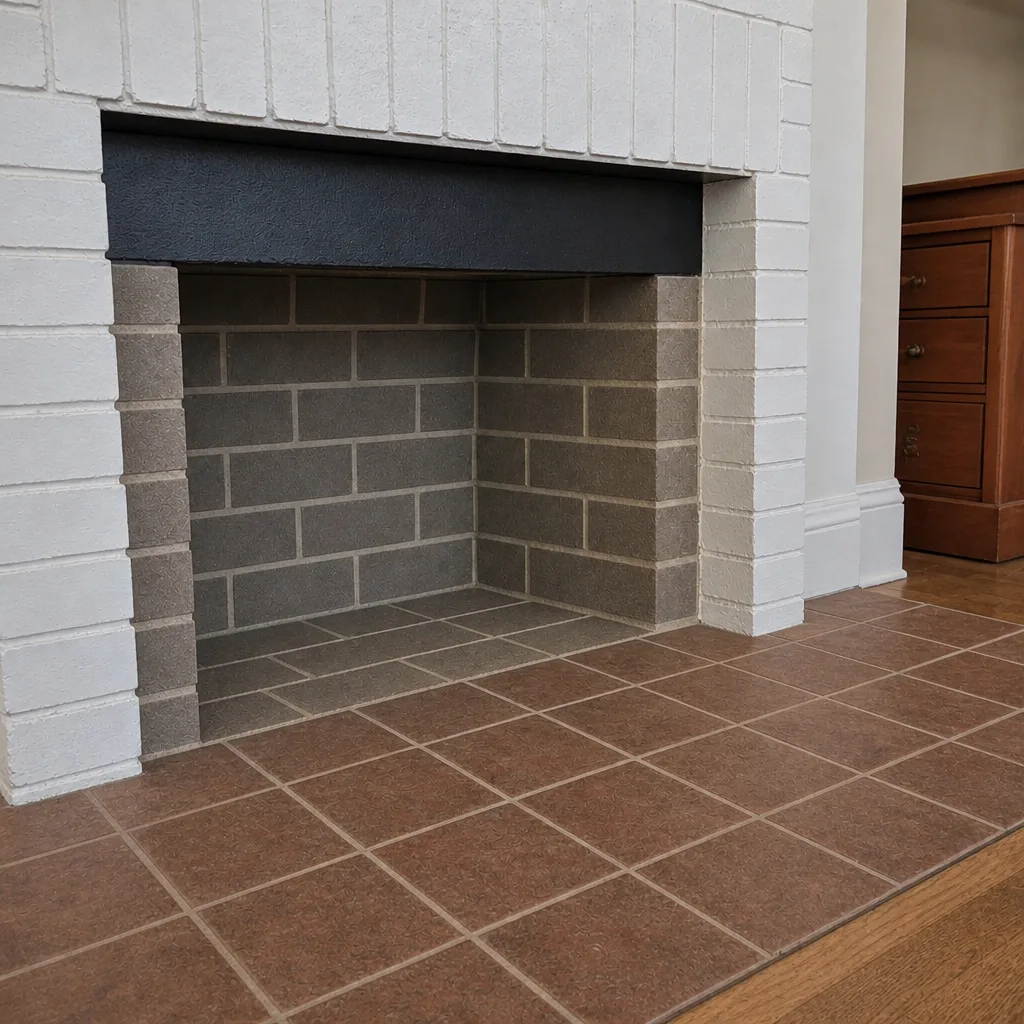
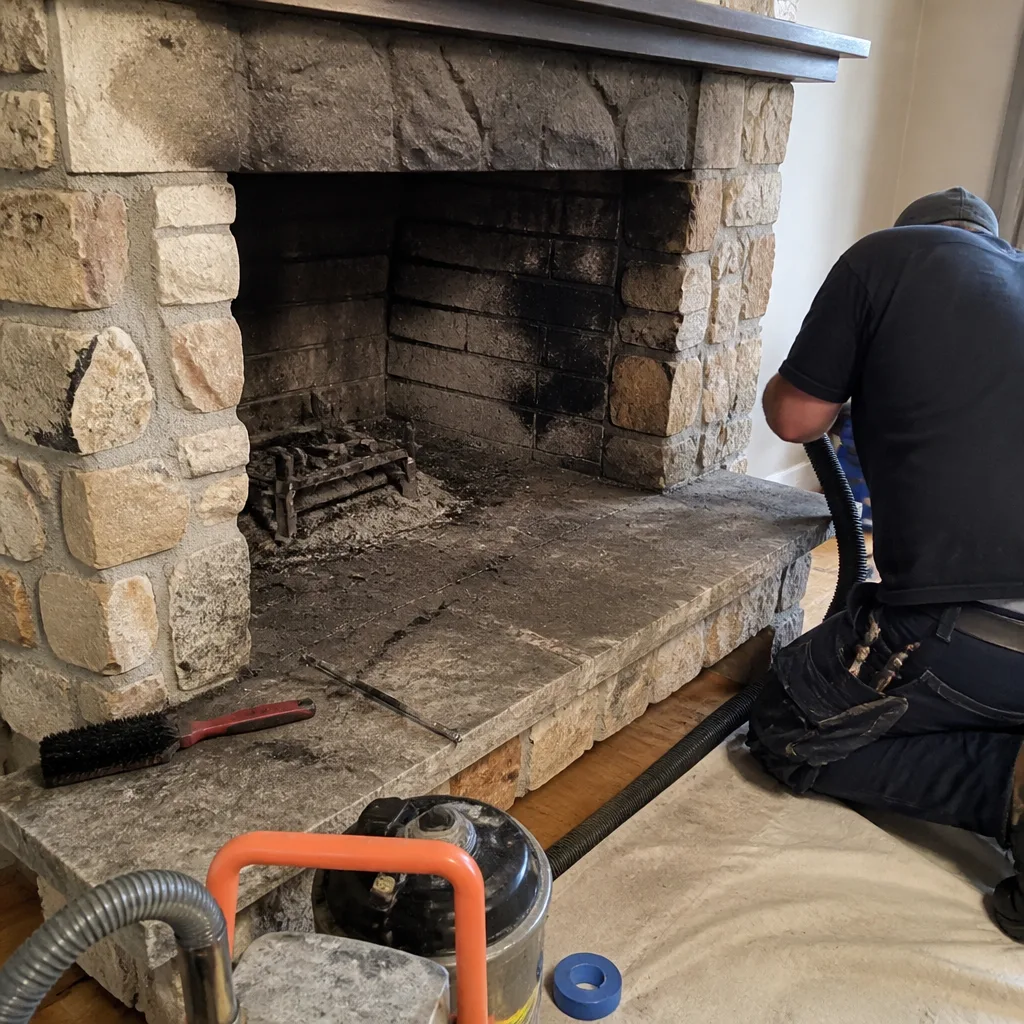
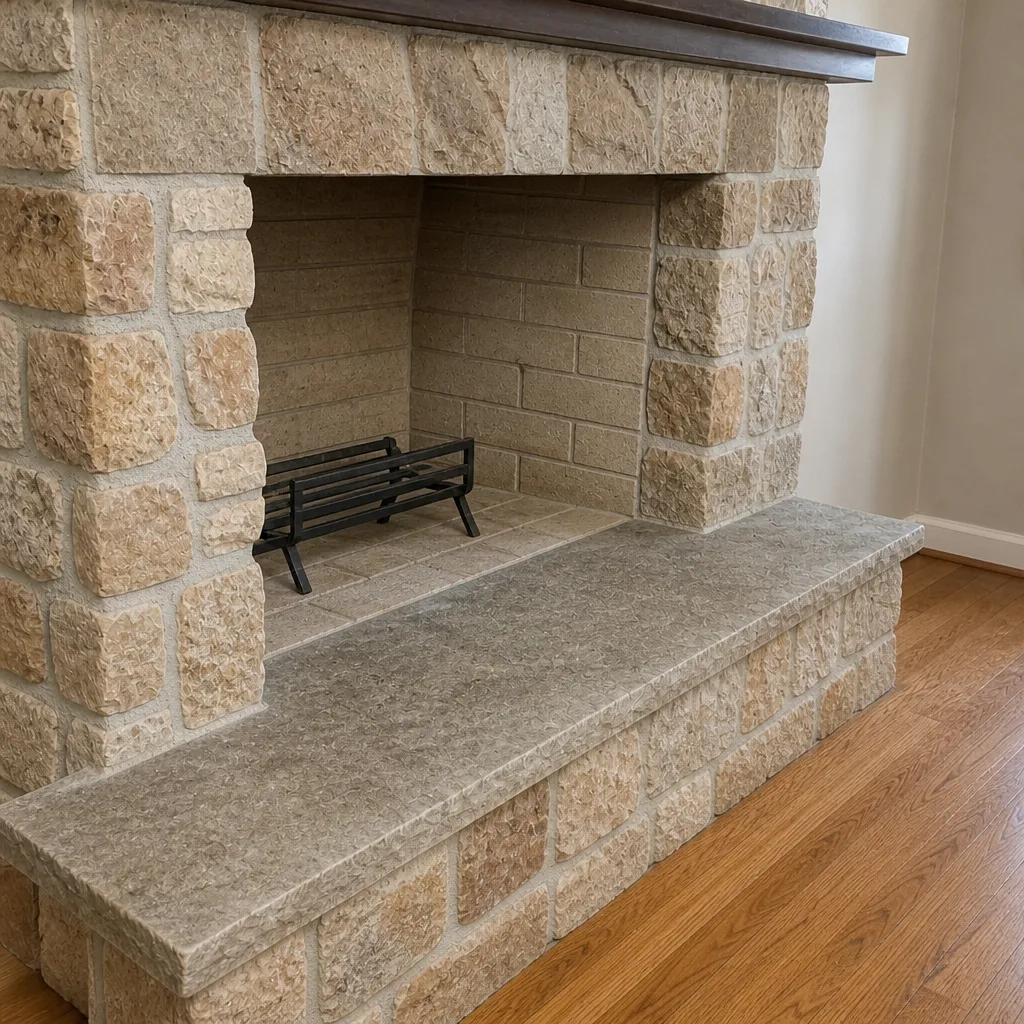
See the difference
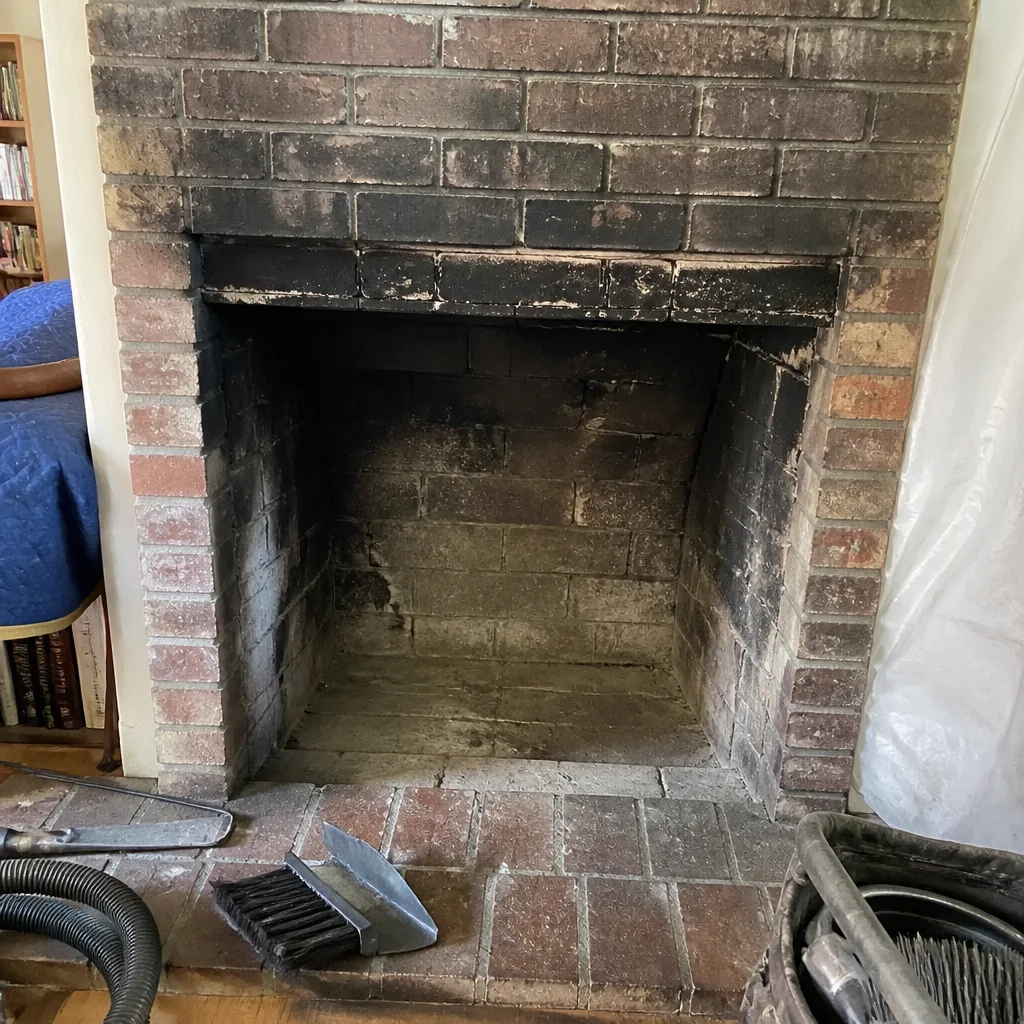 Before
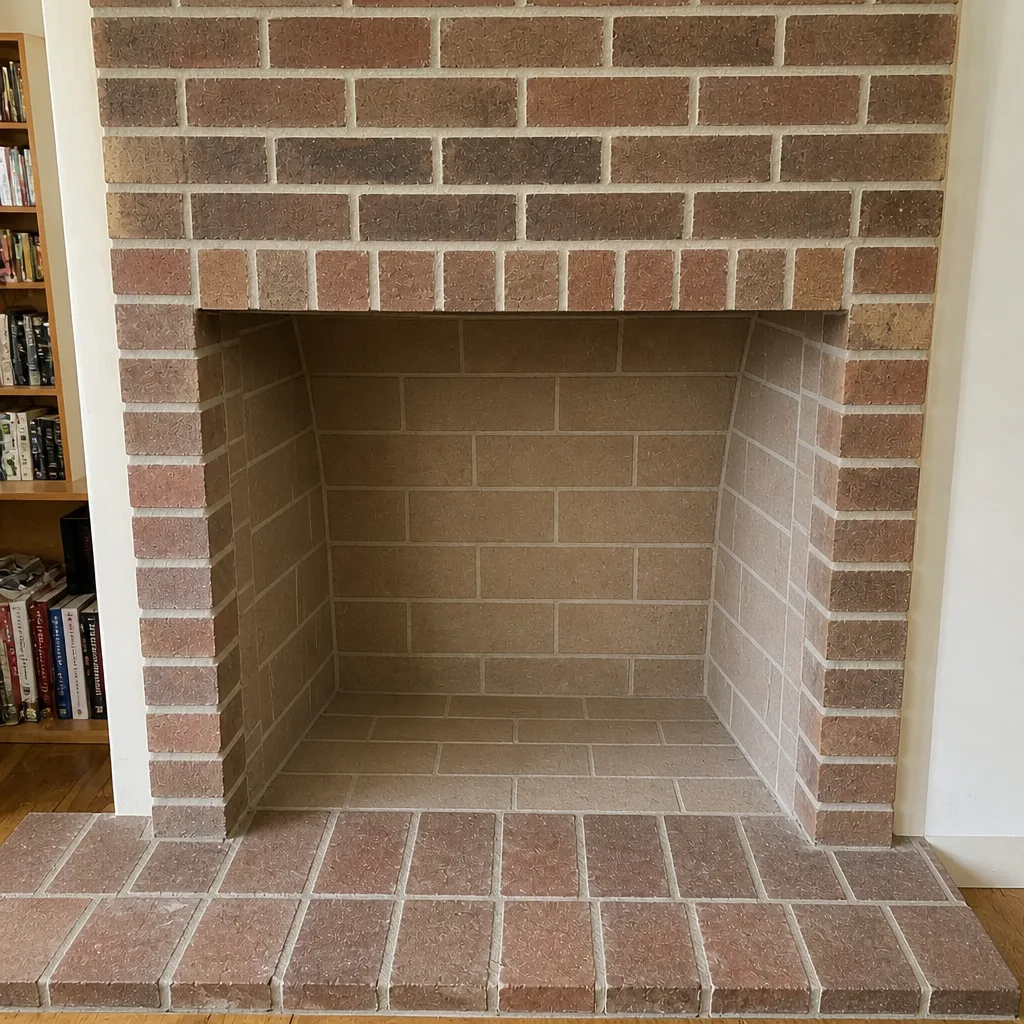 After
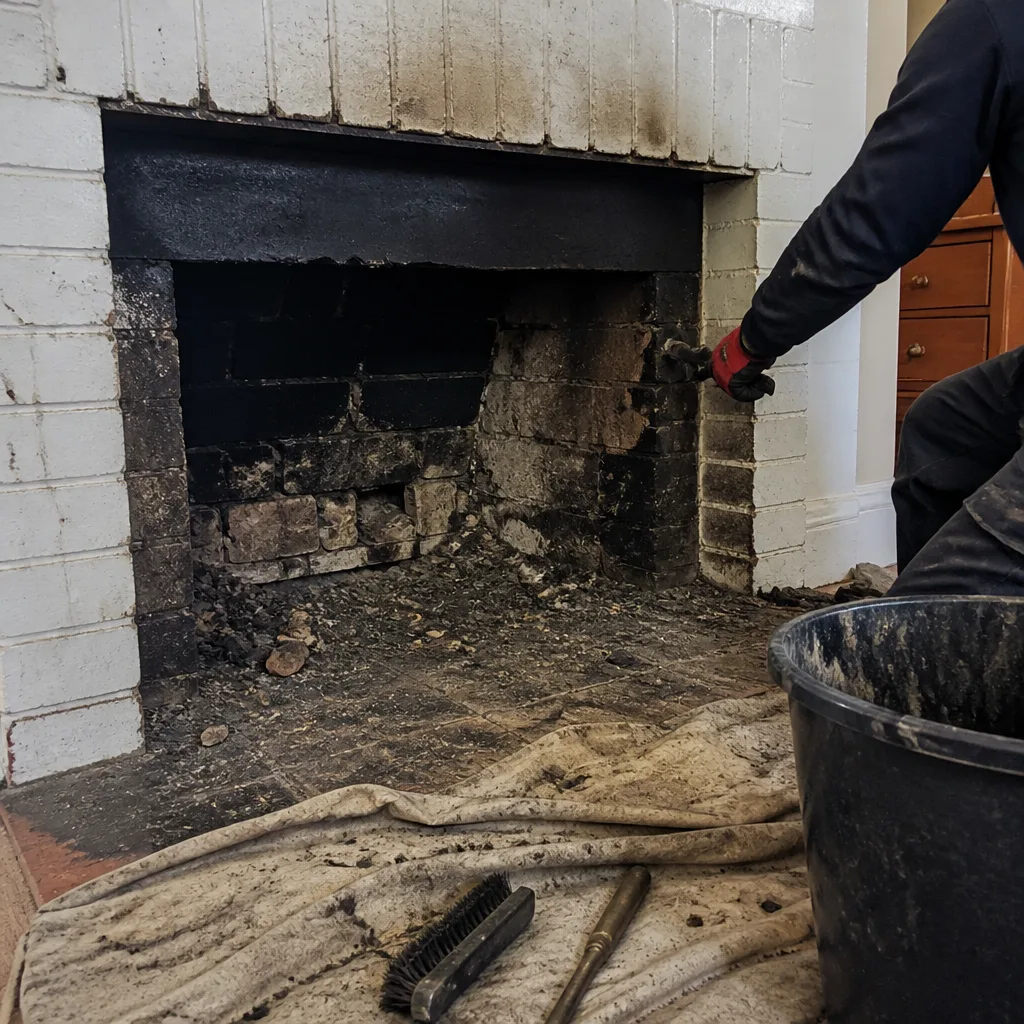 Before
 After
 Before
 After
When to Call a Professional
Call a professional if the season’s tasks land outside your comfort zone, if the firebox or flue shows any new cracking, if smoke backs into the room, if water is getting into the chimney area, or if you notice carbon monoxide symptoms when a fire is burning. A professional visit is also the right move if you’re not sure whether an issue is a safety concern or a maintenance item, because the answer depends on what the system looks like from the roof down. The whole point of a seasonal approach is that the expert eye sees what you can’t, from the firebox to the crown. Chimney Sweep West Seattle offers free estimates in West Seattle. Call (877) 447-9894. We answer 24/7. Fast dispatch from 7am to 7pm, Sunday through Friday.
Frequently Asked Questions
Once a year for most wood-burning fireplaces, and more often if you burn frequently or see significant soot and creosote buildup. The sweep is the annual anchor. The seasonal checks between sweeps are what keep the system in shape. If your fireplace gets heavy use, ask for an assessment to see whether your burn rate calls for more frequent cleaning. Call (877) 447-9894 for an exact quote. Estimates are free.
Spring is when moisture damage from the winter’s freeze-thaw cycle is still fresh and visible, so repairs are simpler and cheaper. A small crack caught in April can be a small fix. The same crack left through a summer of water intrusion can turn into a crown rebuild or a masonry repair by fall. The spring window is the repair-first season in this climate.
Book the annual sweep, confirm the flue is unobstructed, check the cap and crown, inspect the firebox and damper, review the liner, and address any draft issues before the first fire. The checklist complements the sweep. It doesn’t replace it. Call (877) 447-9894 to schedule before the fall rush, and estimates are free.
Call when the issue involves an active safety risk, including smoke backing into the room, carbon monoxide symptoms, a blocked flue, active water intrusion, a new crack in the firebox or flue, or evidence of a chimney fire. Document and wait for the next scheduled visit when the issue is cosmetic, slow-developing, or a nuisance rather than a hazard. When in doubt, treat it as a call.
You can safely check the firebox, damper and cap from inside the home, and note what you see. Cleaning the flue and evaluating a liner or crown requires training, proper equipment and roof access, and the same work on gas or oil systems can involve carbon monoxide risk. The safer approach is to leave the flue cleaning and inspection to a professional and act as the observer between visits. Call (877) 447-9894 for a free estimate.
Creosote builds up in the flue with every fire, and once it reaches a certain thickness it can ignite, which is a chimney fire. A neglected flue also restricts the draft and increases carbon monoxide risk. The annual sweep is the baseline safety measure. Skipping it doesn’t just risk the flue, it risks the house. Book the sweep before the fall rush. Call (877) 447-9894 and estimates are free.
The Bottom Line
Seasonal chimney care in West Seattle is a calendar, not a checklist item. Spring is the most important inspection window in this climate, because that’s when winter moisture damage is cheapest to fix. Summer is the dry season for cap, crown and animal checks, which is when the products cure best. Fall is for the pre-season checklist and the annual sweep, and winter is for reading the system under load. The small seasonal interventions between sweeps are what keep the large repairs from happening. A single-trade specialist with the right professional-grade materials and an inspection-first process is the right partner for that cycle. Reach out at (877) 447-9894 for a free estimate. We answer 24/7. Fast dispatch from 7am to 7pm, Sunday through Friday.
To see the full range of work a chimney specialist handles, start with Chimney Sweep West Seattle. The seasonal rhythm above is the foundation, and it fits neatly around a standard annual visit.
Written by the team at Chimney Sweep West Seattle.